
Approved assembly definition
Drawing, model, sample and revision status
ROCKVANTA reviews steel fabrications and custom welded assemblies from current drawings, samples or project specifications. A useful quotation covers the material, joint requirements, datums, functional interfaces, post-weld work, inspection records and delivery scope.
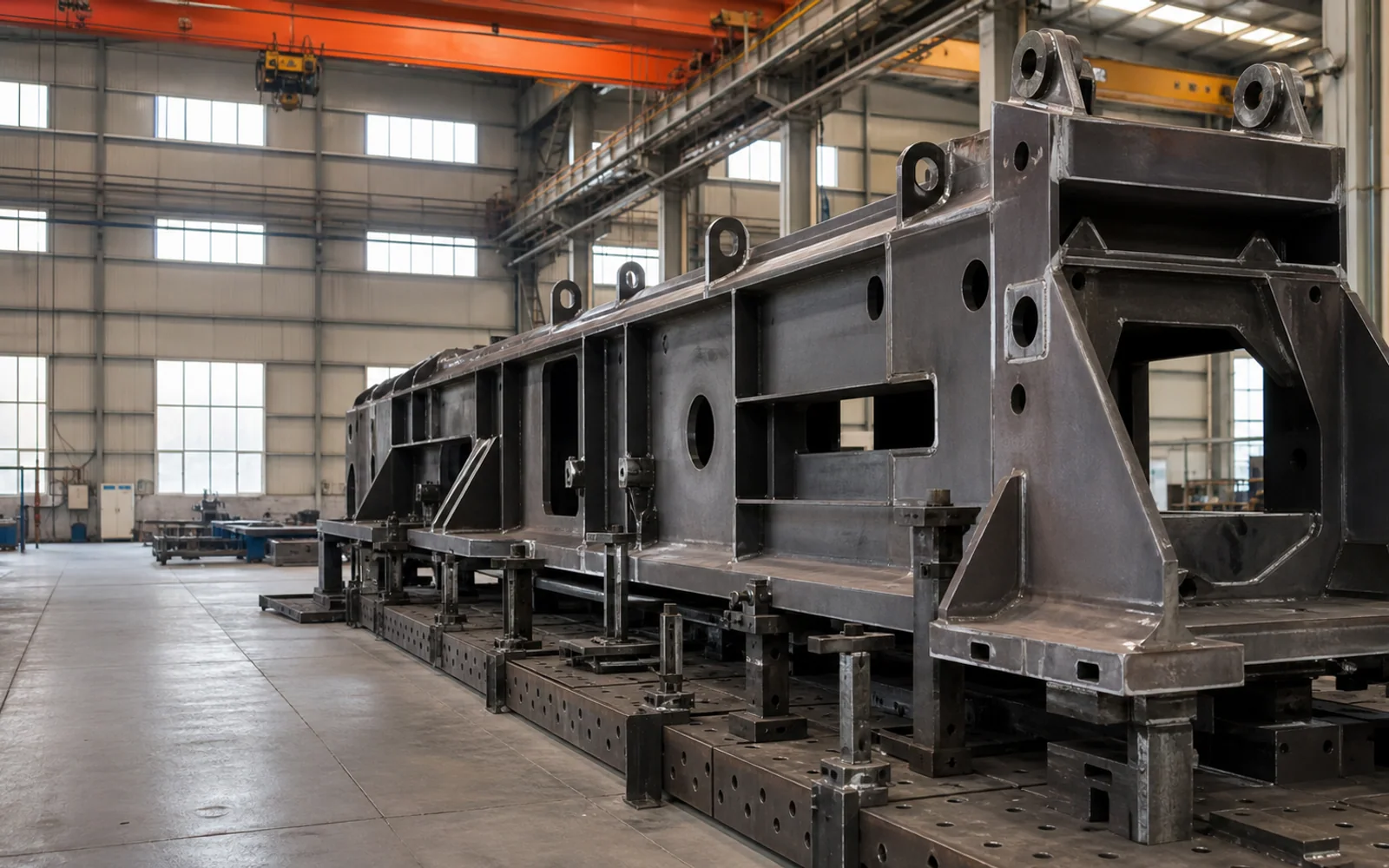
Drawing, model, sample and revision status
Grade, thickness, profiles and supplied condition
Mating faces, hole patterns, pads and locating features
Joint requirements, inspection and required records
Quantity, finish, packing, destination and timing inputs
The assembly shape and required interfaces determine the fabrication plan. ROCKVANTA reviews the drawing, material, joints, access, restraint and inspection requirements for the quoted assembly.
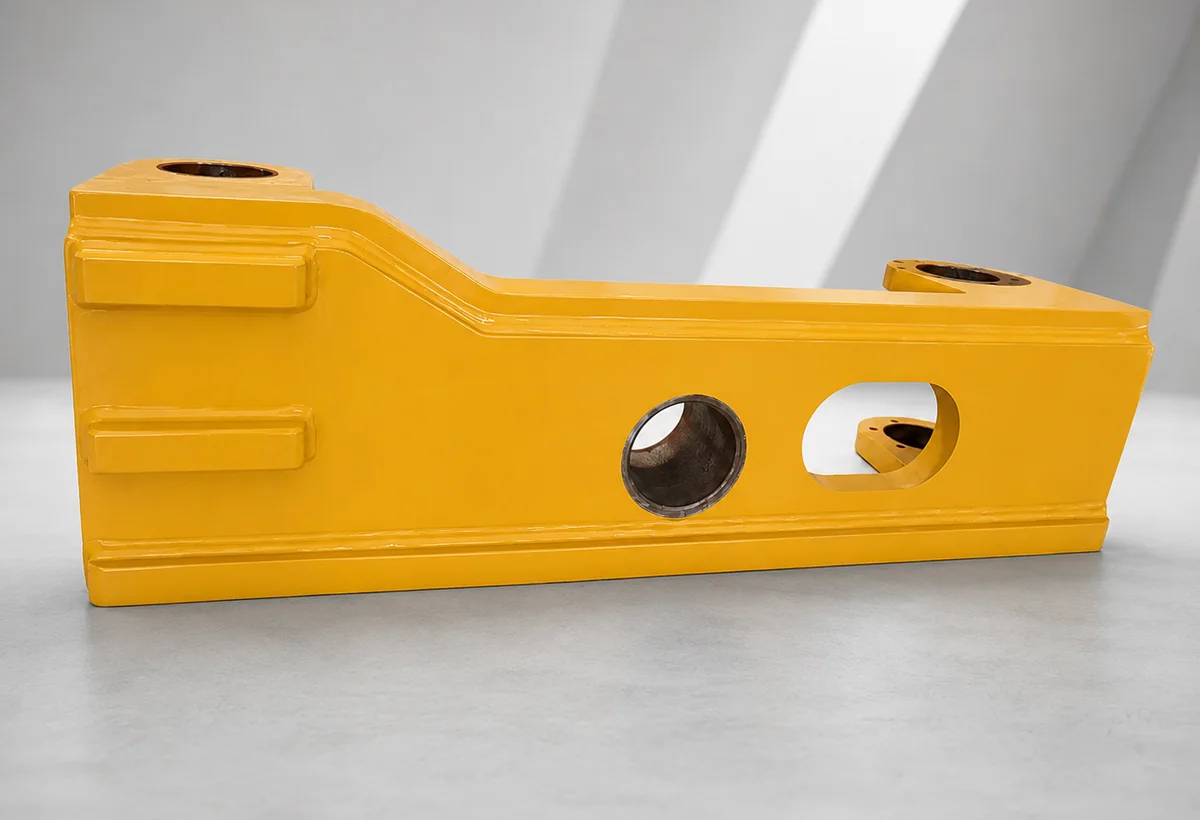
For drawing-defined frames, bases, brackets and load-carrying fabrications. Send the joint details, interface dimensions, load or service notes, machining allowances and any required hold points.
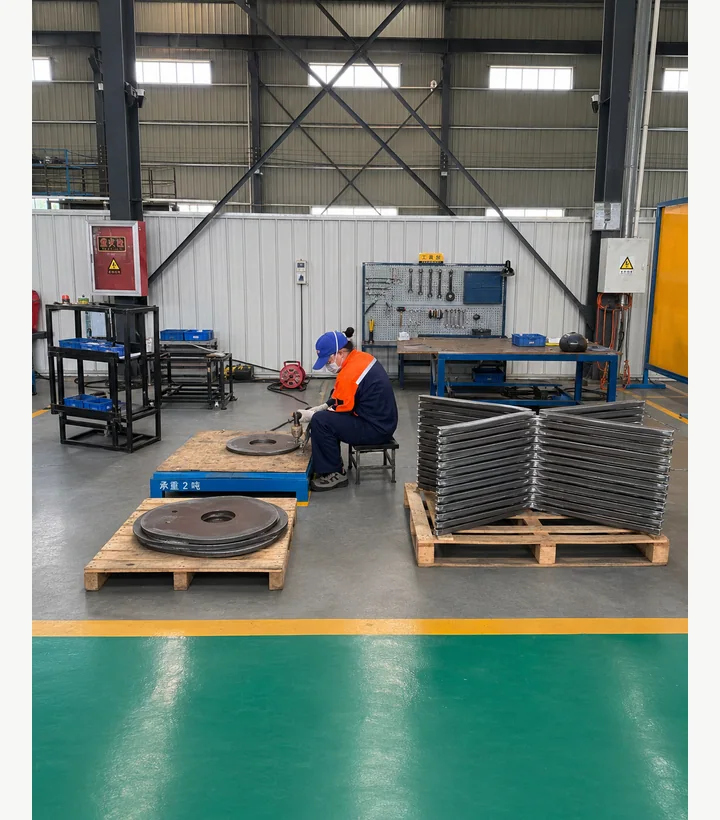
For cut, blanked, drilled, bent and assembled parts where bend references, hole-to-bend relationships, edge conditions, surface requirements and assembly sequence affect fit.
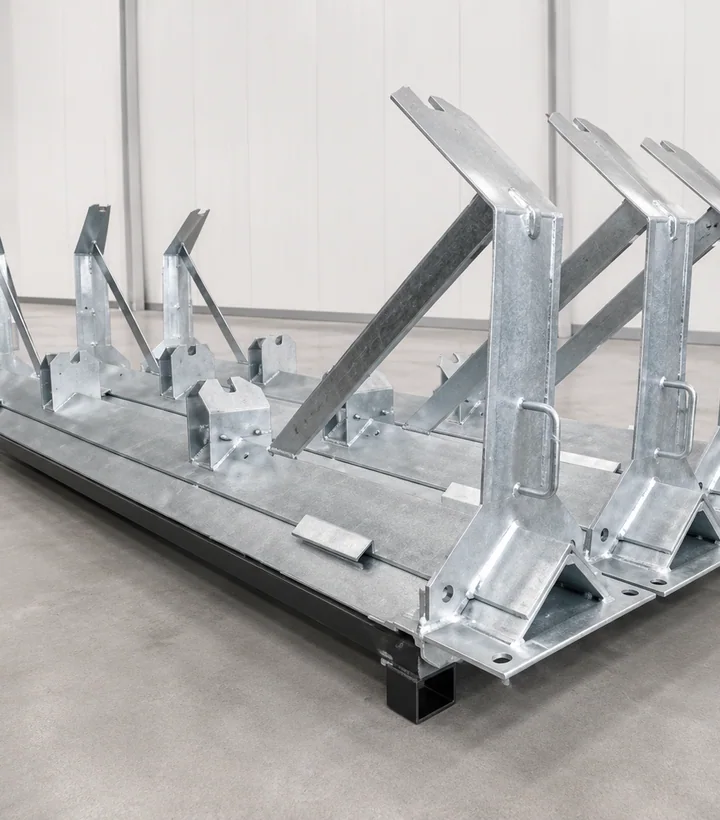
For frames, supports and brackets tied to an equipment or site interface. Define mounting points, loads, access, finish, documentation and the parts supplied by others.
Send the assembly drawing, materials, weld details and inspection requirements. We review cutting, forming, joining and handling together so the quotation covers the complete fabricated assembly.
The assembly plan confirms the applicable material, joint, welding procedure, workpiece weight and lifting arrangement.
View welding certificates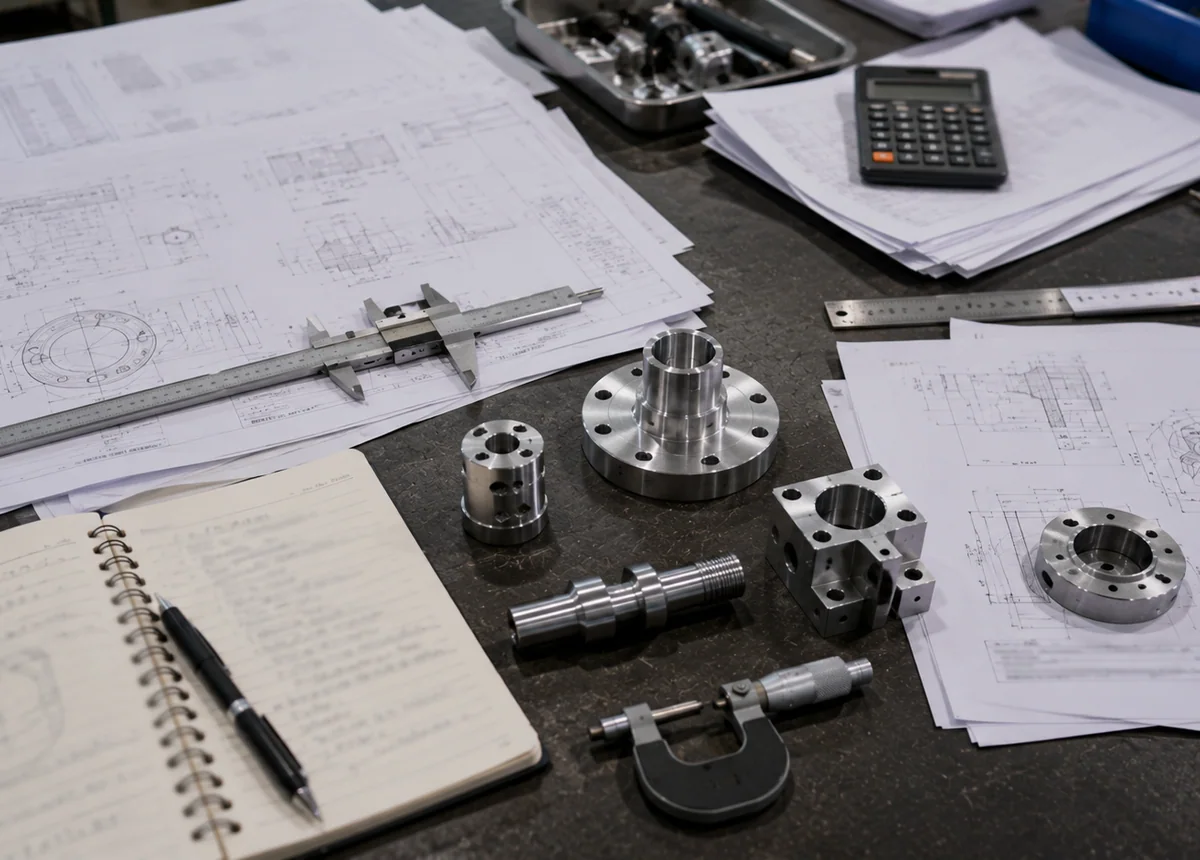
Overall dimensions alone do not control a welded assembly. Functional datums, mating faces, hole patterns, machined pads, joint access and the sequence of downstream operations determine how the work should be held and checked.
Identify the faces, bores, pads, brackets and hole patterns that locate or connect the assembly.
State the grades, thicknesses, profiles, joint details and any customer-specified welding requirements.
Flag the relationships that need a fixture, temporary bracing, intermediate checks or a planned welding sequence.
Identify machining, heat treatment, surface finishing, assembly, identification and packing that must be included with the fabrication scope.
Welding method, qualification records, achievable tolerance and inspection method are confirmed against the specific project definition and proposed production plan.
The production plan must protect critical interfaces from material preparation through final release. Individual operations are included only where the drawing and quoted scope require them.
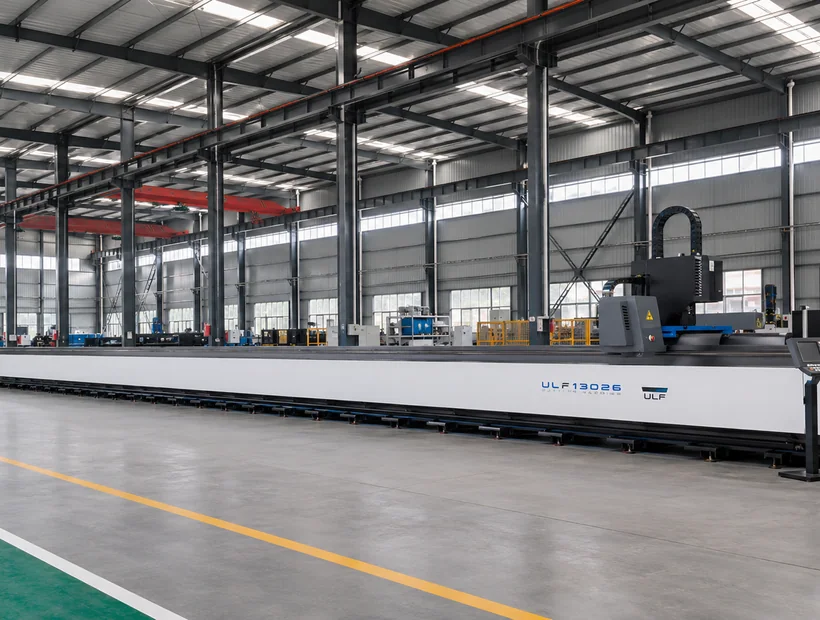
Plate, sections and blanks are prepared against the approved definition. Edge condition, stock allowance, hole preparation, identification and the next operation should be clear before release.
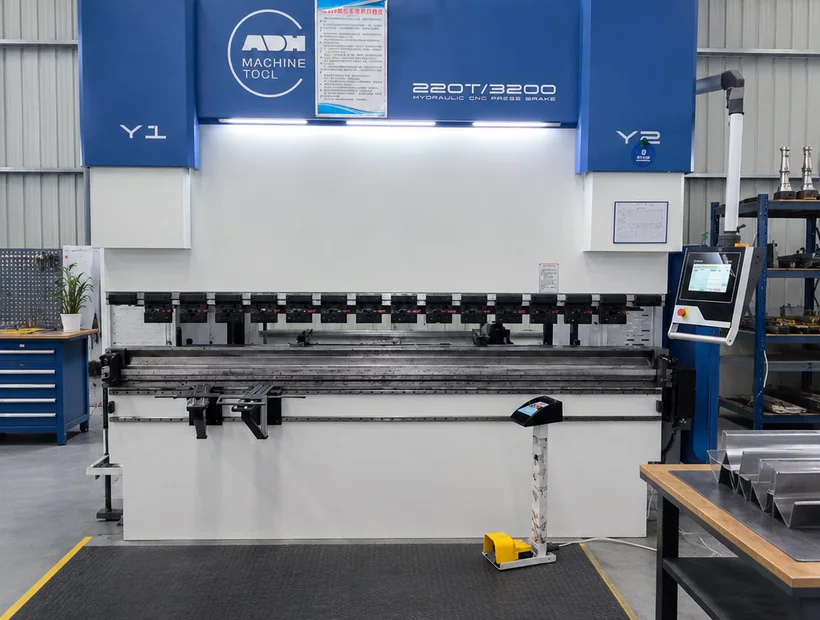
Bend references, formed geometry, fit-up gaps, datum stops and temporary restraints are reviewed before welding. The setup must leave access for the required joints and later inspection.
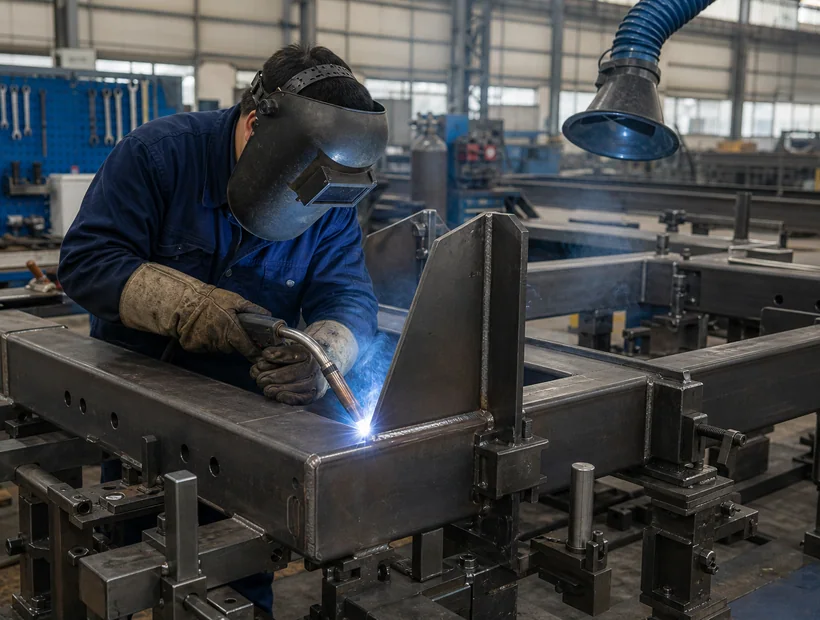
Joint sequence, access, restraint and intermediate checks are planned around the assembly. The quotation records the required instructions and documents for the project.
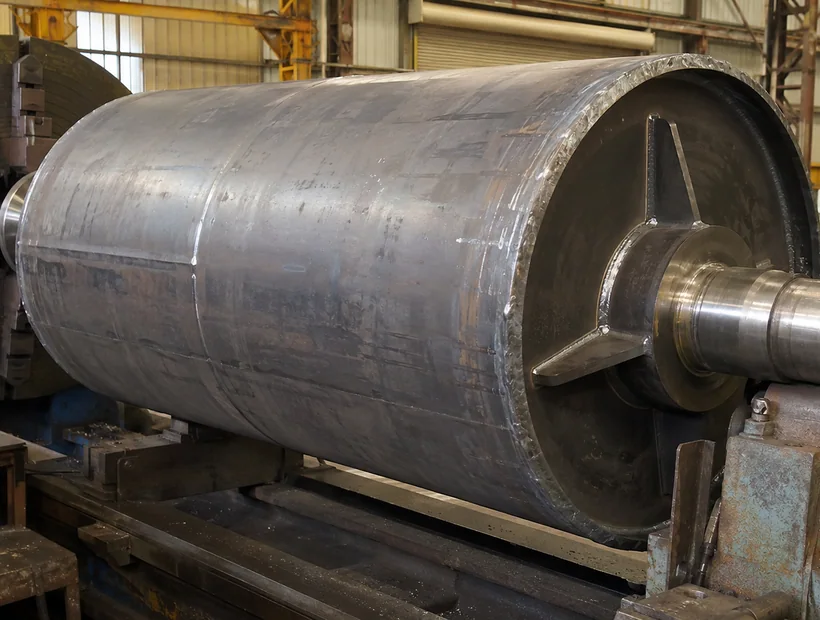
Machined pads, bores, shafts or other interfaces may be completed after fabrication where the drawing requires them. Machining allowance, datum transfer and final inspection remain tied to the assembly definition.
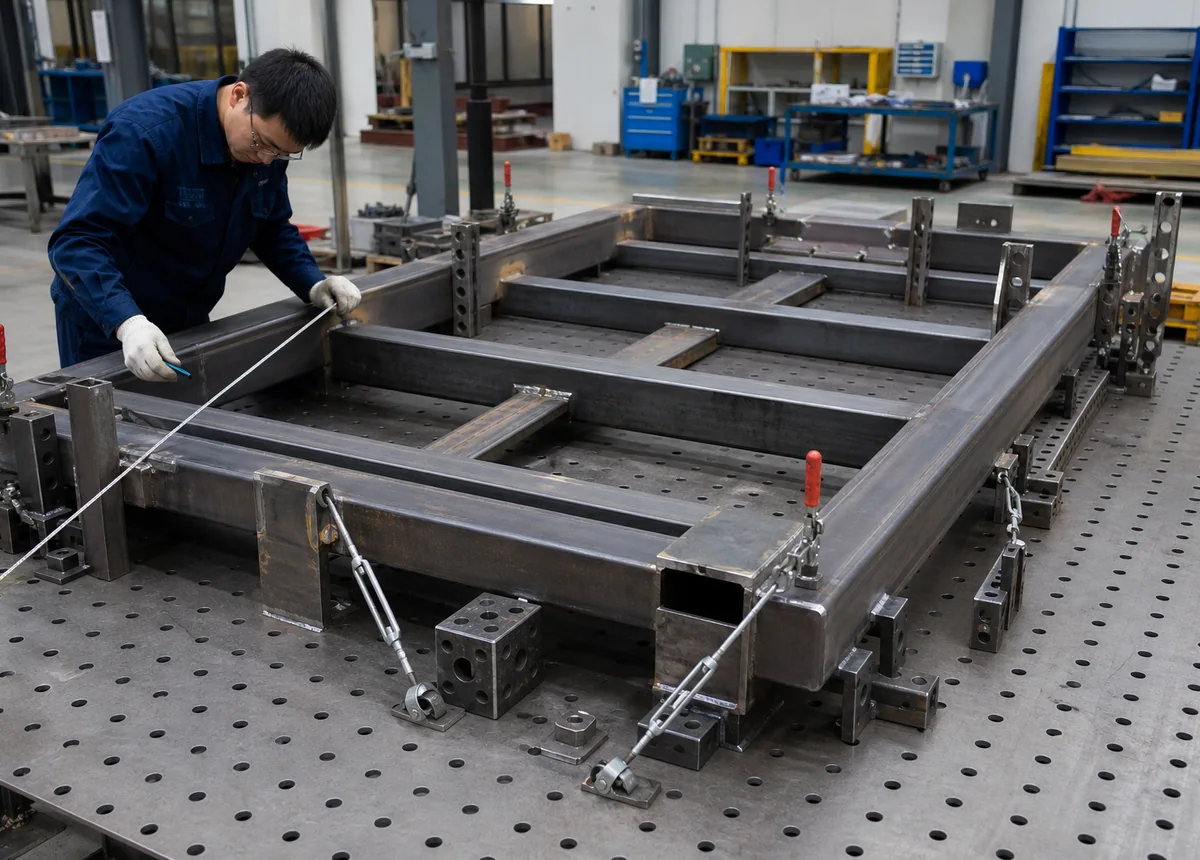
Heat and restraint can move a welded assembly. The review therefore looks at where the frame is located, how it is clamped, which relationships need intermediate checks and whether machining or correction is planned after welding.
Process review may identify open manufacturing points. It does not change the customer-approved drawing or specification without authorization.
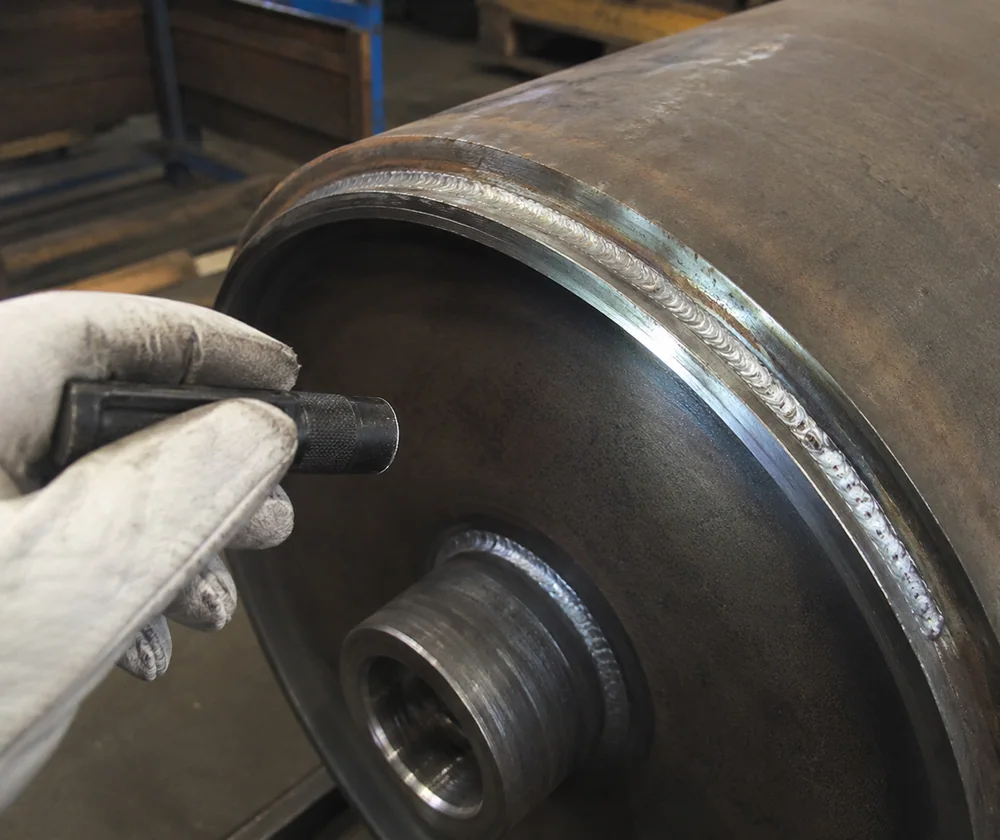
Inspection should cover the features that affect installation, mating equipment and service. Depending on the drawing and quoted work, the plan may include dimensional inspection, visual weld checks, hardness testing, NDT or requested in-process and final records where applicable.
Agree the datum relationships, mating features and recorded results required for release.
Identify certificates, welding records, treatment records or surface records required for the order.
Decide what must be checked before a joint is closed, a restraint is removed or the assembly moves to another operation.
Connect inspection records, identification, assembly status and packing to the quoted deliverable.
If required, the buyer may arrange an inspector, nominate an inspection body or ask ROCKVANTA to coordinate with a suitable provider. Timing, scope and cost must be agreed before the order or shipment. Inspection, reinspection and report fees are buyer-paid.
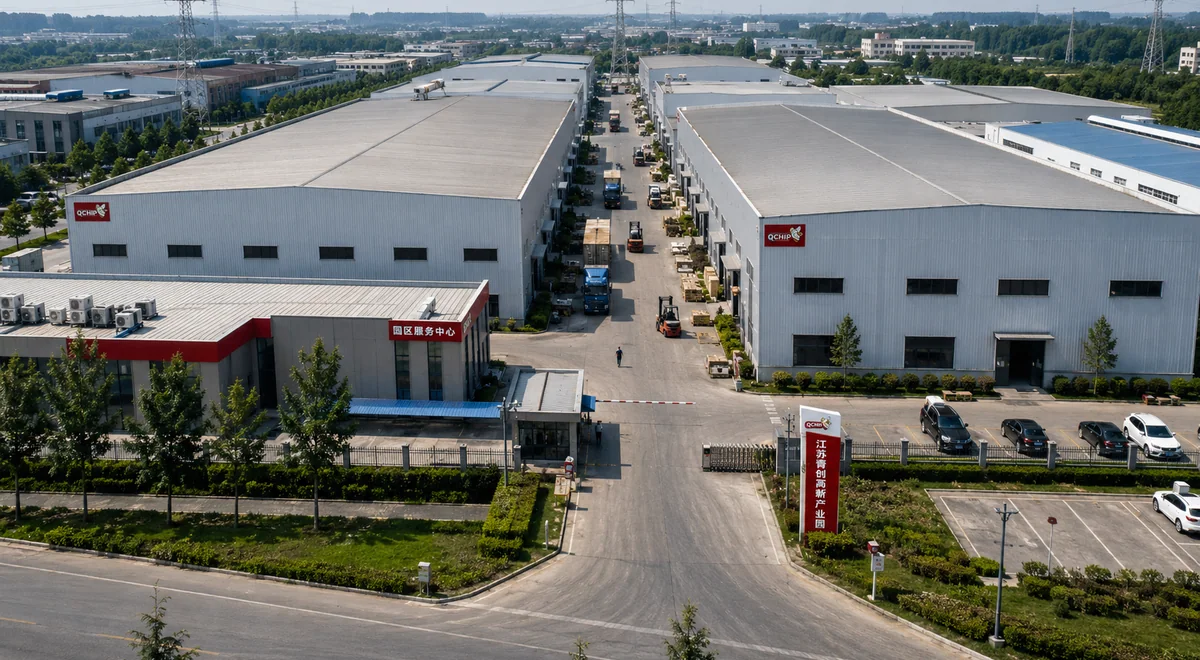
ROCKVANTA owns and operates five specialized manufacturing bases. Our team reviews the drawing, material, fabrication, inspection and project requirements, assigns the relevant base and coordinates any supporting work.
Equipment, qualifications, production scope, available capacity and timing are confirmed for the specific RFQ.
How We Select a Manufacturing BaseReview the approved assembly definition.
Assign the relevant fabrication base and supporting processes.
Coordinate inspection, documentation and downstream operations.
Confirm assembly, protection and export packing requirements.
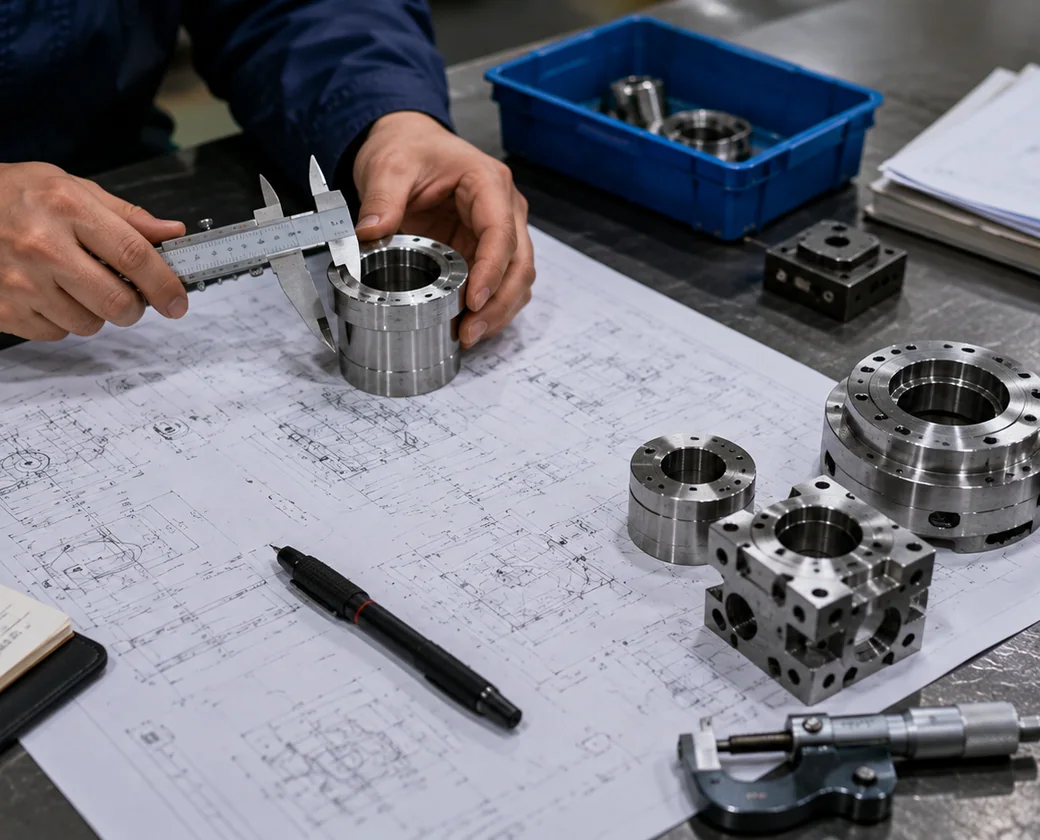
Send the assembly interfaces, loads, service conditions and current drawing or model. List any unconfirmed field as an open point for technical review.