
Support
Rollers, idlers and roller assemblies
Conveyor Components
ROCKVANTA supplies bulk material handling conveyor components against drawings, application inputs and project requirements. Start with the belt, duty and working position; then choose rollers and idlers, pulleys and drums, frames and structures, or a defined component and rebuild scope.
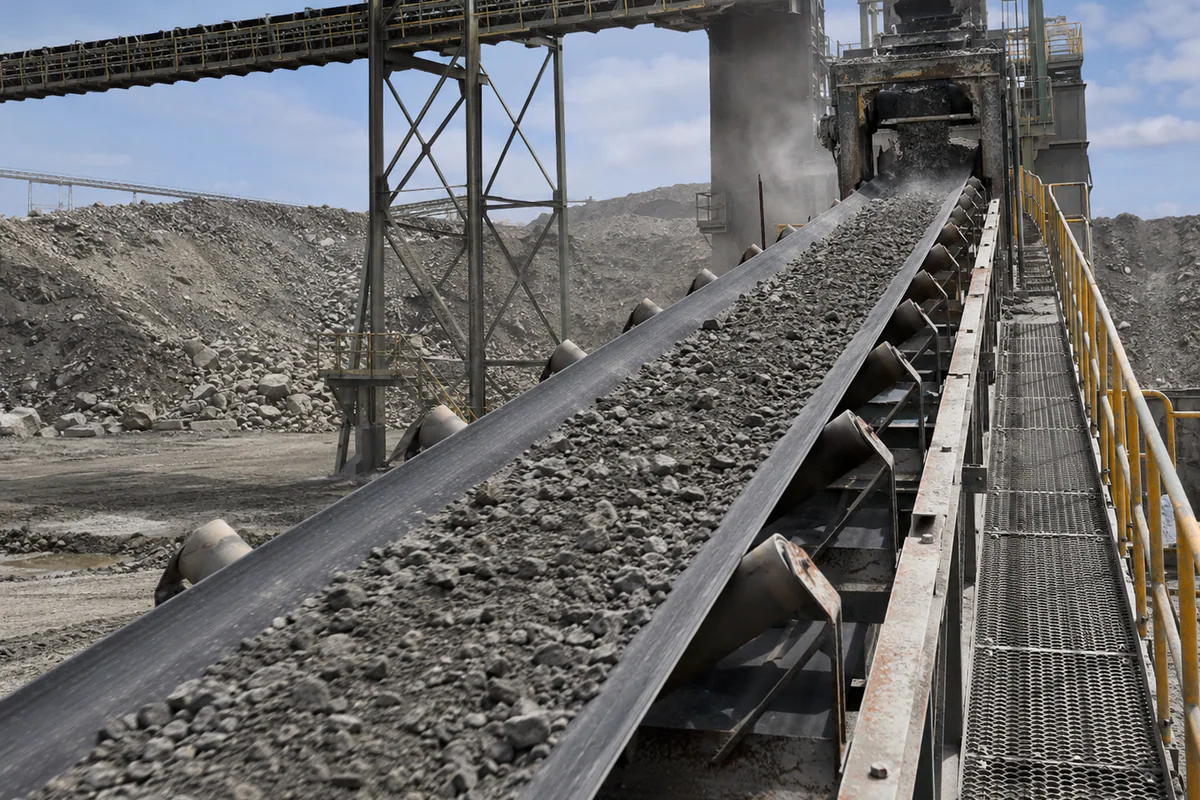
Rollers, idlers and roller assemblies
Pulleys, drums and lagging requirements
Frames, brackets and drawing-defined supports
Select the component’s job in the conveyor, then provide the drawing, interfaces and project conditions. ROCKVANTA uses those inputs to confirm the relevant part family, included supply scope and open technical points for the RFQ.
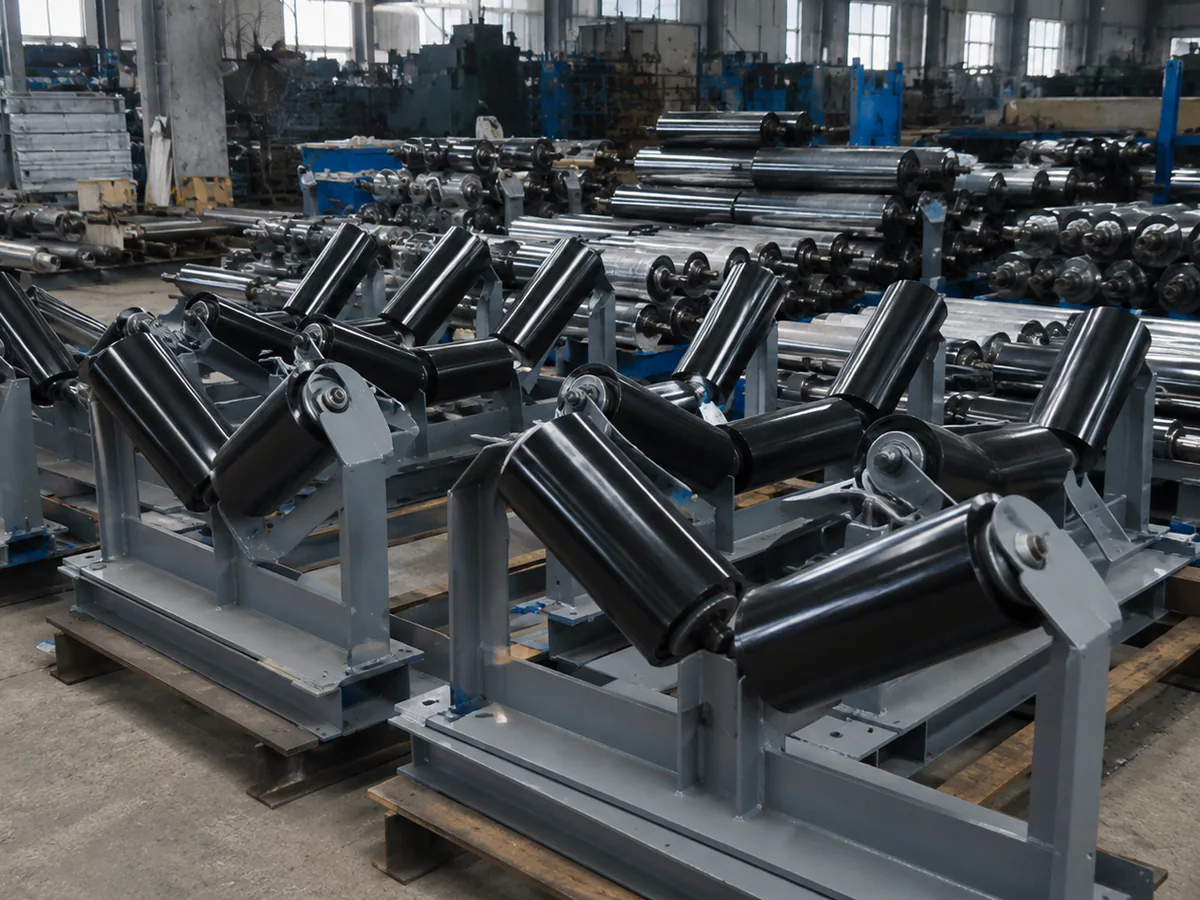
For troughing, impact, return and other belt-support positions. Define the idler arrangement, roller dimensions, shaft and mounting details, sealing or bearing requirements, and whether the enquiry covers complete assemblies or rebuild components.
View Rollers & IdlersConveyor idler types explained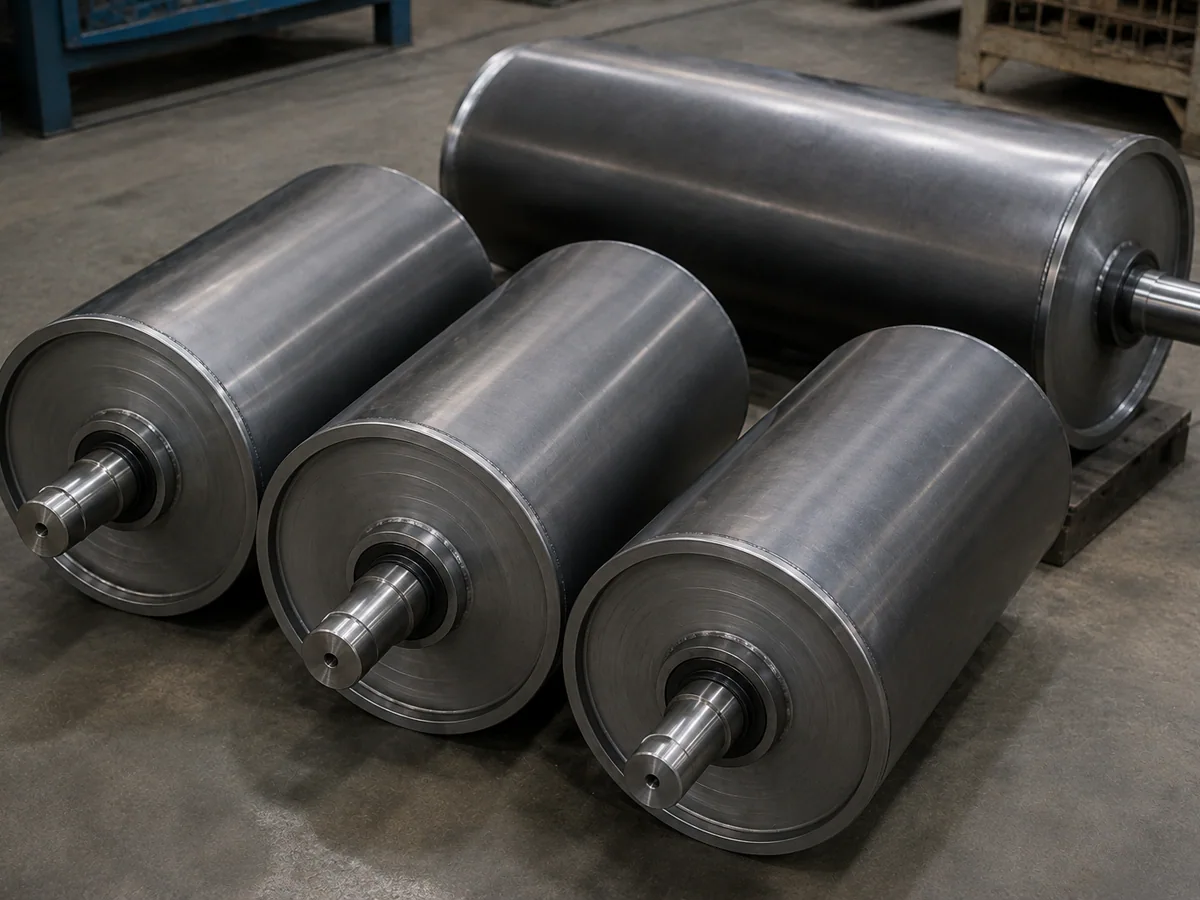
For drive, bend, tail and take-up positions. Provide the pulley function, belt width, shell and face dimensions, shaft and hub interfaces, lagging requirement, drawing and quantity.
View Pulleys & Drums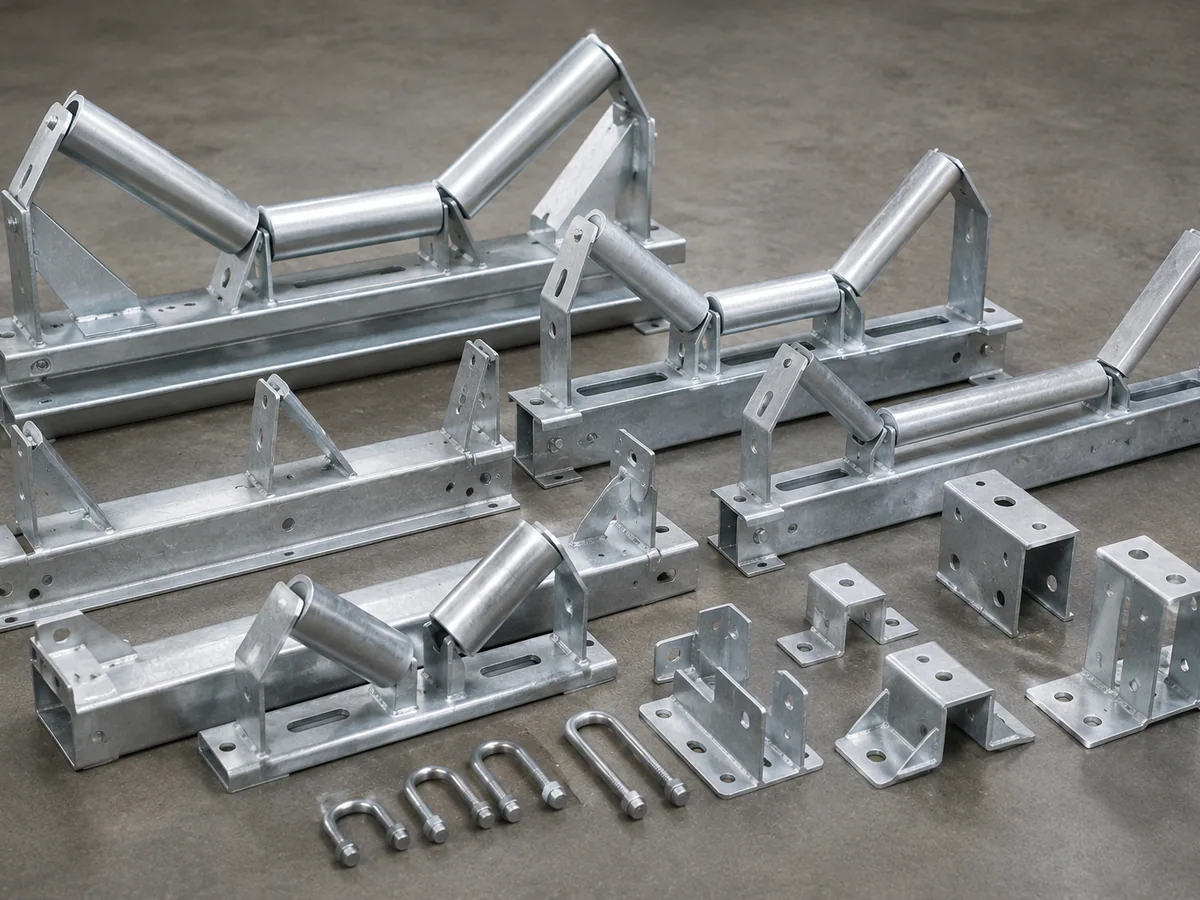
For idler frames, brackets and drawing-defined conveyor supports. Structural scope depends on the load, mounting points, interfaces, material, finish and the records required for the project.
View Frames & Structures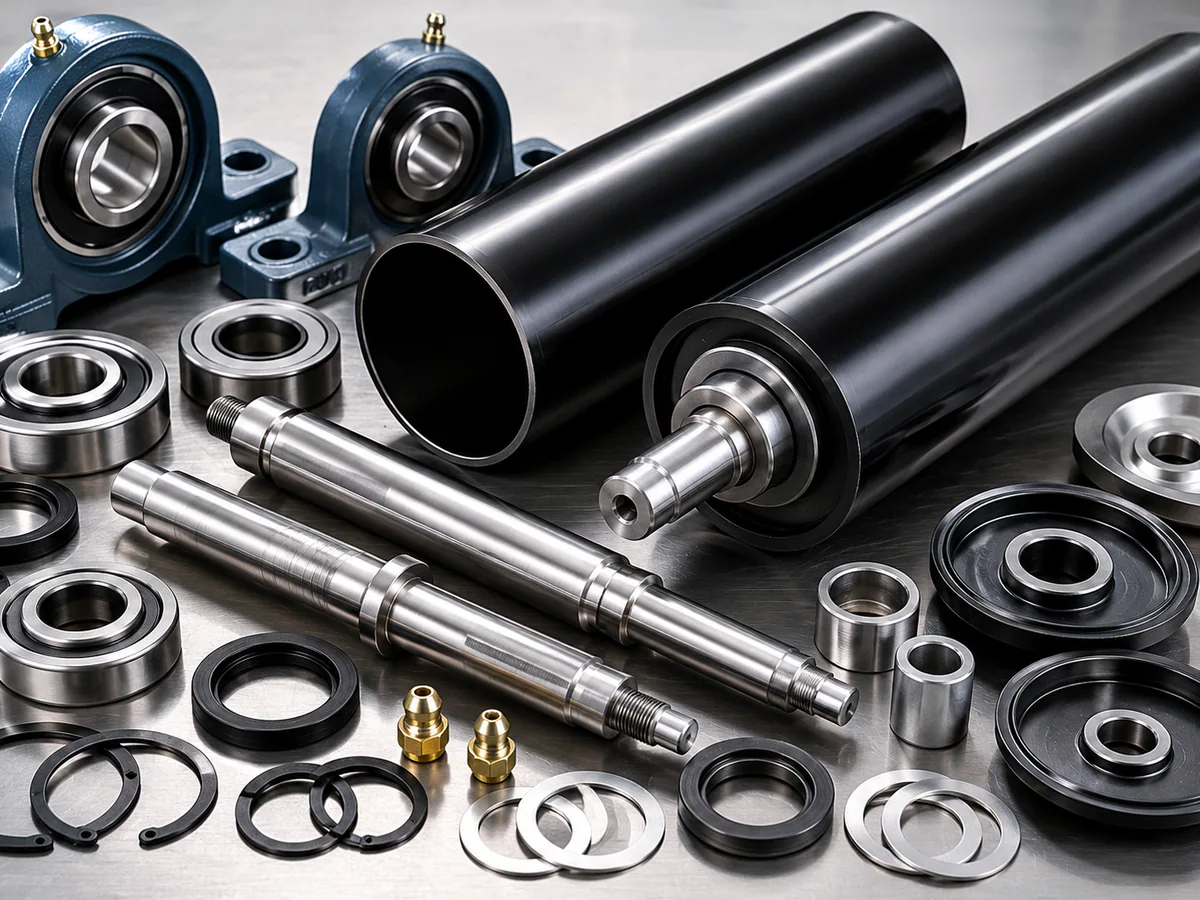
For shafts, bearing housings, end caps, seals and other defined roller or pulley rebuild components. Send the component drawing or sample and state whether ROCKVANTA is quoting an individual part, a matched set or a rebuild package.
Discuss a Rebuild ScopeUndercarriage rollers, standalone industrial bearings and warehouse gravity rollers are different product categories and are not covered on this page.
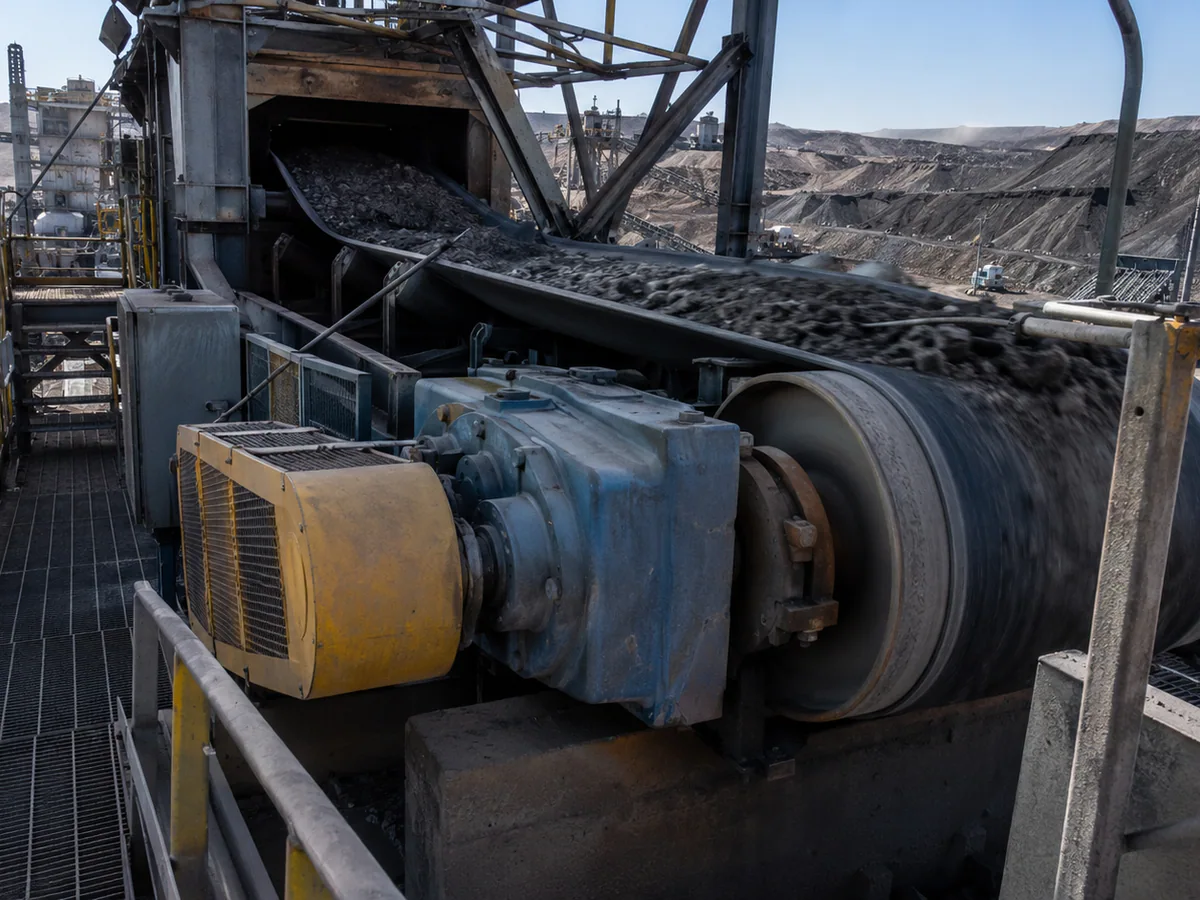
State where the part works, what it supports or drives, and the interfaces that must remain fixed. Separate confirmed requirements from open points.
Describe the bulk material, operating environment and loaded condition relevant to the component.
Identify whether the part supports the belt, absorbs impact, returns the belt, drives it, redirects it or carries a structural load.
Include belt width and the dimensions, shafts, mountings, centres or adjacent parts that control the fit.
Send the current drawing, approved sample, photographs, equipment reference or existing part information available.
Include quantity, project stage, destination, packing and the inspection or document requirements already known.
ROCKVANTA reviews the approved roller, pulley or structure definition and selects the applicable cutting, forming, welding, machining, surface and assembly steps.
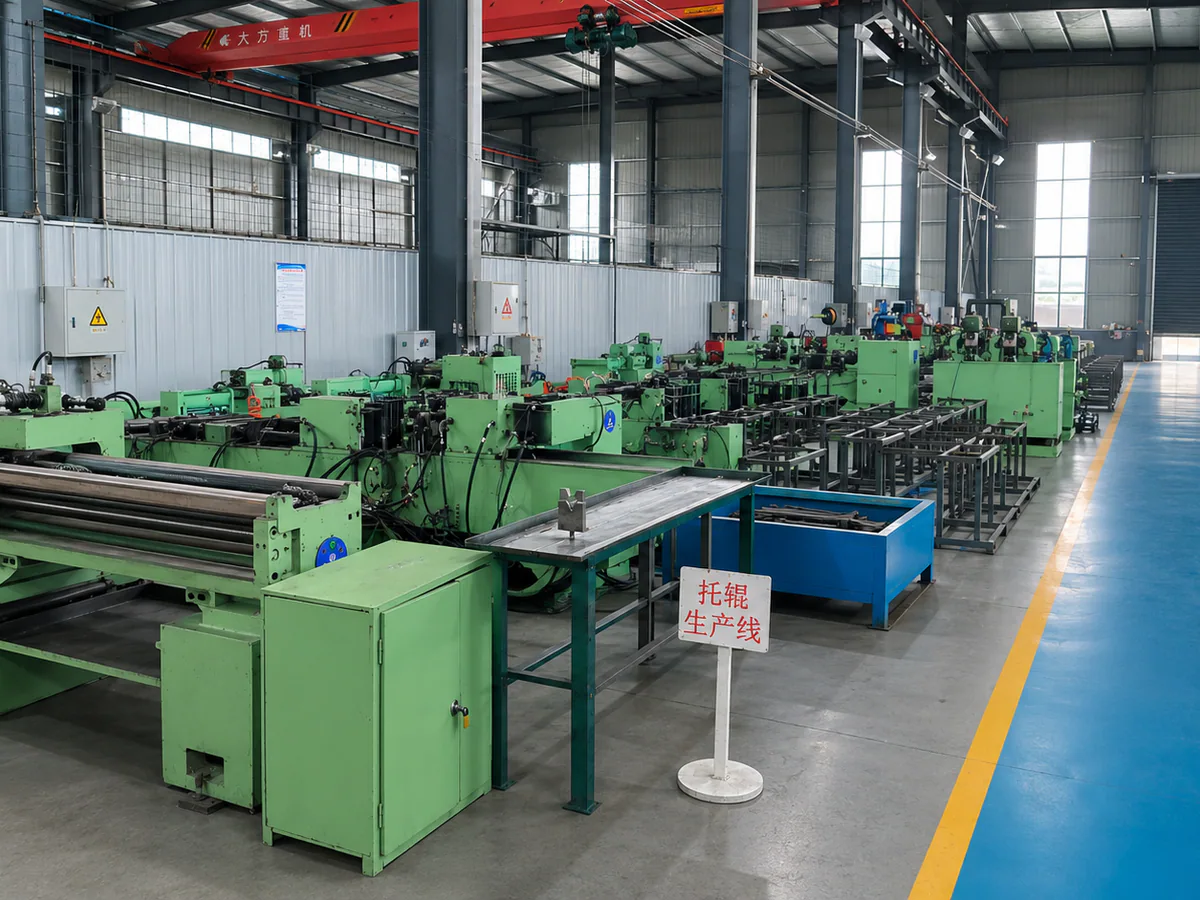
Tube, shaft, bearing housing, seal and assembly requirements are reviewed as one product definition. Process and acceptance points depend on the roller or idler being quoted.
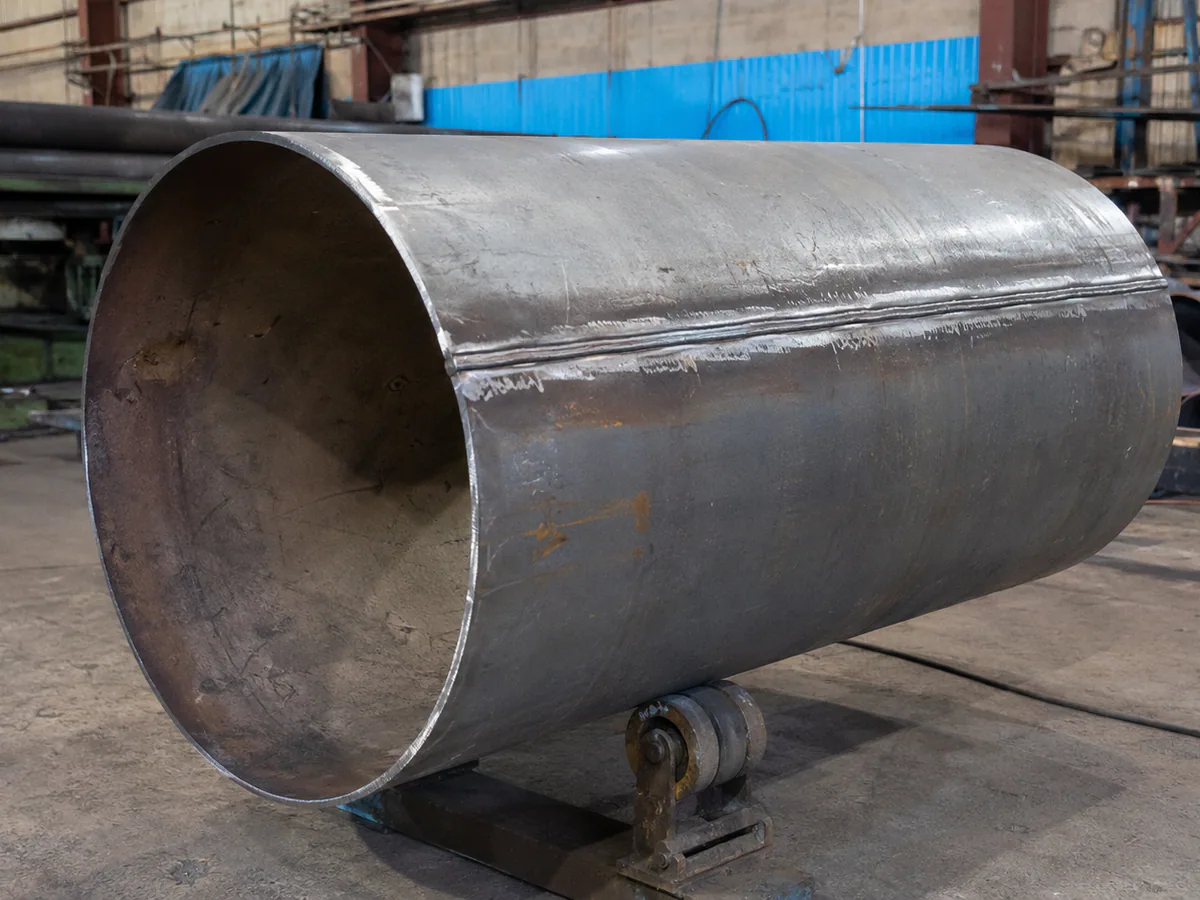
Shell, end disc, hub and shaft interfaces are reviewed before fabrication and machining. Lagging, surface preparation and balance or runout requirements are included only when specified for the project.
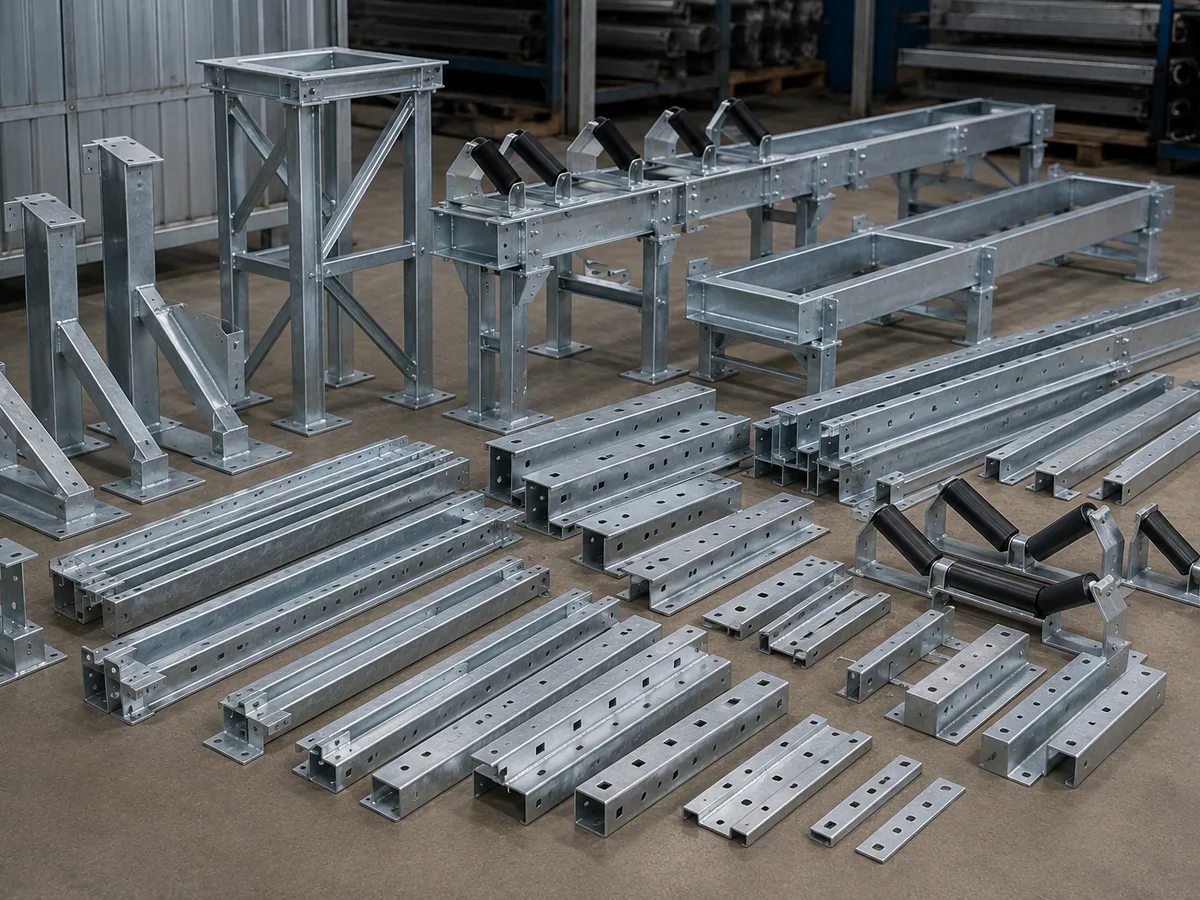
Idler frames, brackets and conveyor structures are manufactured to the approved drawing and project interfaces. Load assumptions, welding requirements, finish and documentation must be agreed before production.
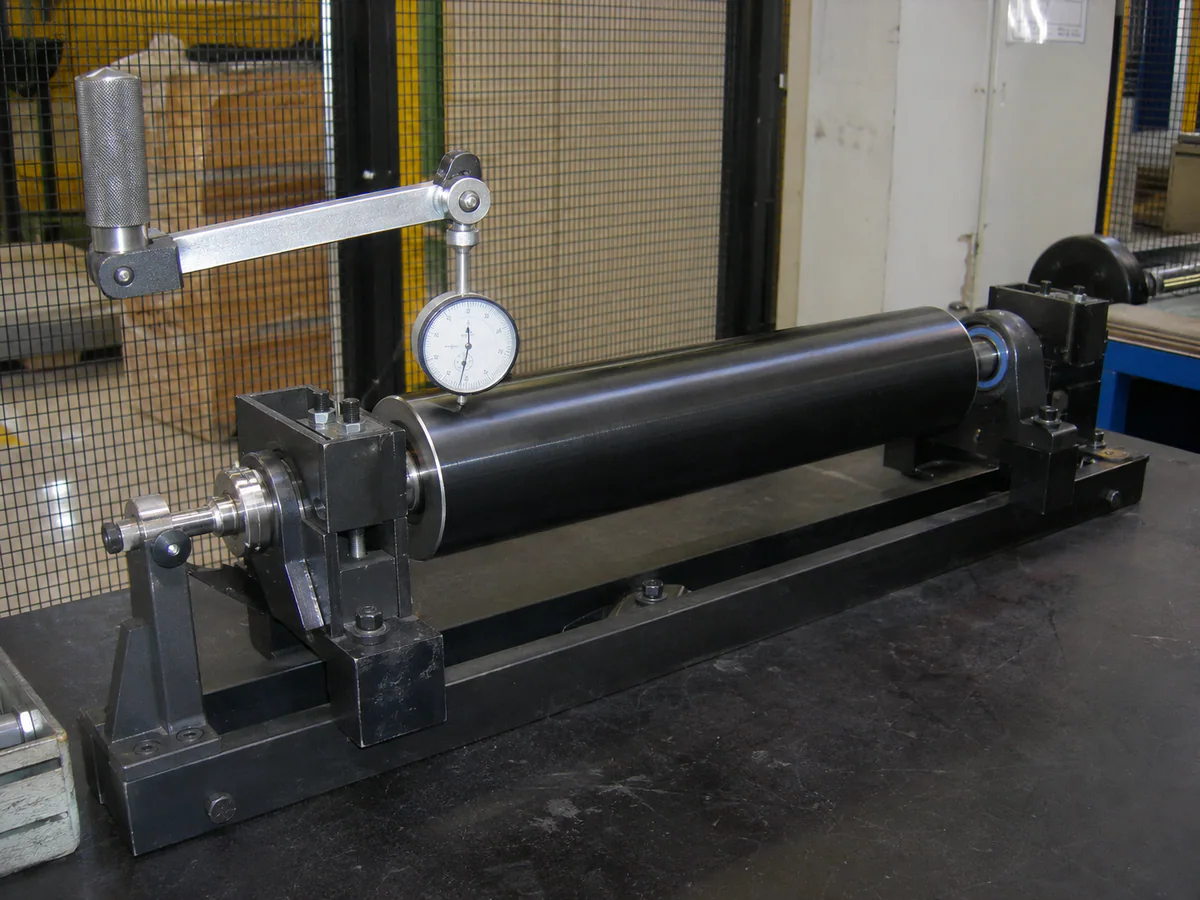
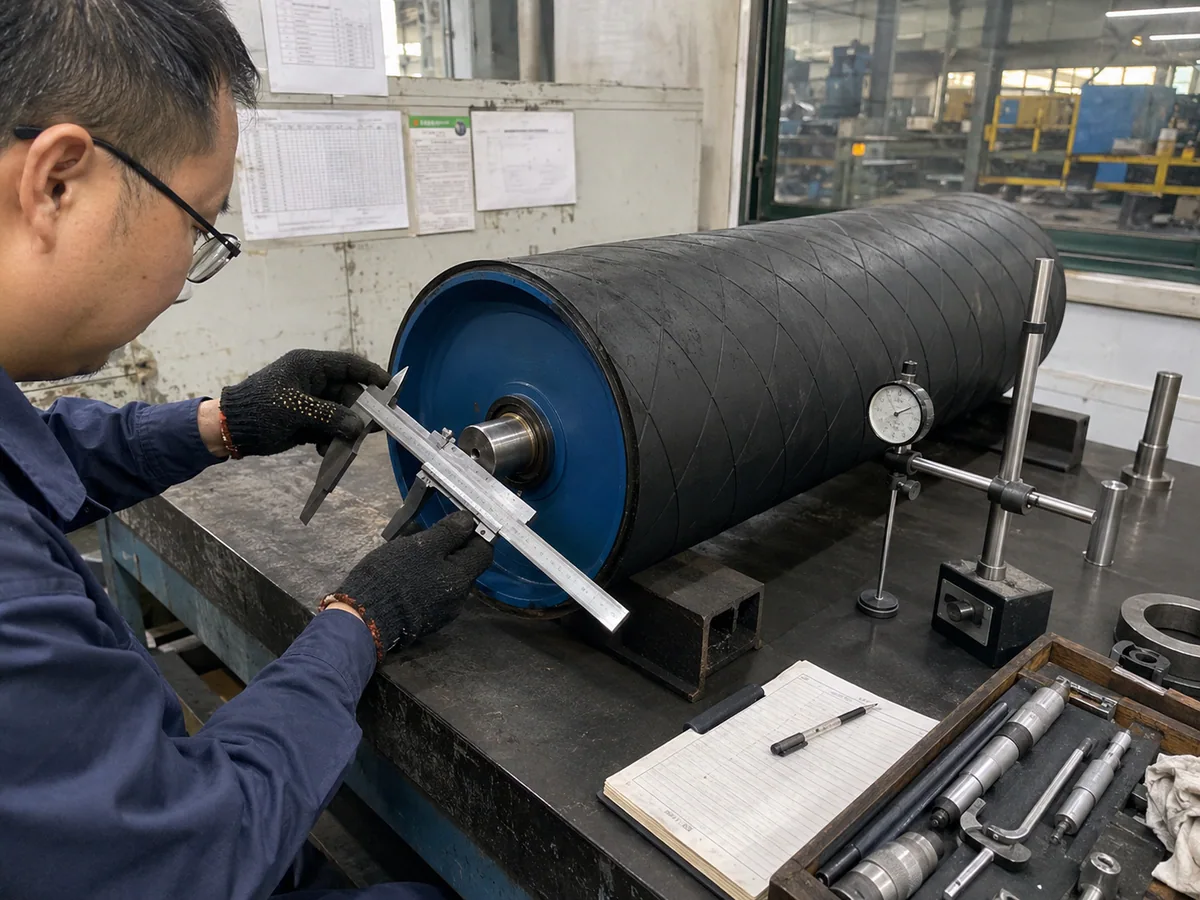
For rollers and idlers, the acceptance plan may cover dimensions, rotation, runout, sealing and other applicable checks. Pulley projects may require dimensional, shaft, keyway, runout, balance, lagging or weld-related checks. The quotation records the agreed methods, hold points and documents for the project.
If required, the buyer may arrange an inspector, nominate an inspection body or ask ROCKVANTA to coordinate with a suitable provider. Timing, scope and cost must be agreed before the order or shipment. Inspection, reinspection and report fees are buyer-paid.
ROCKVANTA owns and operates five specialized manufacturing bases. Our team reviews the component, drawing, material, production, inspection and project requirements, assigns the relevant base and coordinates any supporting work.
The bases have different process strengths. Production scope, capacity and timing are confirmed only after the RFQ has been reviewed.
How We Select a Manufacturing Base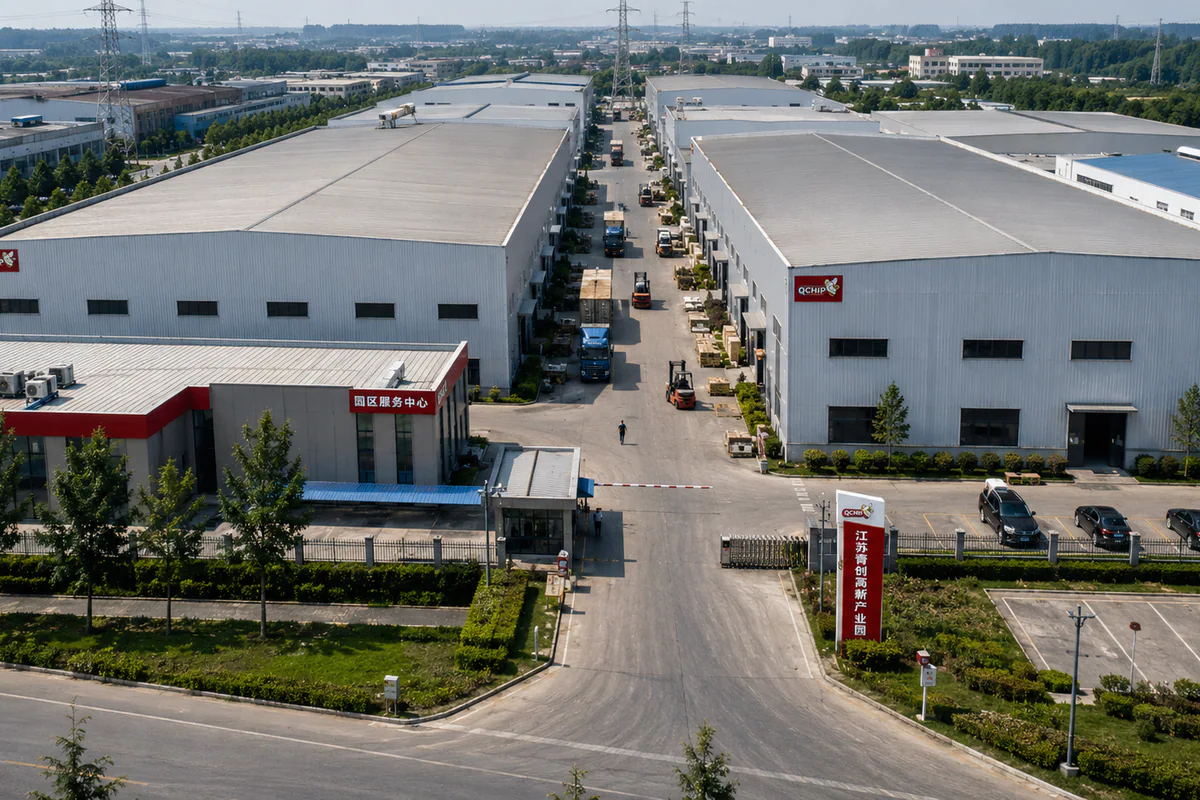
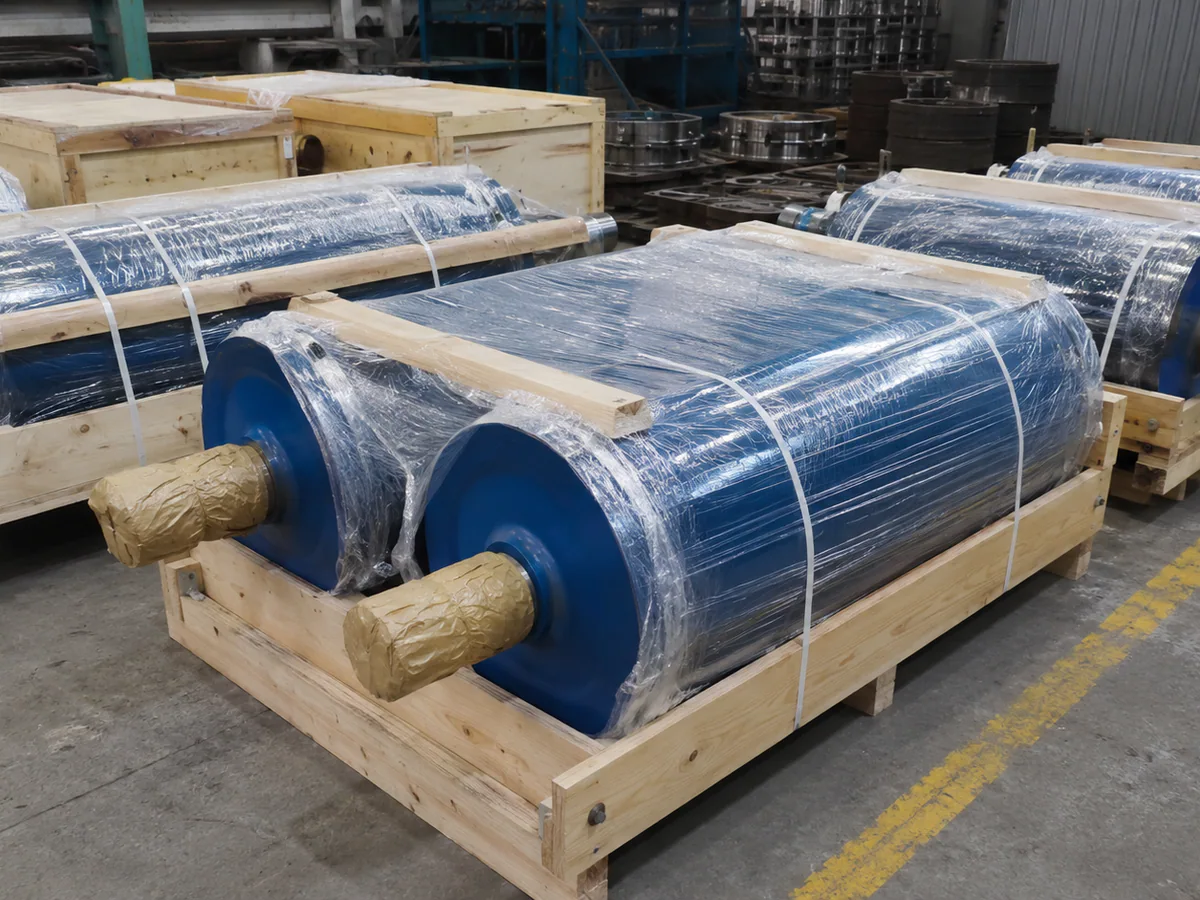
Lead time, MOQ, inspection scope, documentation and packing are confirmed for the specific RFQ.
ROCKVANTA Machinery — presented with EONBIRD GLOBAL LIMITED.