
Approved part information
Drawing, model, sample and revision status
Send the current drawing, sample or project specification for the medium-to-large machined part. ROCKVANTA reviews the overall envelope, material, machining directions, setups, datums, critical tolerances and inspection needs to prepare the machining plan.
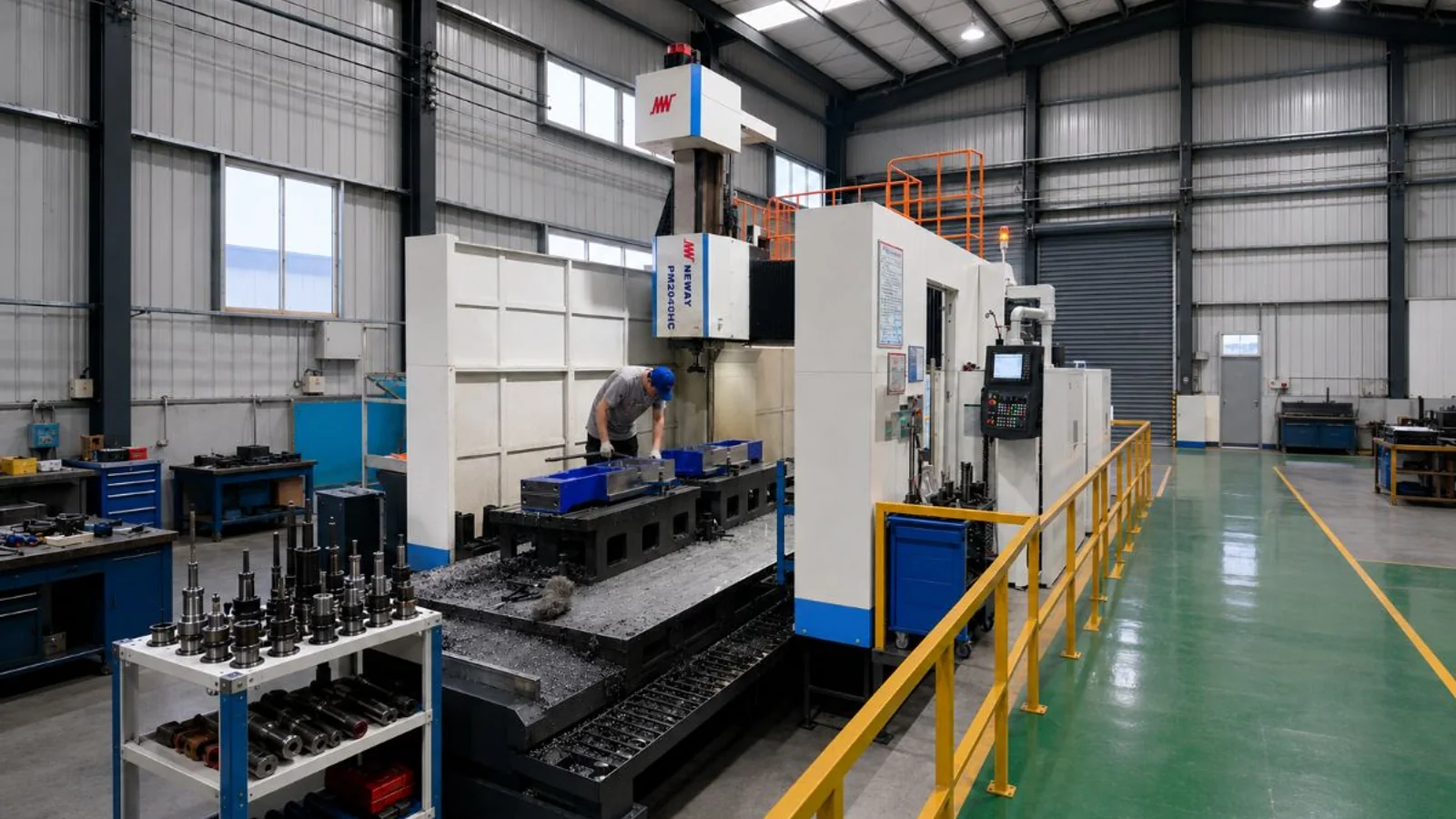
Drawing, model, sample and revision status
Overall size, mass, handling and orientation
Grade, condition, stock form and required treatment
Datums, interfaces, tolerances and surface needs
Quantity, records, destination and timing inputs
Two parts with similar dimensions can require very different setups. Access to the machined faces, stock condition, datum transfer, clamping, distortion risk and inspection method all affect the machining plan. Send the information needed to make those decisions before comparing prices.
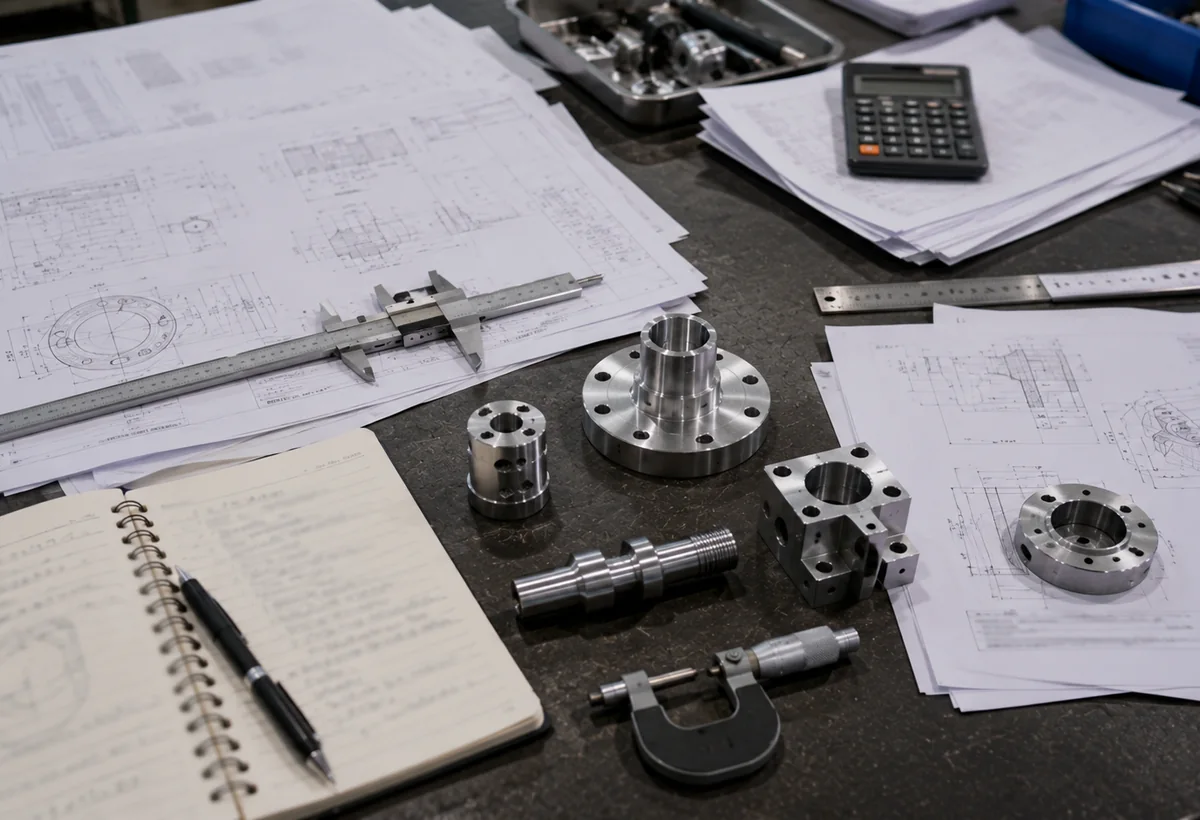
Overall dimensions, estimated mass, lifting or handling points and the orientation in which the part can be loaded.
Faces, bores, pockets, slots and features that must be reached, including work that may require more than one setup.
The features that locate the part, mate to other equipment or control relationships across different operations.
Critical dimensions, geometric relationships, surface requirements and the records needed for acceptance.
Machine travel, load, achievable tolerance and inspection method are confirmed against the specific drawing and proposed setup.
Send a dimensioned drawing or model with material, datums and critical tolerances. We check the part against the machining envelope, workholding and inspection access, then return the proposed machining scope.
Size and weight references are assessed with the material, fixture and feature tolerances; maximum values are not assumed to apply simultaneously.
The part geometry and critical features determine the required machining directions, setups and inspection plan.
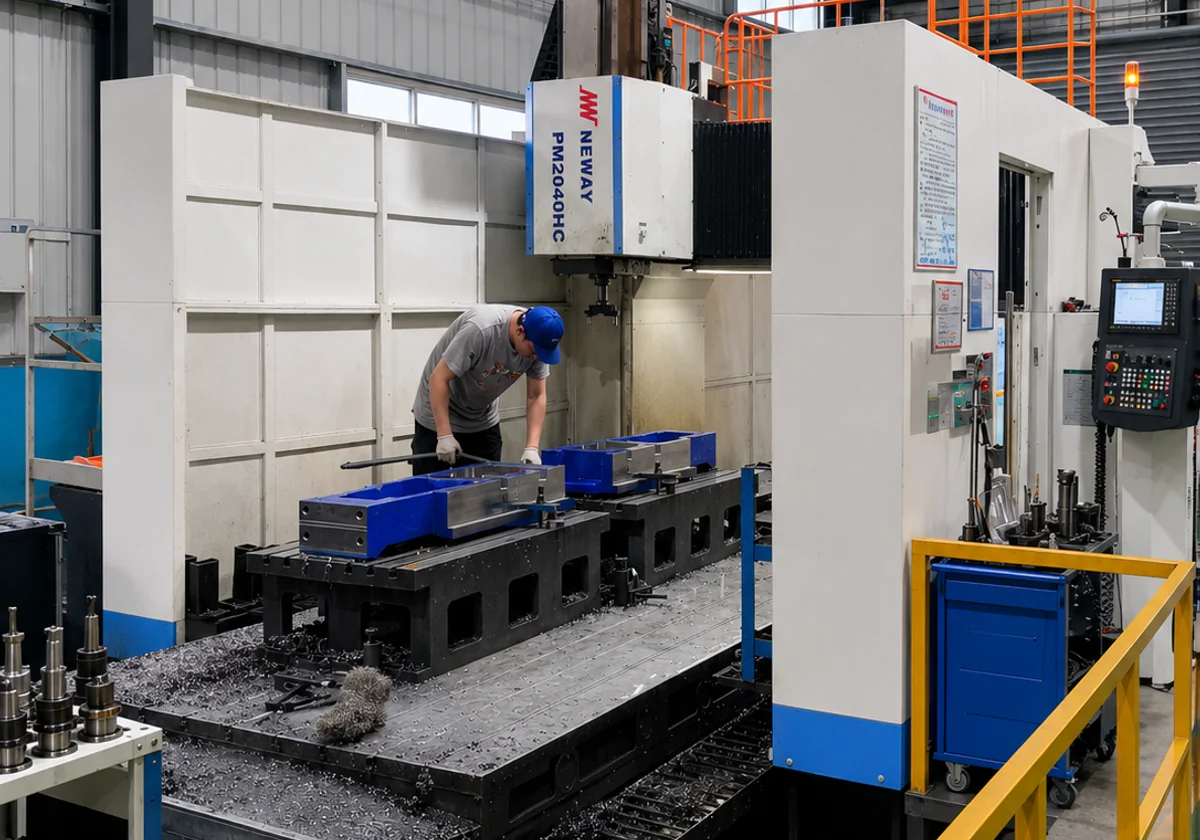
For plates, bases, housings, frames and other parts that need table-based access to faces, bores, pockets or hole patterns. The review covers envelope, orientation, tool access, clamping, datum strategy and any setup change.
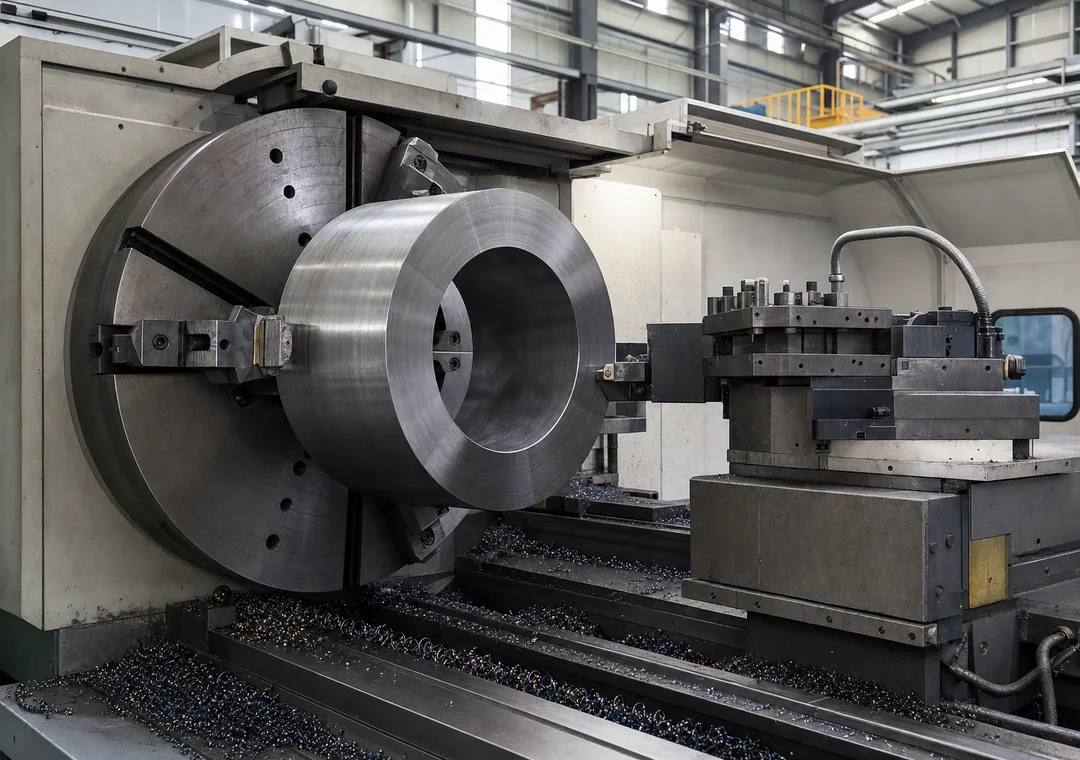
For rings, sleeves, shafts, drums and cylindrical components where chucking, support, balance, internal and external features and concentric relationships determine the setup. Workholding and inspection are reviewed with the drawing.
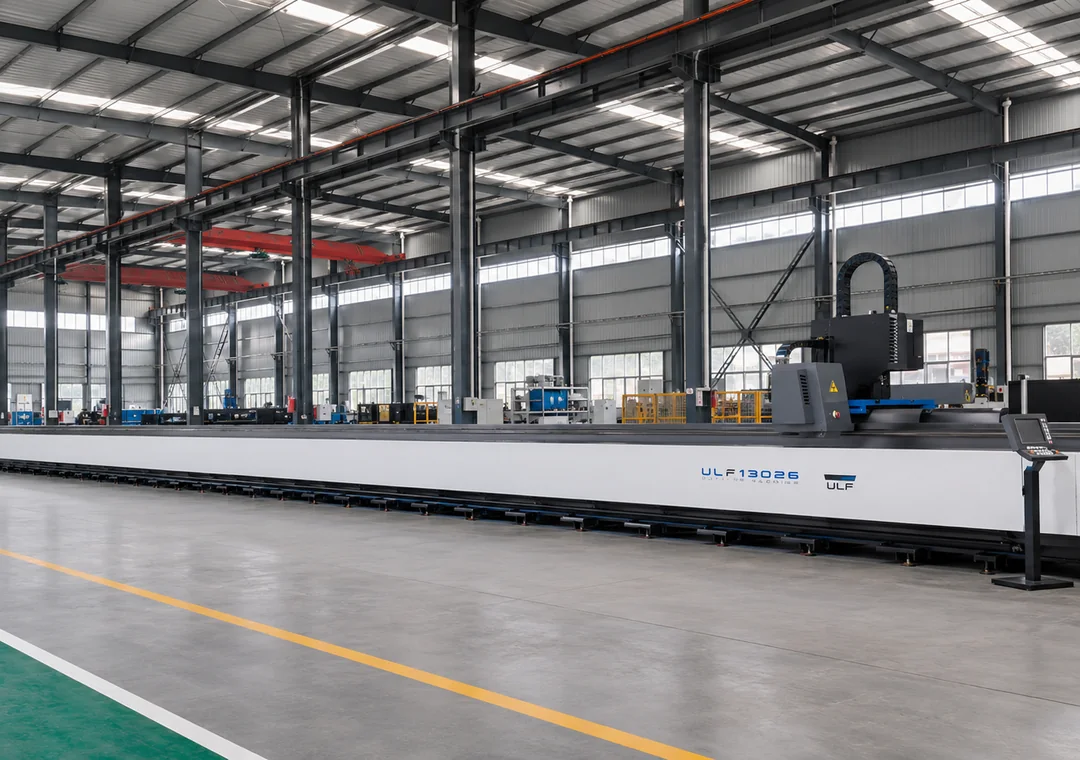
For drawing-defined profiles, faces, holes, slots and interfaces on plate or long workpieces. Material condition, flatness, stock allowance, support and feature relationships must be clear before the setup is confirmed.
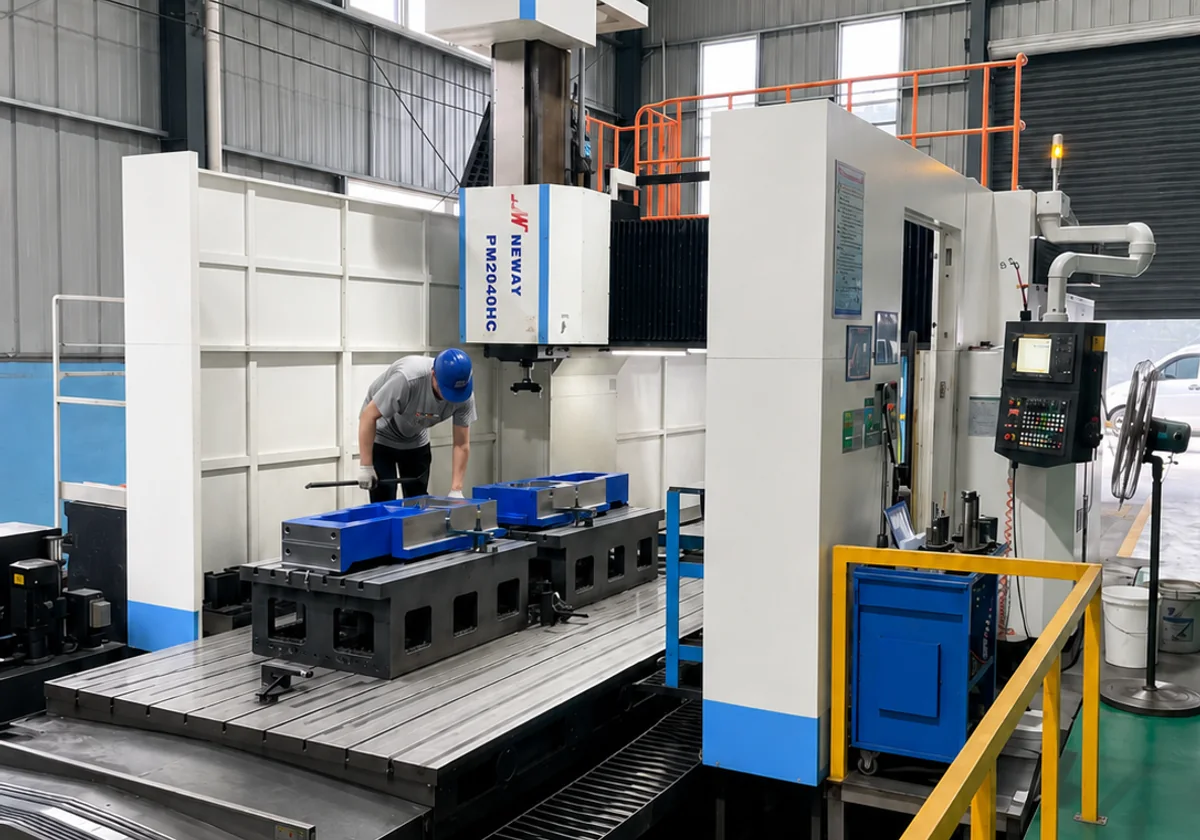
ROCKVANTA reviews how the part will be located, supported, clamped, reoriented and checked to resolve datum and setup risks before production begins.
Review the current drawing or approved sample.
Confirm the part envelope, material and stock condition.
Identify critical datums, interfaces and machining directions.
Plan setups, workholding and intermediate checks.
Confirm final inspection records and packing inputs.
DFM and process comments identify open manufacturing points. They do not change the customer-approved definition without authorization.
The inspection plan should reflect the characteristics that matter to assembly and service. Depending on the drawing and quoted work, the scope may include dimensional checks, hardness testing, NDT or requested in-process and final records where applicable.
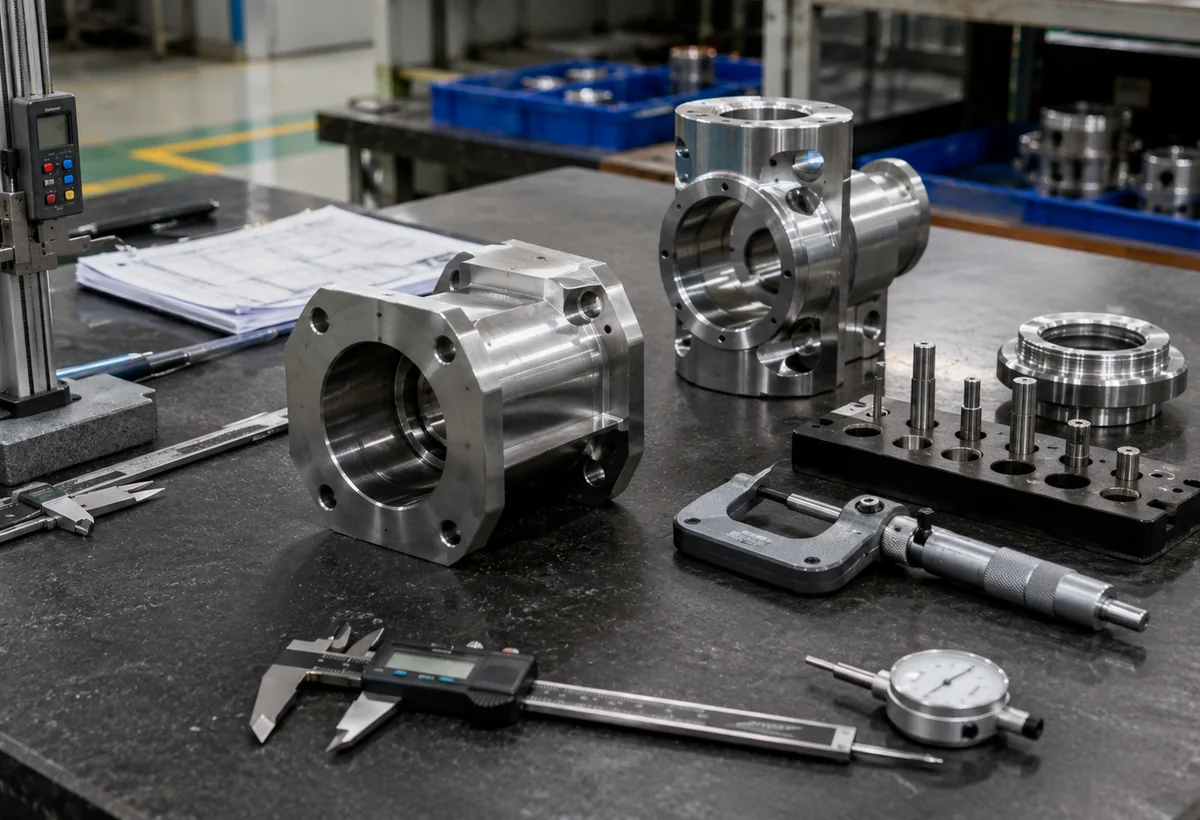
Confirm the characteristics and datum relationships that need recorded results.
Identify certificates, treatment records or surface records required for the order.
Agree which characteristics need review before the part leaves a setup or moves to the next operation.
Connect required inspection records, identification and packing status to the quoted deliverable.
If required, the buyer may arrange an inspector, nominate an inspection body or ask ROCKVANTA to coordinate with a suitable provider. Timing, scope and cost must be agreed before the order or shipment. Inspection, reinspection and report fees are buyer-paid.
ROCKVANTA owns and operates five specialized manufacturing bases. Our team reviews the drawing, material, machining, inspection and project requirements, assigns the relevant base and coordinates any supporting work.
Machine availability, production scope, capacity and timing are confirmed for the specific RFQ.
How We Select a Manufacturing BaseReview the part definition
Identify the relevant base
Coordinate machining and supporting processes
Confirm inspection, packing and project scope

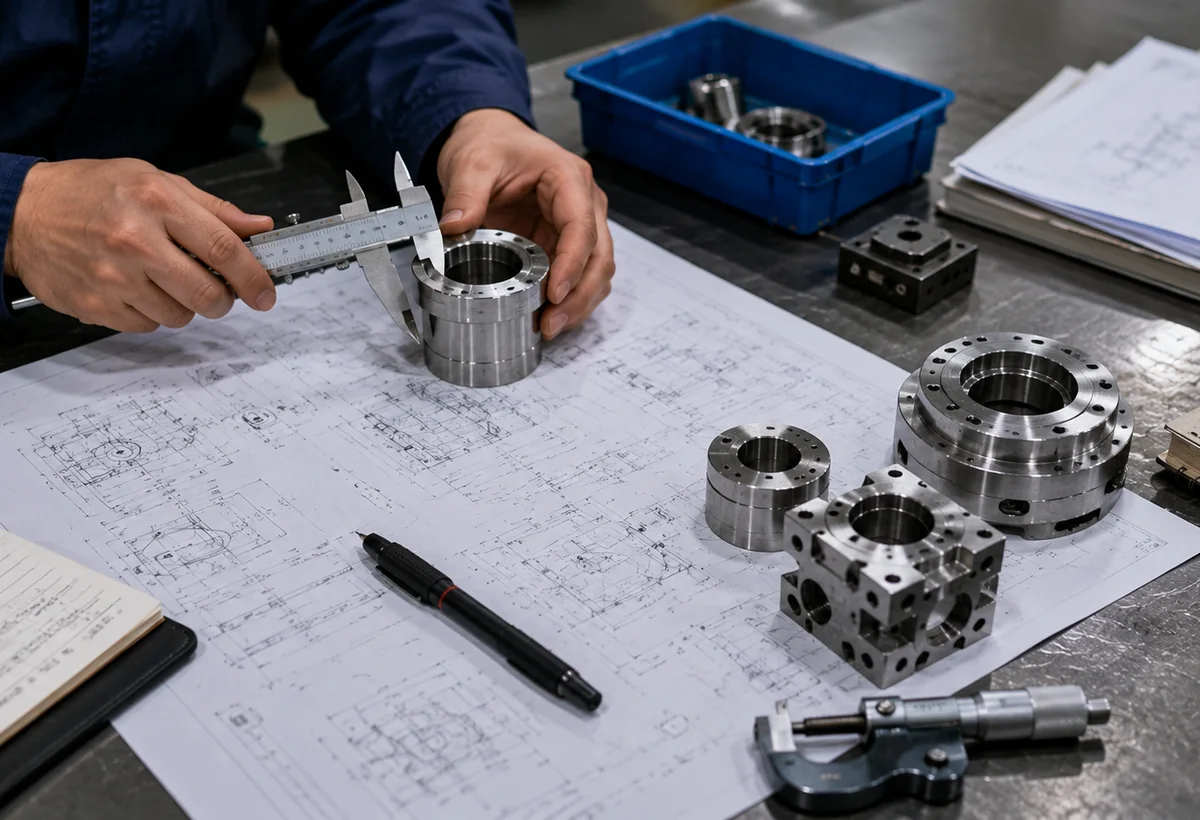
Send the current drawing or sample and the conditions that affect setup, inspection and delivery. List any unconfirmed field as an open point for technical review.
Large-part drawing checklist →