Definition
Drawing, sample, model or reference part
ROCKVANTA manufactures custom industrial parts and assemblies from customer drawings, specifications or samples. Send the current drawing or sample, material, quantity and acceptance requirements; our team will review the required processes and assign the relevant manufacturing base.
Drawing, sample, model or reference part
Grade, condition and required treatment
Development, project batch or repeat supply
Critical dimensions, records and hold points
Packing, shipment and project timing inputs
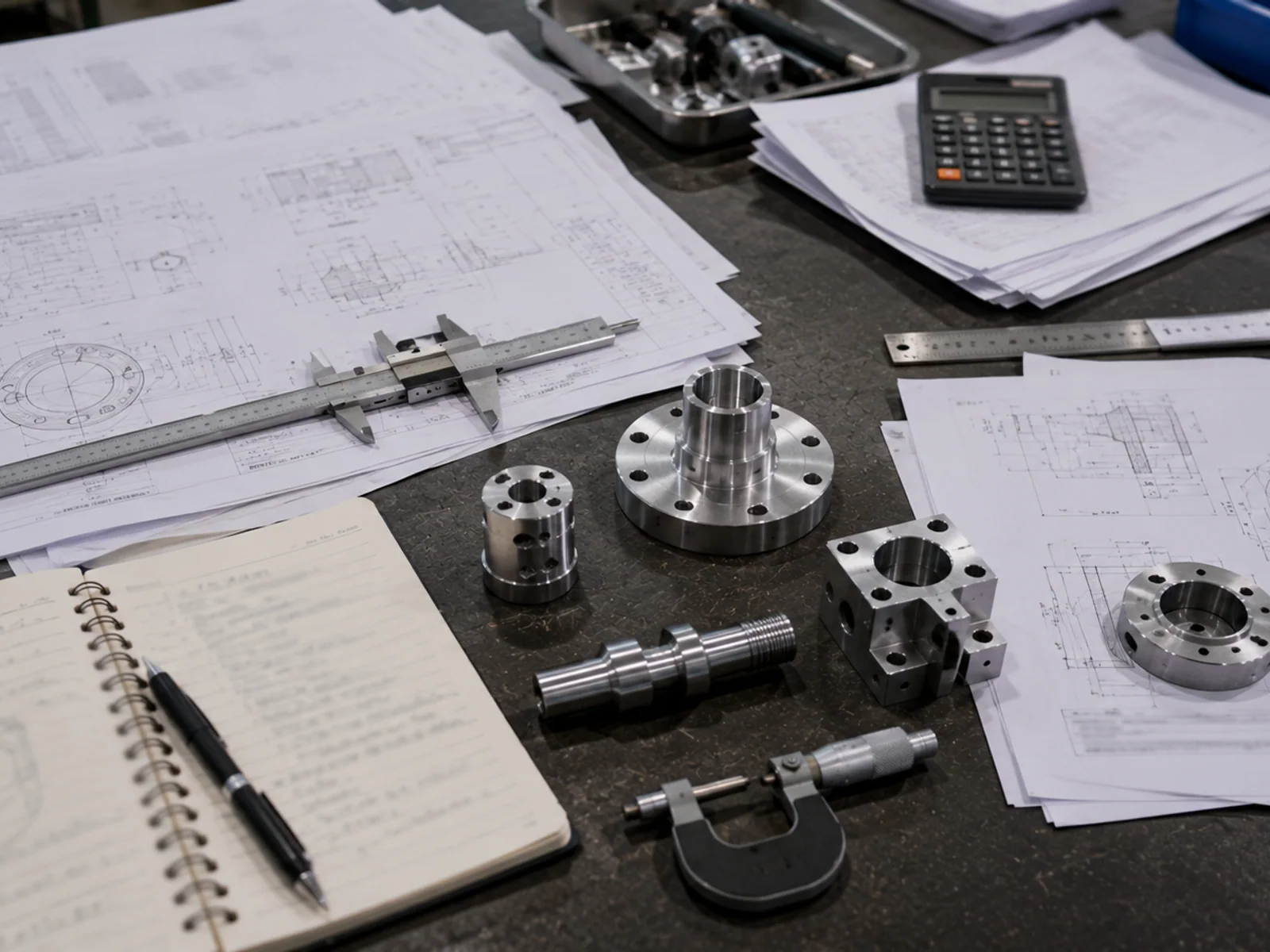
A part name rarely contains enough information to price or manufacture the same item twice. For buyers comparing a build to print parts manufacturer, the useful starting point is the drawing, model, sample or specification that defines geometry, interfaces, material, process notes and acceptance.
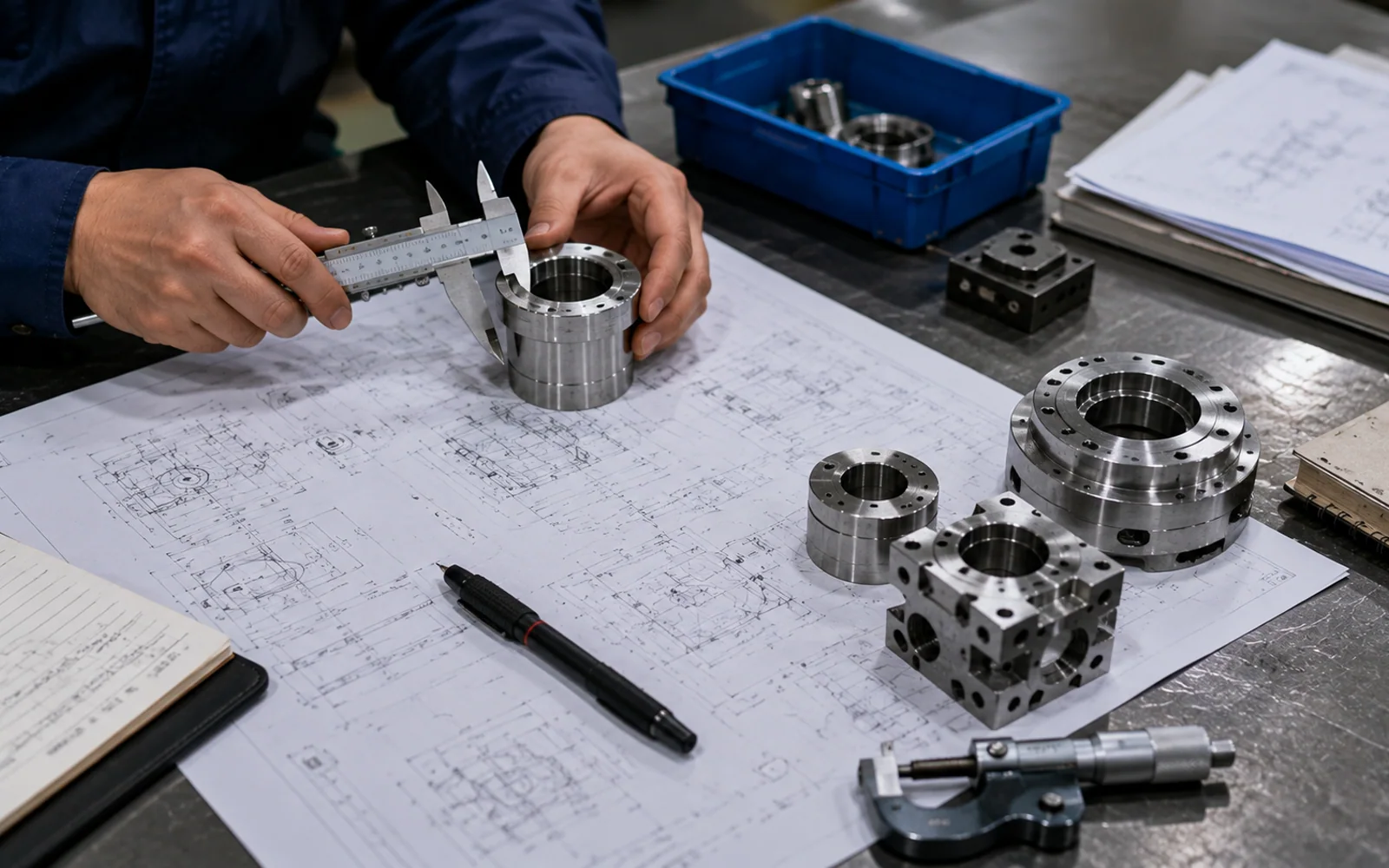
Send the latest drawing or 3D model, revision status and any specification that controls the part. Mark critical dimensions, mating interfaces and characteristics that need specific records.
Send a representative sample and explain what must be reproduced, what may change and where the part works. Measurement, material identification and reverse-definition scope must be agreed before manufacture.
Drawing review and DFM comments are used to resolve manufacturability and open points. They do not change the customer-approved definition without authorization.
Geometry, material, quantity, process sequence and acceptance criteria determine the operations and manufacturing base required for quotation.
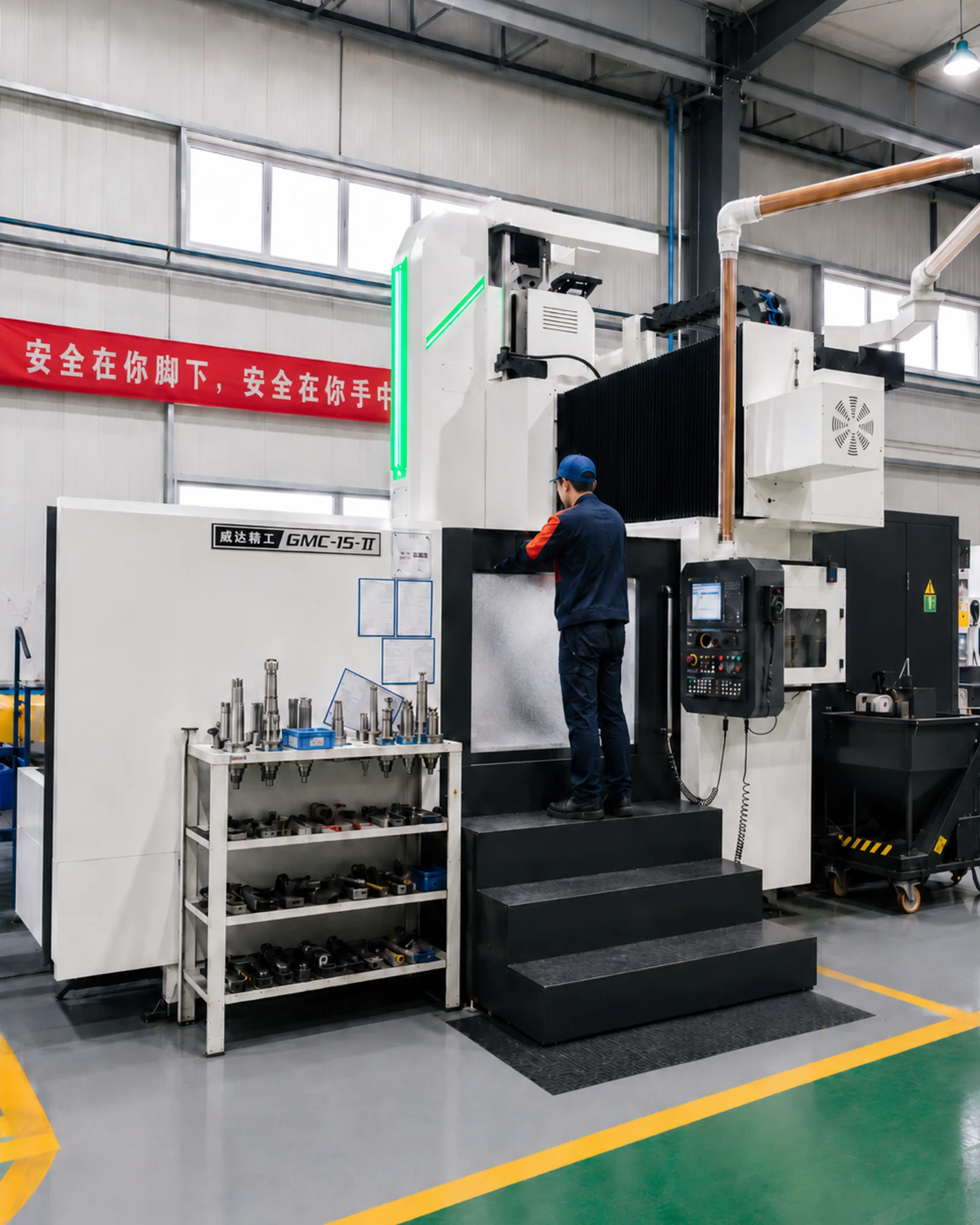
Turning, milling, drilling and large-format machining are reviewed against the drawing, material, datum strategy and inspection needs.
Review Large CNC Machining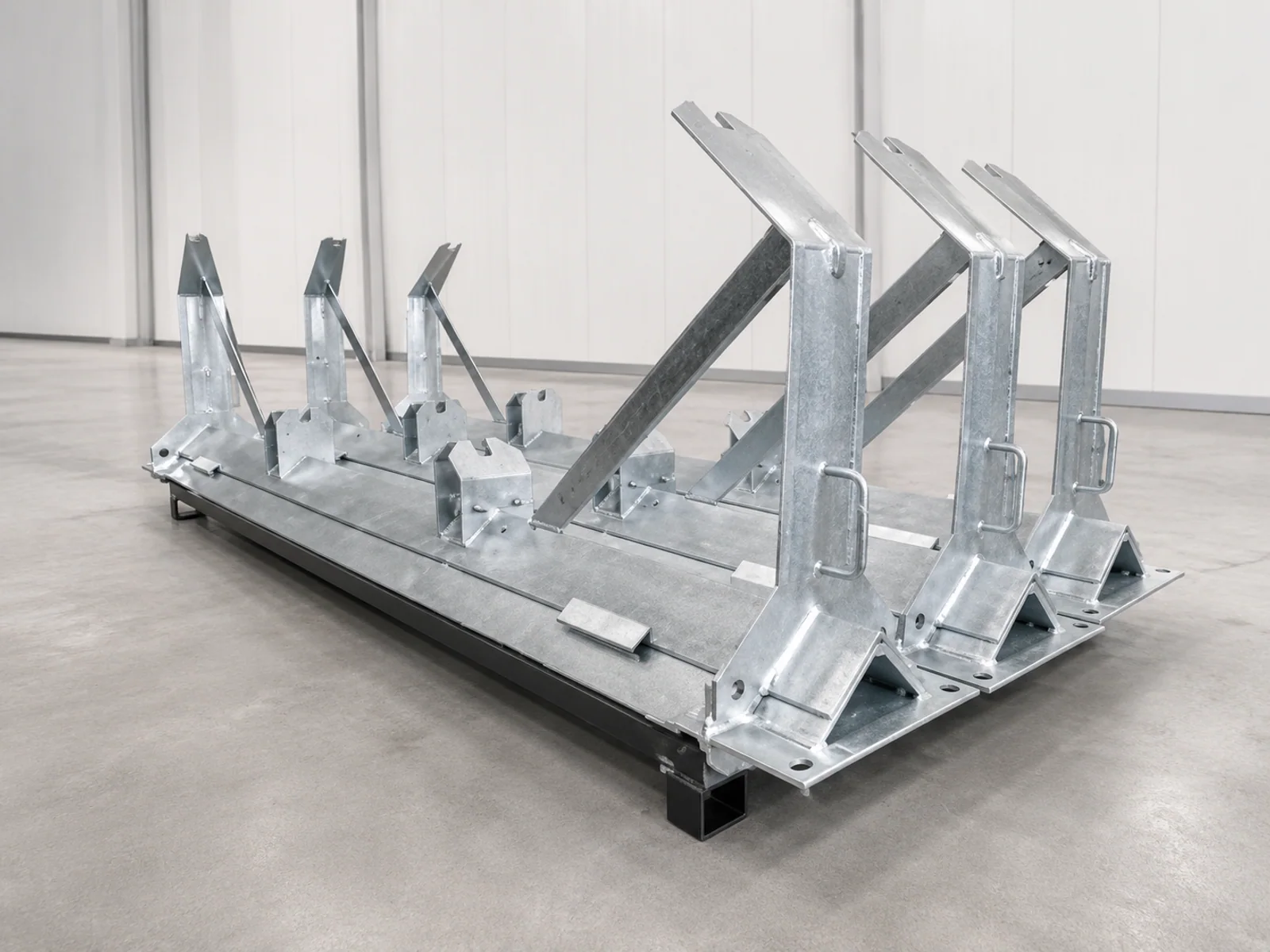
Cut, formed and welded assemblies are planned from the approved geometry, material, interfaces, weld requirements, finish and records.
Review Welding & Fabrication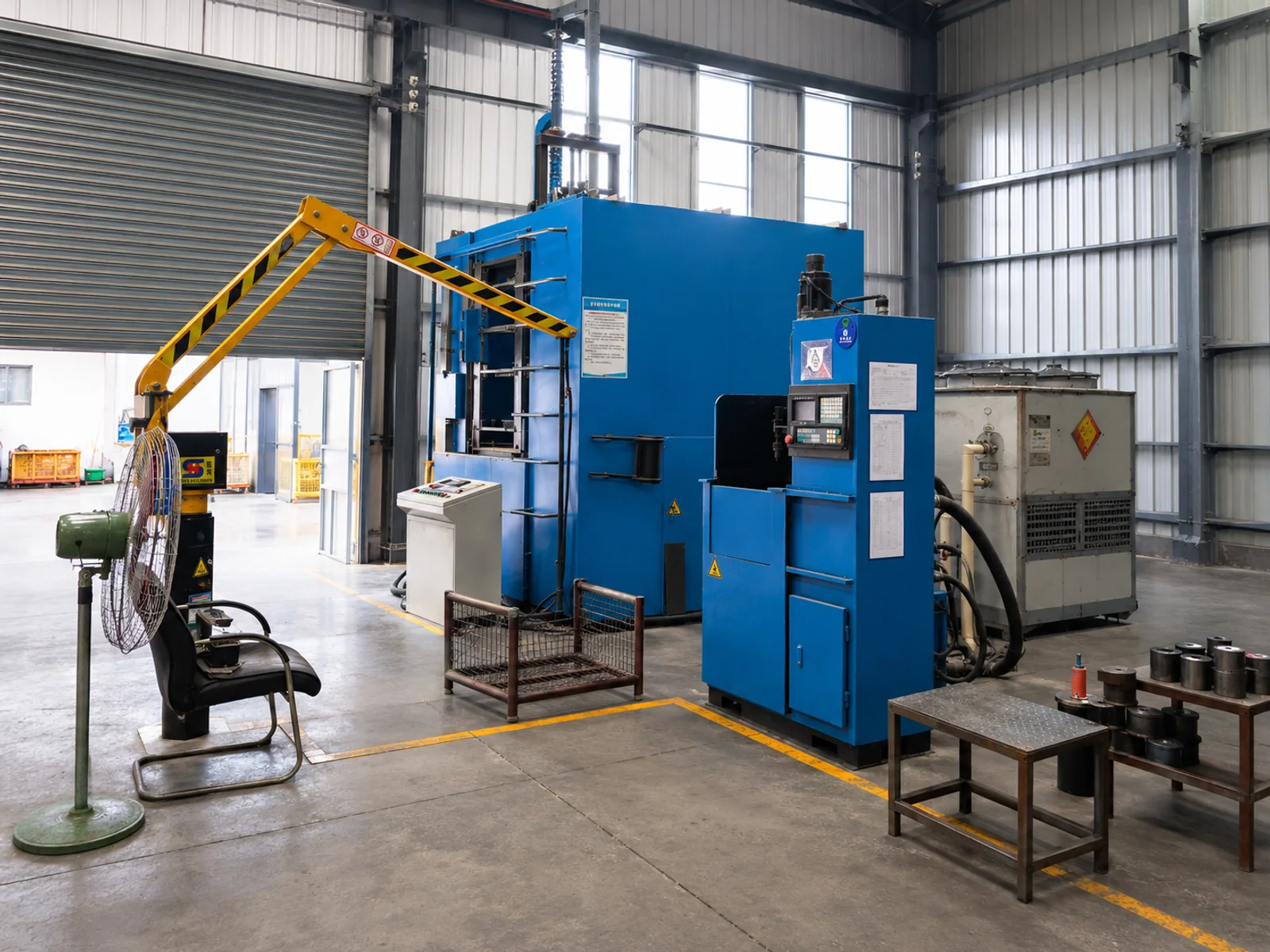
Heat treatment, induction hardening and related finishing are included where the part definition and required performance call for them.
Review Heat TreatmentROCKVANTA manufactures drawing-led OEM and project orders. The quotation can cover one machined part, a fabricated assembly or a coordinated set that combines several processes.
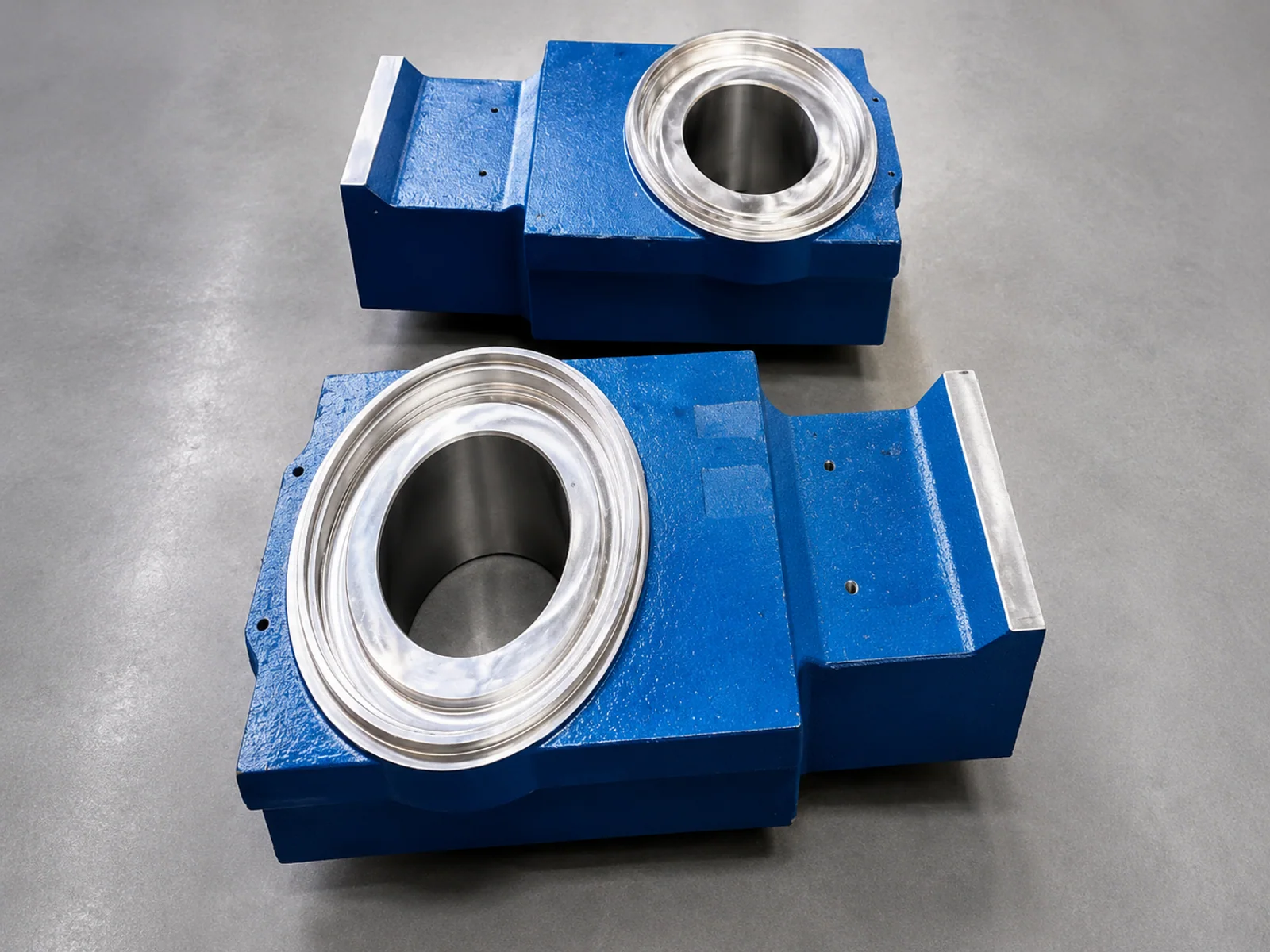
Shafts, housings, blocks, rings, pins and other drawing-defined components.
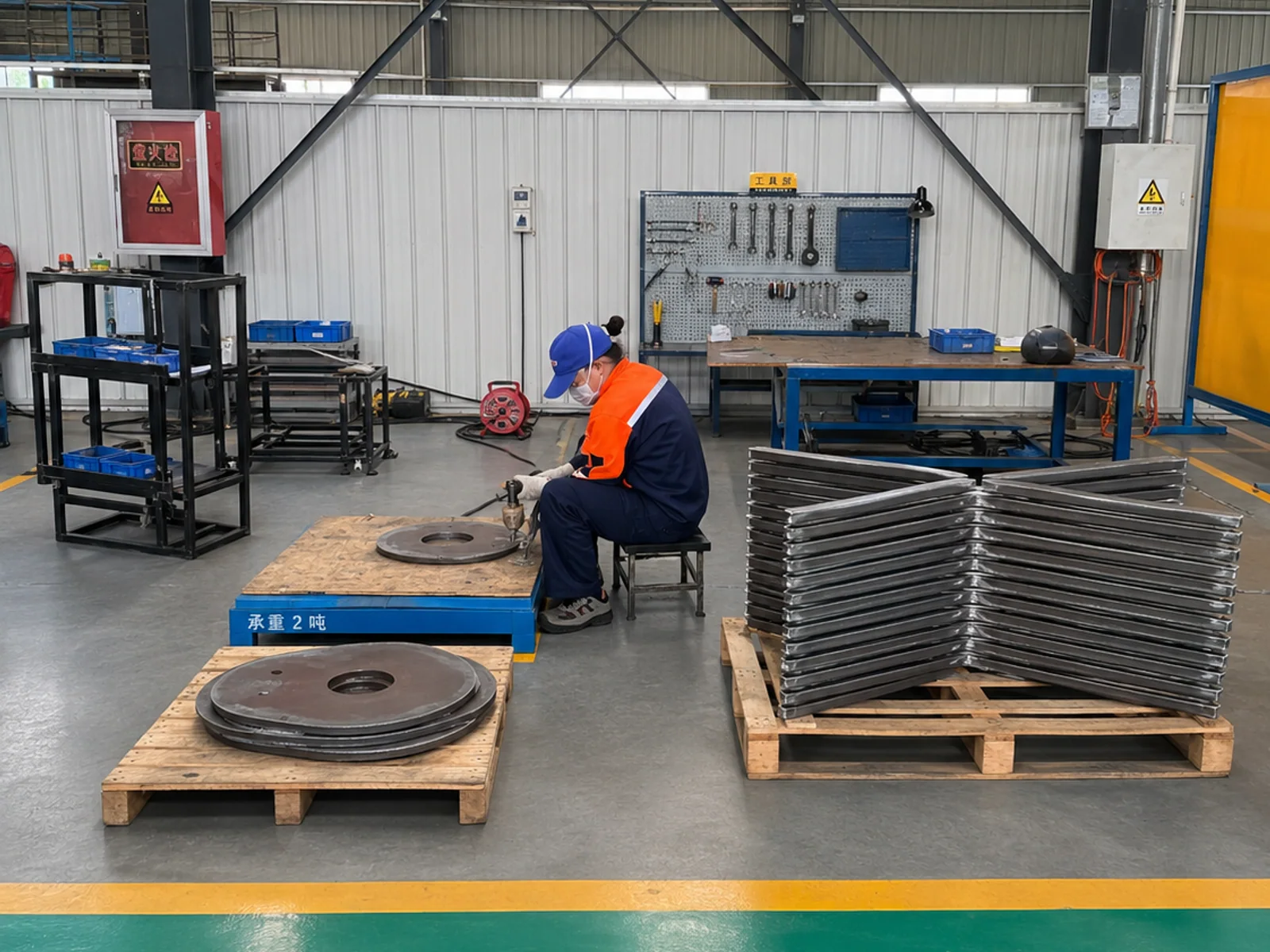
Plate and sheet components, formed parts, blanks and project-defined metalwork.
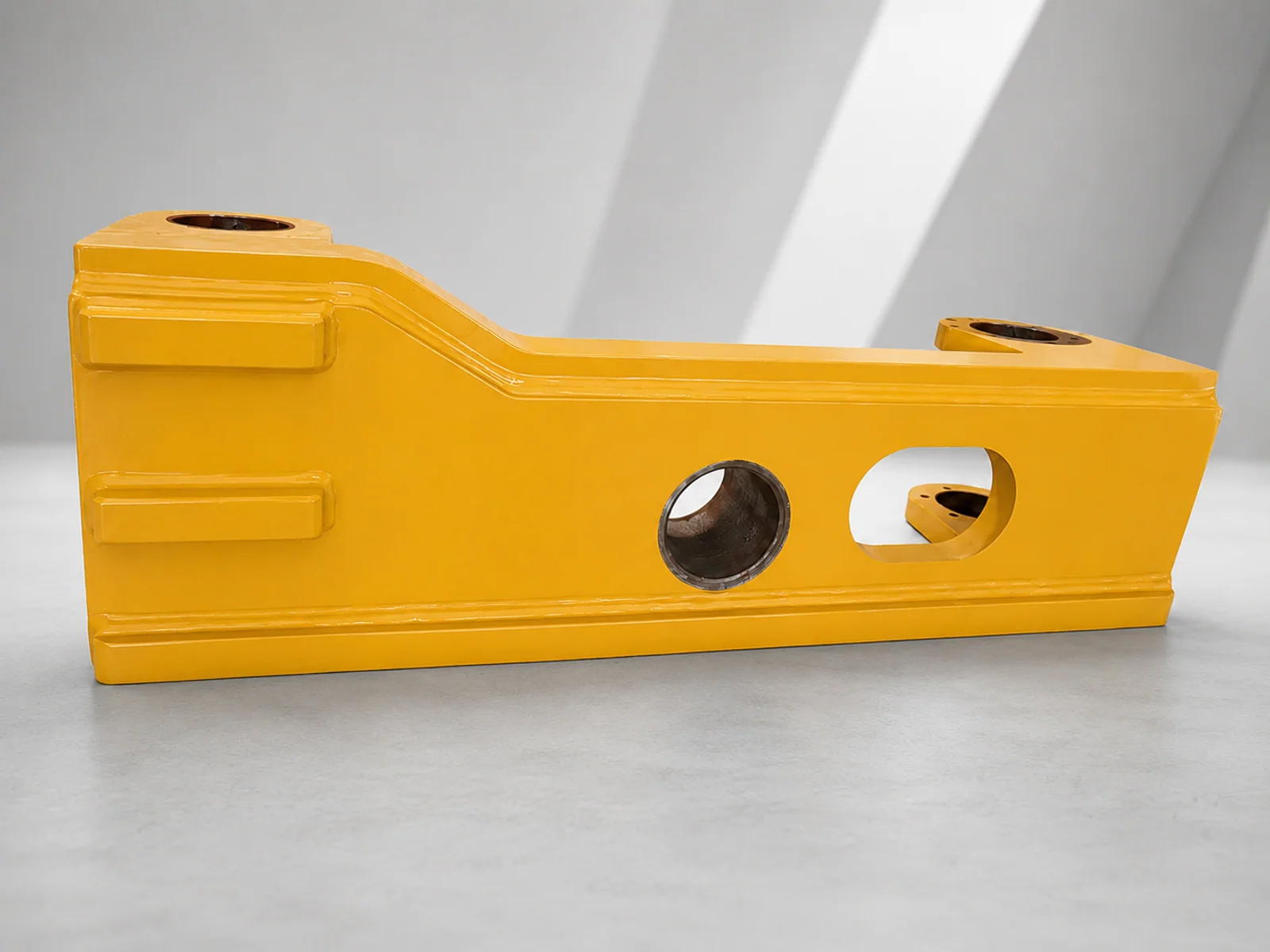
Frames, brackets, supports and structural assemblies built to the approved definition.
Material, tolerances, finish, quantity, process records and included assembly are confirmed for the specific RFQ. The photographs are product-form examples, not standard specifications.
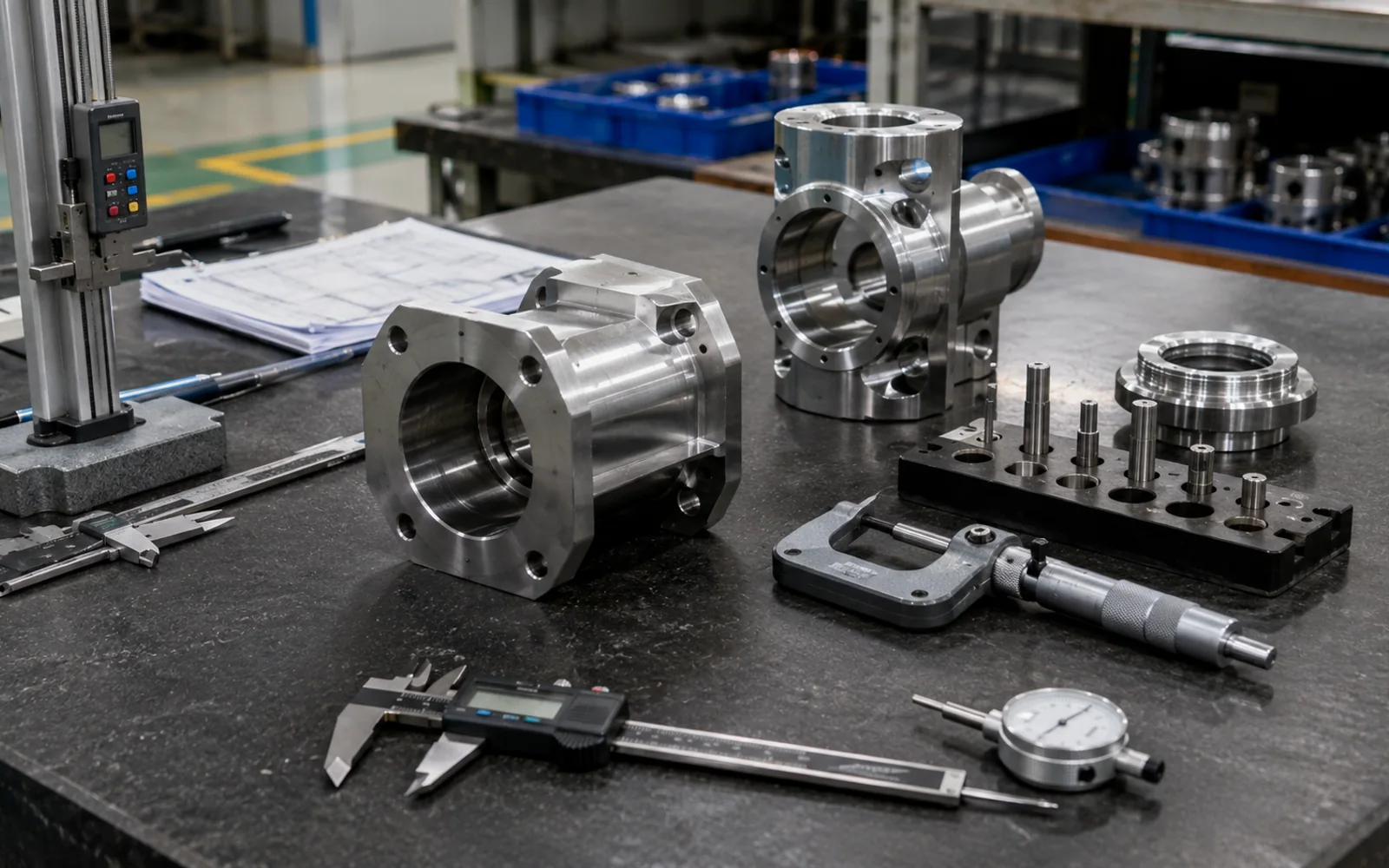
Inspection starts with the agreed definition. Before production, the team identifies the characteristics to check, documents to provide and any required hold points.
Confirm drawing revision, sample status, interfaces and approved clarifications.
Confirm the material, treatment, surface and process records included in the order.
Plan applicable measurements, hardness checks, NDT or other agreed checks against the quoted scope.
Confirm requested reports, identification, inspection status and packing readiness.
If required, the buyer may arrange an inspector, nominate an inspection body or ask ROCKVANTA to coordinate with a suitable provider. Inspection timing, scope and cost must be agreed before the order or shipment. Inspection, reinspection and report fees are buyer-paid.
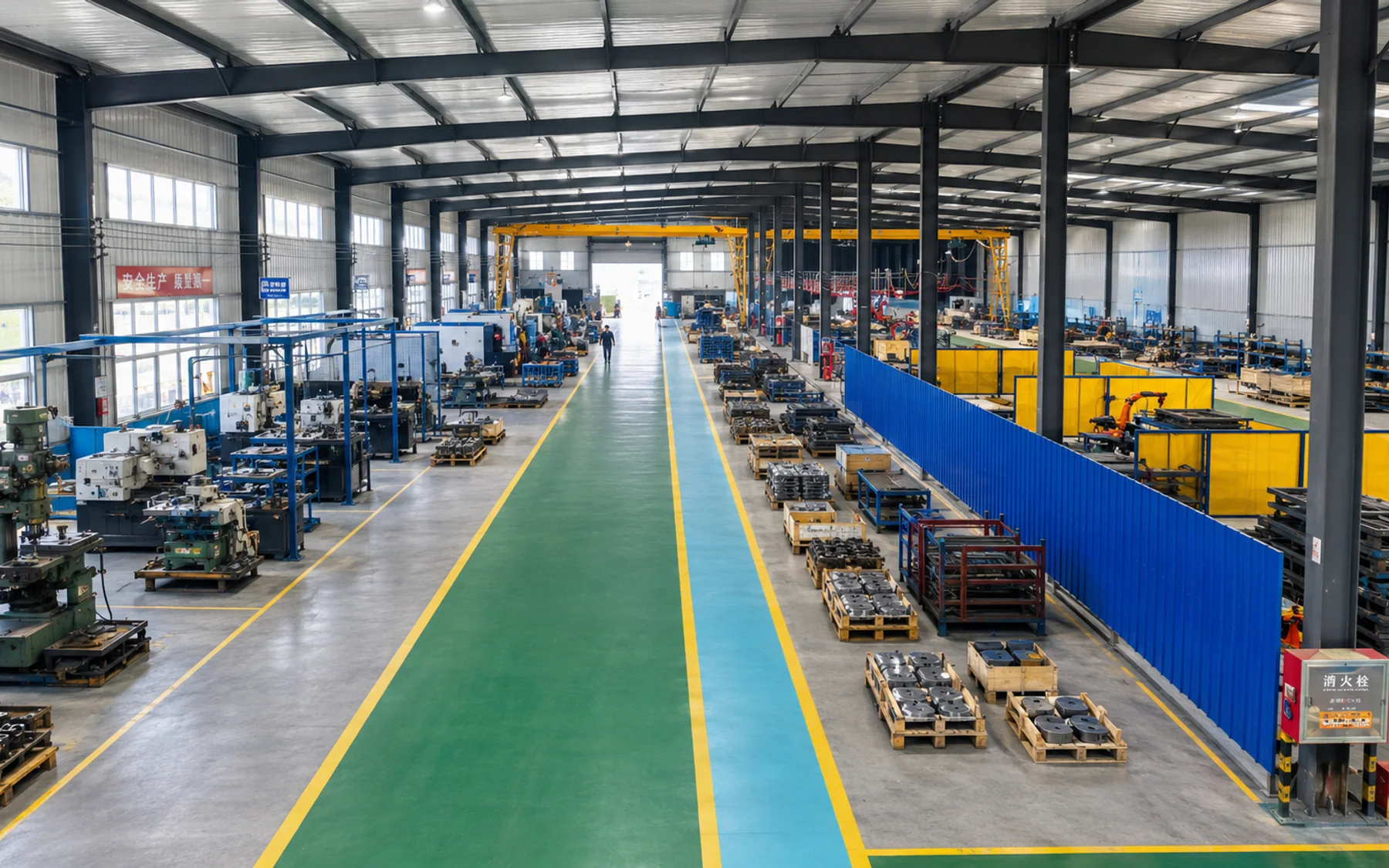
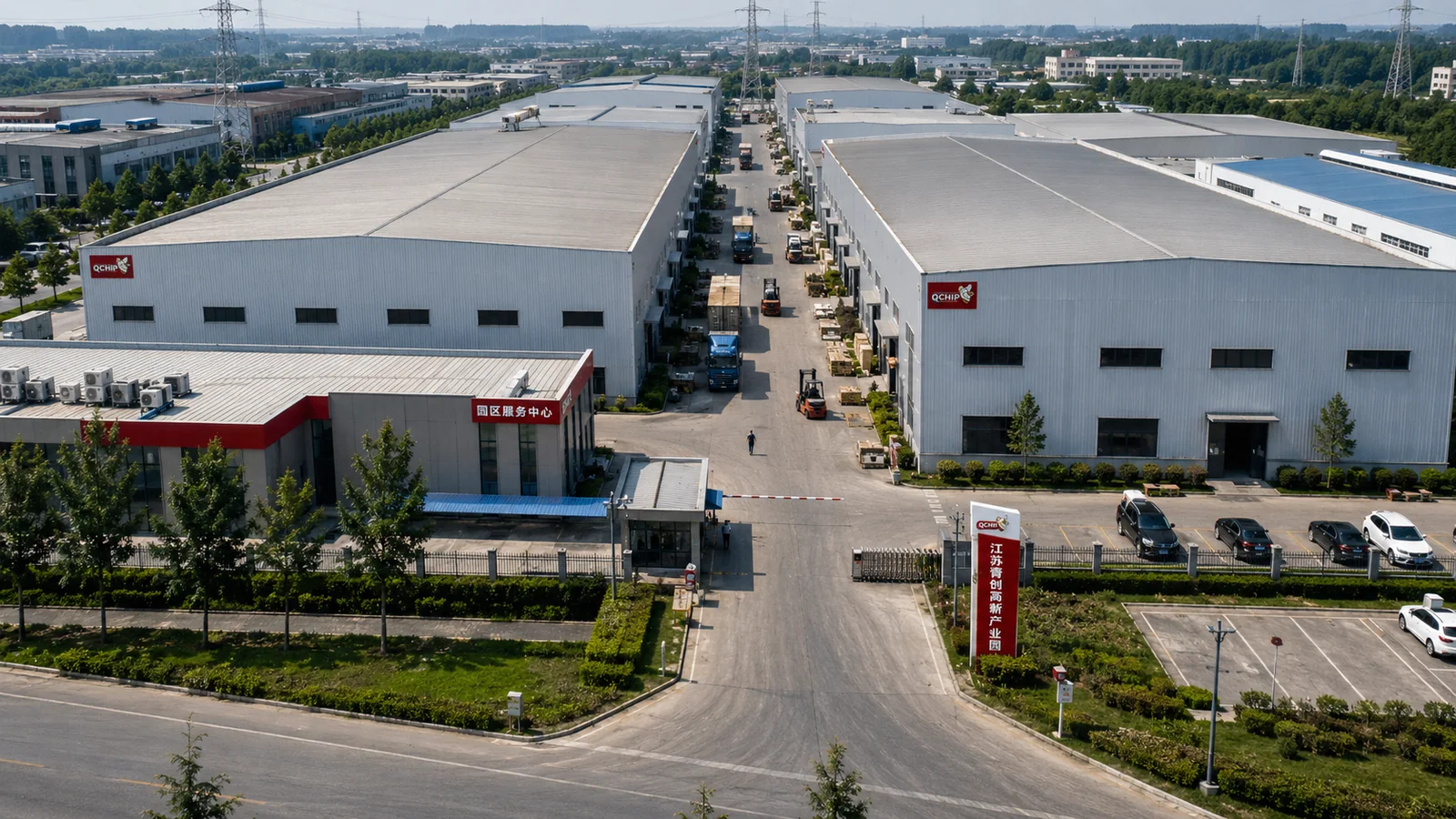
ROCKVANTA owns and operates five specialized manufacturing bases. Our team reviews the part definition, required processes, quantity, inspection scope and destination, assigns the relevant base and coordinates any supporting work.
The RFQ confirms the production scope, available capacity and timing for the project.
How We Select a Manufacturing BaseReview the approved part definition
Assign the relevant base
Coordinate production and supporting work
Confirm inspection and packing requirements
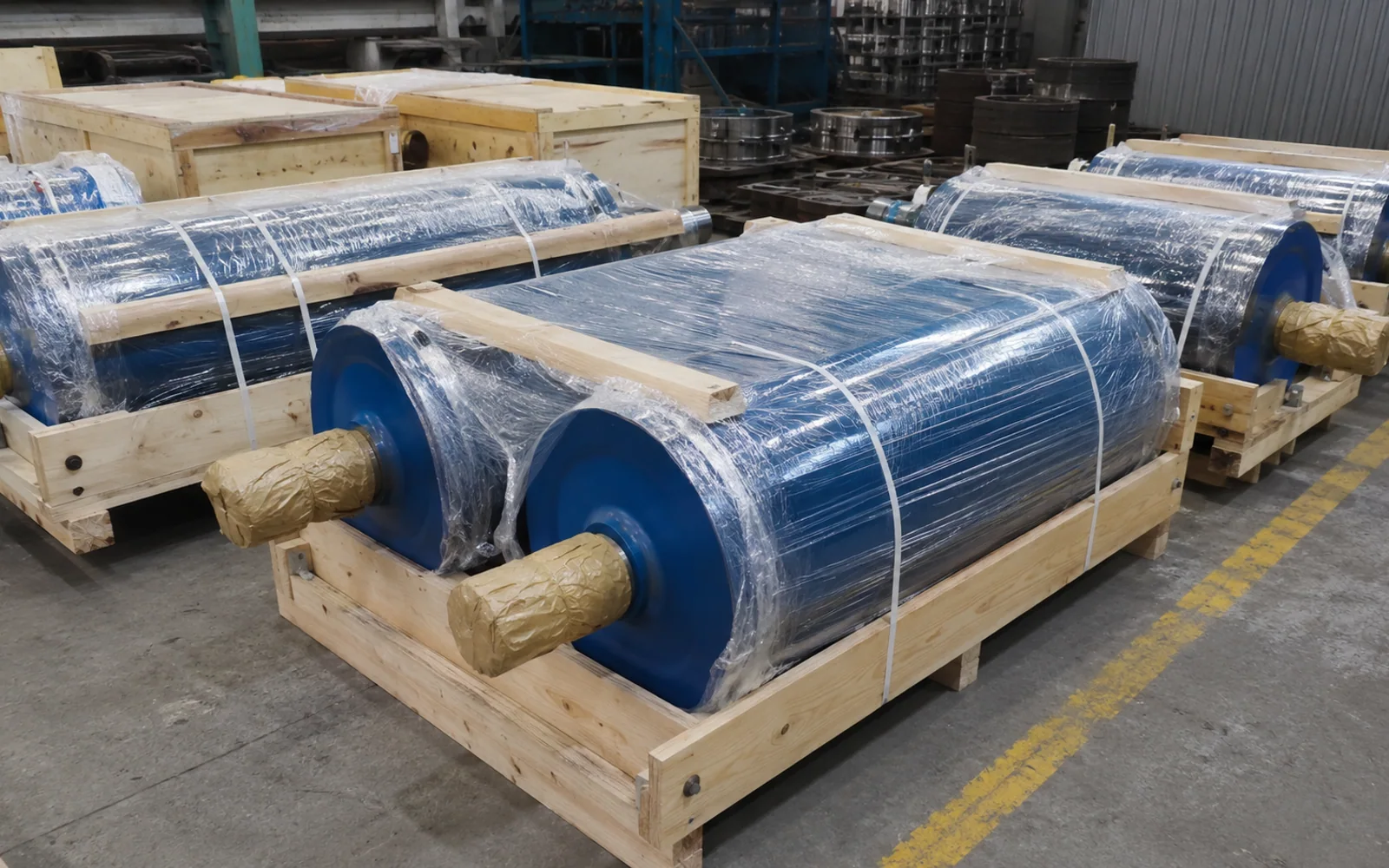
The release condition matters as much as the part itself. State whether the enquiry needs individual parts, matched sets, partial assembly or a complete fabricated assembly, then define the destination and packing constraints.
A useful enquiry gives engineering and procurement one clear scope to review. If information is still open, mark it clearly so the team can identify what must be resolved before quotation.
Preparing drawings for quotation? Read the build-to-print manufacturing guide


