
Material
Type, condition, moisture and feed variability
ROCKVANTA manufactures mobile and portable screening plants to customer drawings, specifications or an agreed project brief. Send the feed material, target fractions, required operating duty, site layout and mobility requirements for engineering review.
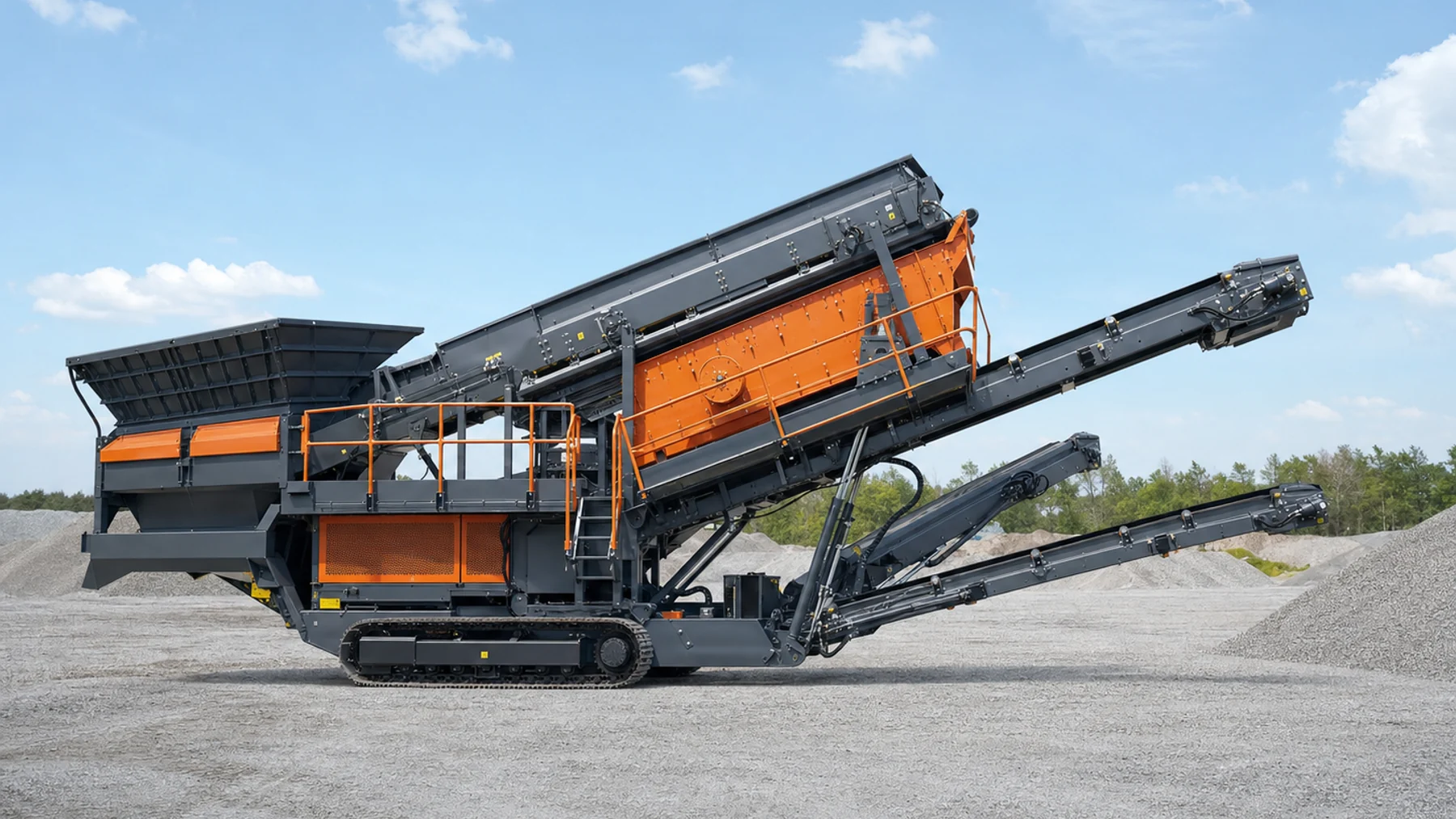
Type, condition, moisture and feed variability
Maximum size, loading method and surge condition
Target fractions, oversize and acceptance method
Required throughput range and operating pattern
Tracked, portable, skid-mounted or site-installed
Feed, discharge, power, water and downstream equipment
A useful quotation starts with the material and the required products. State what enters the plant, the fractions to be separated, the operating pattern and how each output will leave the machine.
Send material test data, photographs, samples, a general arrangement or a reference machine when available. If a value is still open, mark it clearly for technical review.
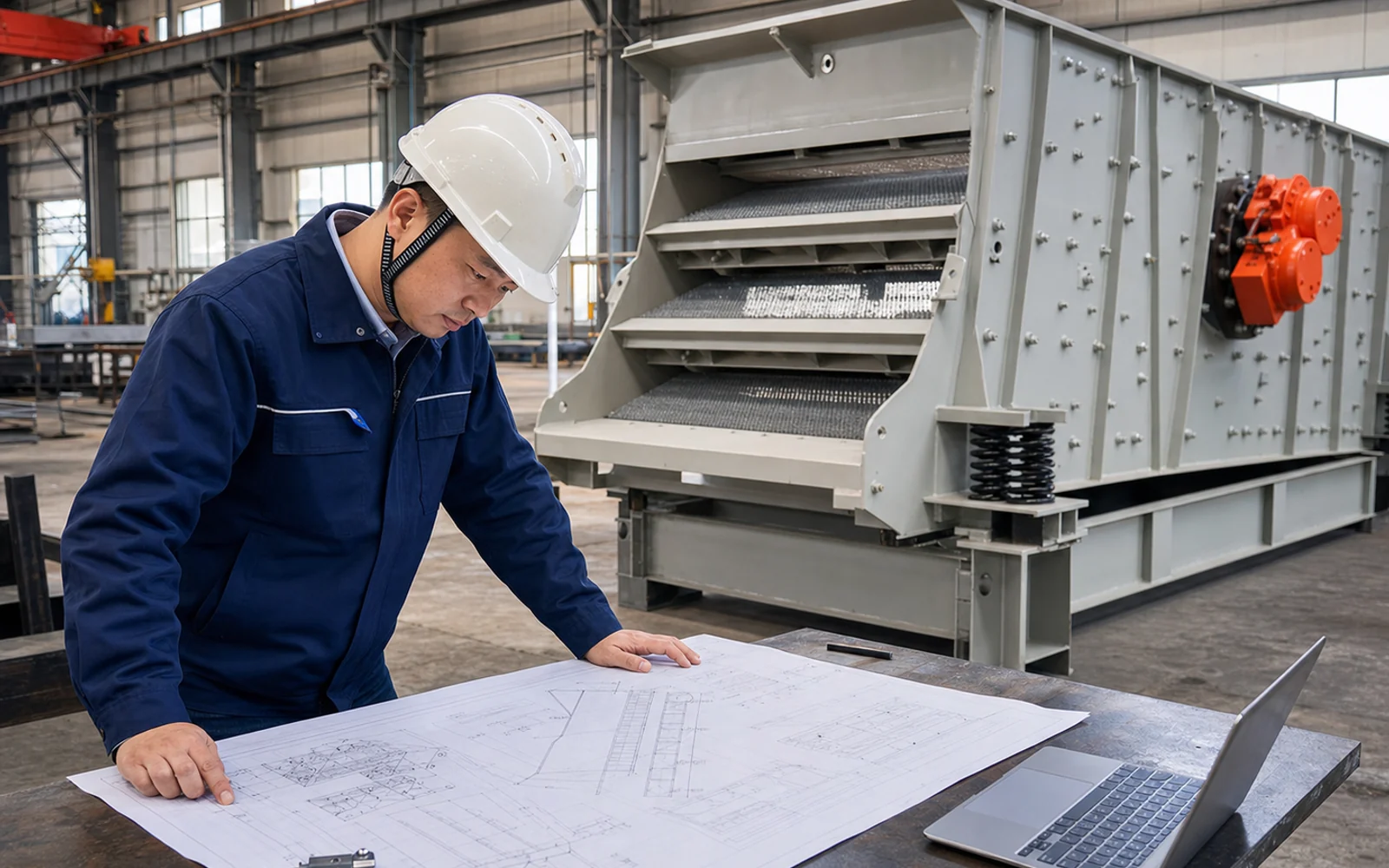
Provide the material type, maximum feed size, moisture, fines content, bulk condition and any contamination that may affect feeding, blinding or washing.
List the target fractions, permitted oversize, fines handling and the method used to confirm the accepted result.
State the required throughput range, hours per shift, expected feed variation and any standby or peak-duty requirement.
Show the loading method, available envelope, support conditions, access, stockpile positions and any conveyors, chutes or bins connected to the plant.
Mobility, relocation frequency, feed method and discharge points determine the basic arrangement. The images show project routes, not fixed ROCKVANTA models.
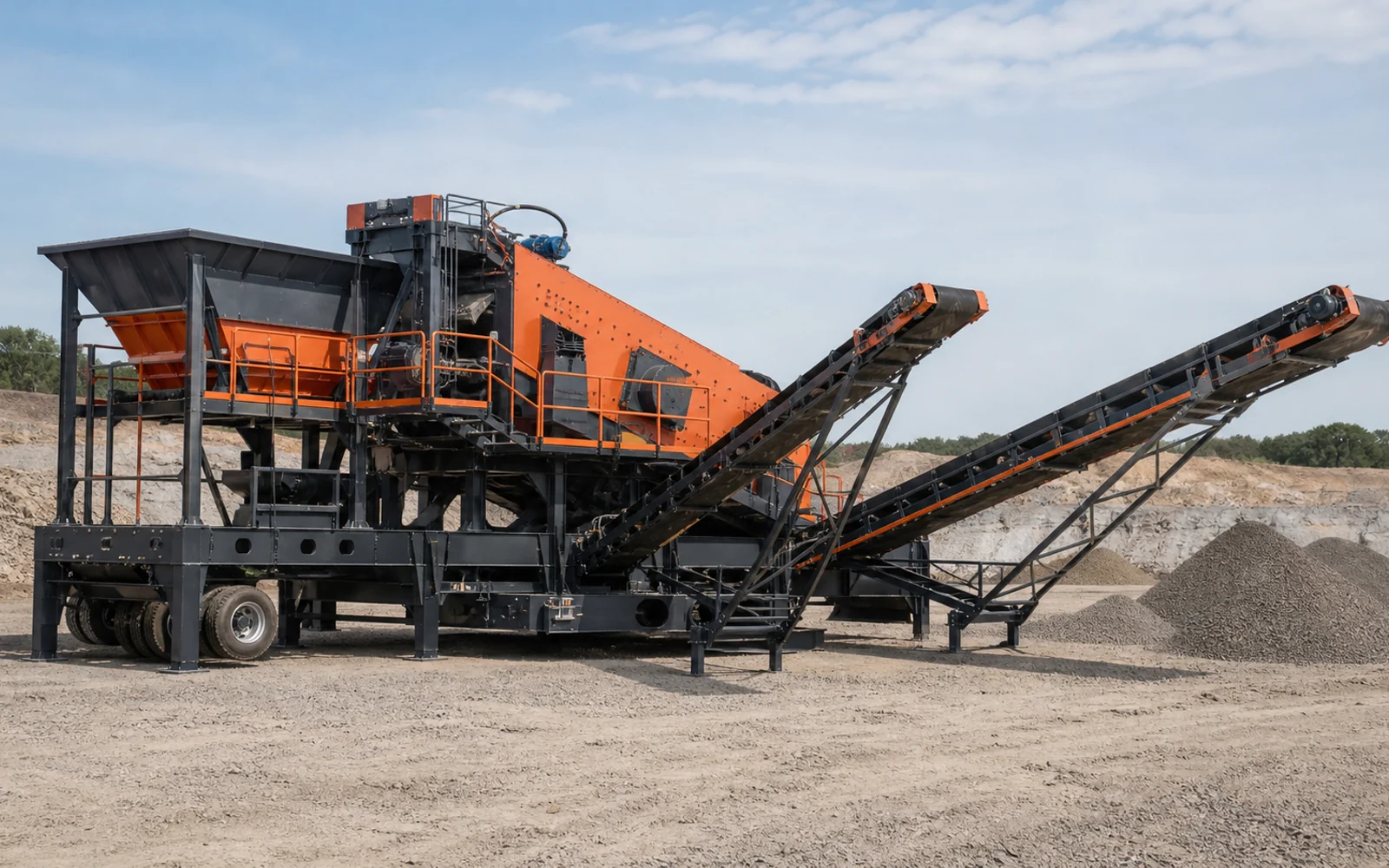
For equipment moved between prepared positions or installed on a project-defined support. Provide lifting or towing interfaces, support points, feed height, discharge geometry and transport restrictions.
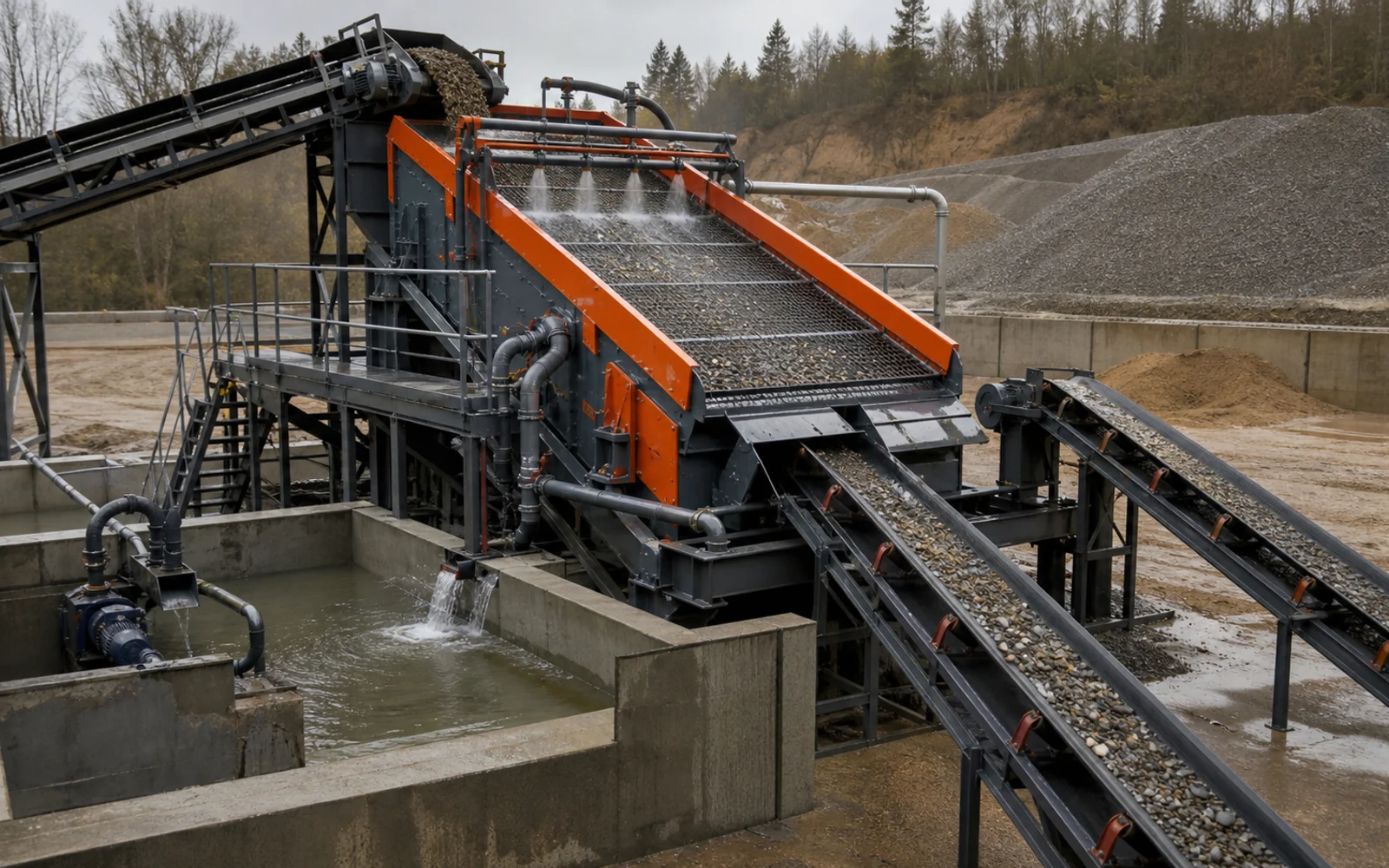
Where washing is required, confirm the water source, spray duty, collection and fines handling, discharge-water limits and the equipment included in the quoted scope.
For projects that require a self-propelled base and an integrated feed, screen and discharge arrangement. Define travel conditions, transport limits, working clearances and the position of adjacent equipment.
This page covers mobile, portable and plant-level screening arrangements with integrated feed and discharge equipment.
Use the machine page for a compact or static screening unit where plant mobility and integrated conveyors are not the main procurement decision.
Use the component page for replacement screen media, apertures, polyurethane panels and deck-interface parts.
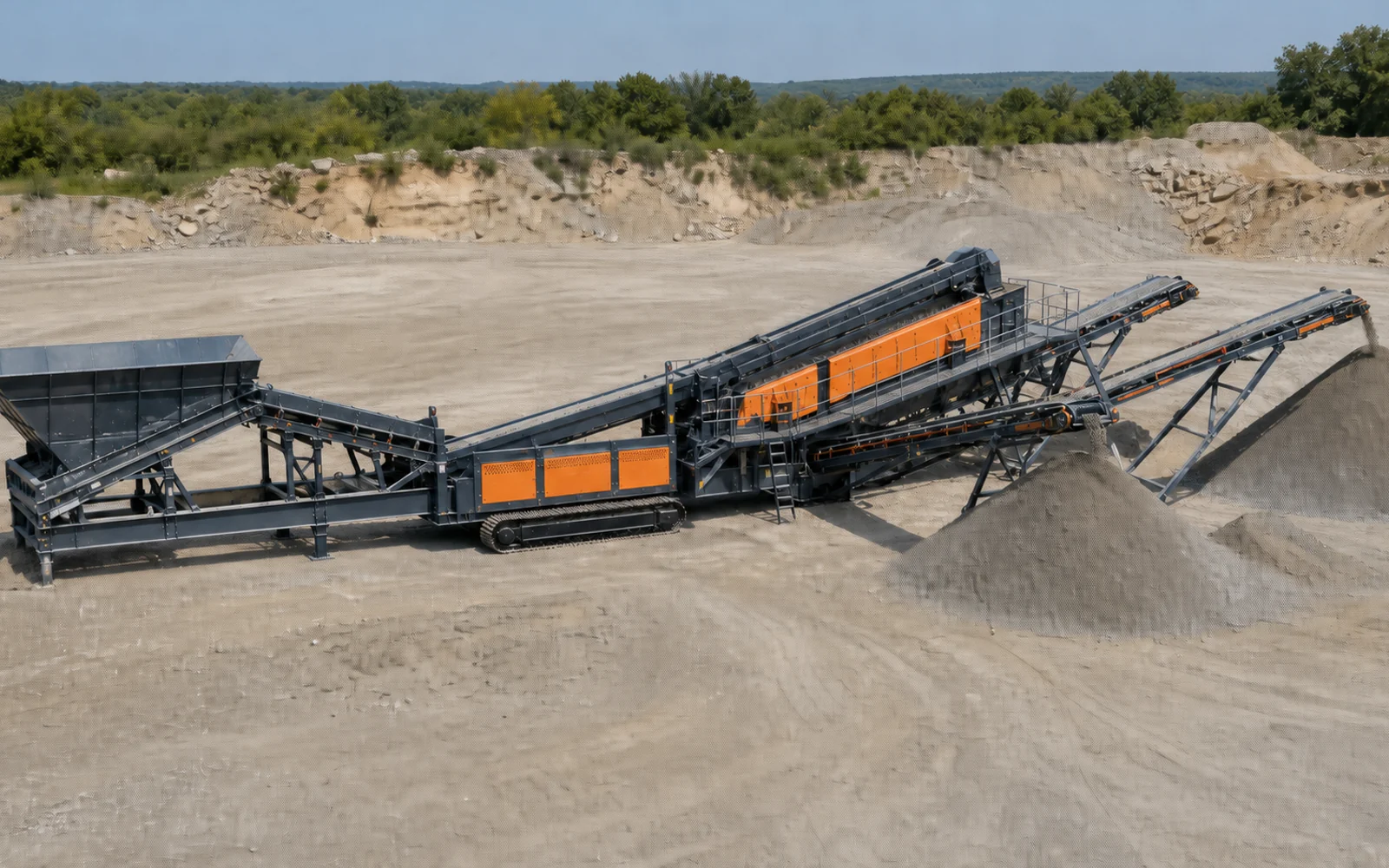
Define the loading method, hopper envelope, surge condition, feed-control method and any grizzly or protective section required before the screen.
State the number of fractions, target apertures, preferred media or reference deck and any access needed for inspection and replacement.
Confirm the outlet for each fraction, conveyor length and height, transfer points, stockpile envelope and any connection to downstream equipment.
Provide the available power source, control requirements, local conditions and water or pump references when wet screening is included.
ROCKVANTA reviews the approved drawings and quoted supply scope, then plans the fabrication, machining, assembly and supporting work included in the order.
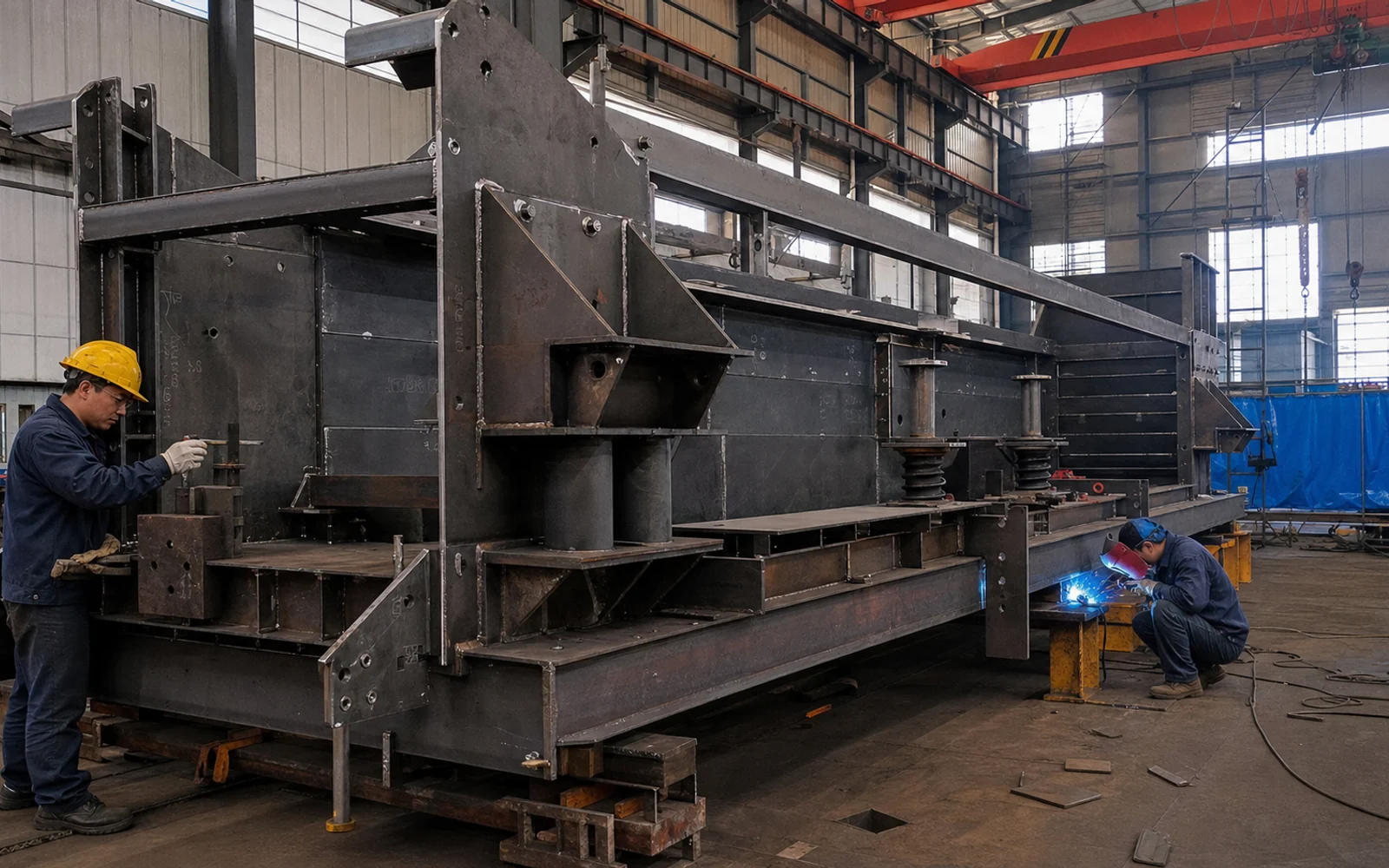
The general arrangement, screen box, hopper, conveyors, support structure, access and bought-in components are reviewed together before production planning.
Plate preparation, fit-up, welding, controlled interfaces and access points are planned around the approved drawings and agreed inspection points.
Included conveyors, guards, platforms, power and control components are assembled to the quoted scope. Shipping condition, loose items and packing are confirmed before dispatch.
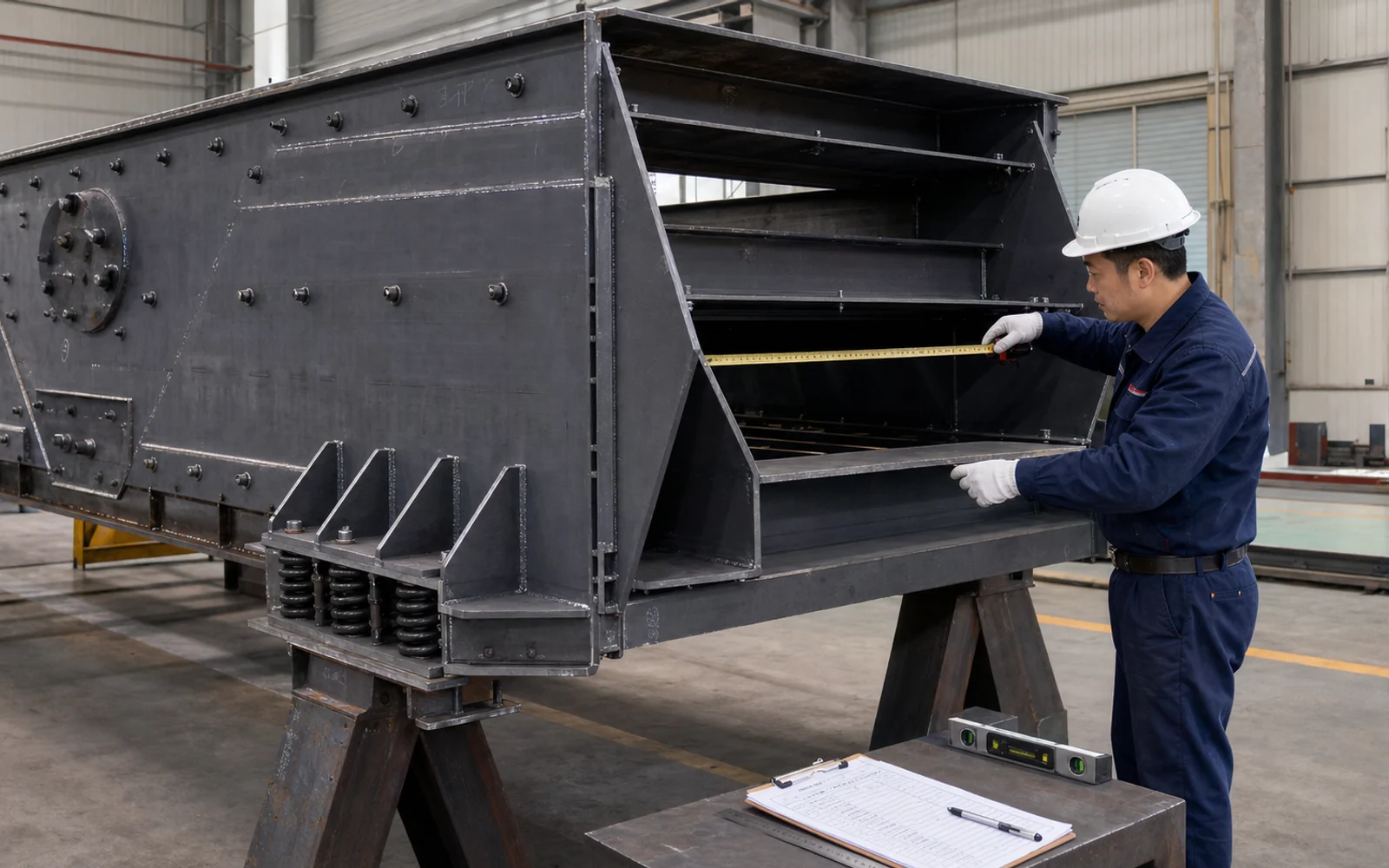
Inspection is tied to the approved drawings and deliverables. Depending on the project, the plan may include structure dimensions, deck and discharge interfaces, assembly checks, rotation or no-load checks, material and welding records, identification and packing records.
Critical dimensions, support points and interfaces
Material, fabrication and purchased-component records
Assembly, guarding and agreed functional checks
Identification, documents, loose items and packing
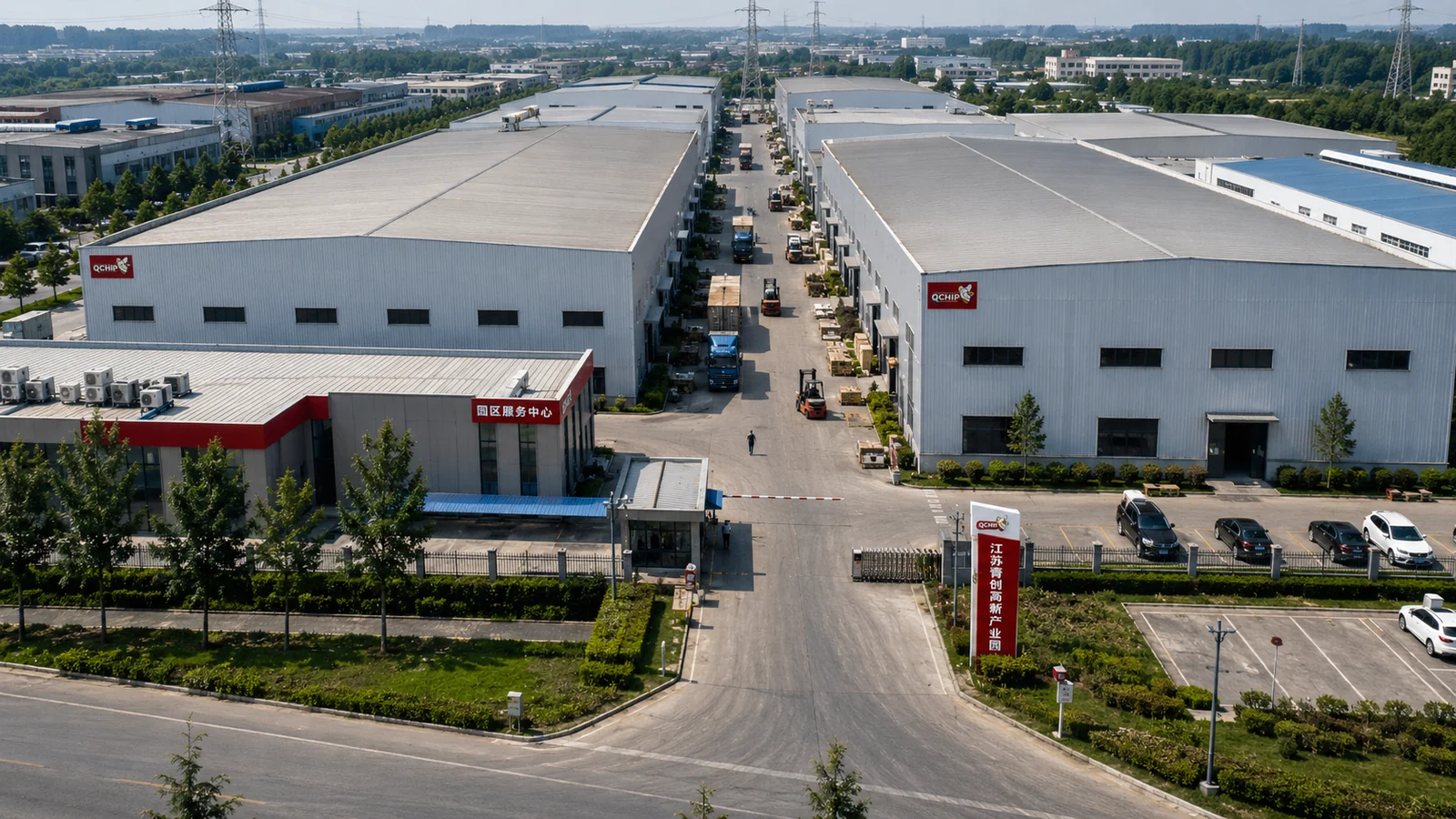
ROCKVANTA owns and operates five specialized manufacturing bases. The team reviews the plant drawings, fabrication, machining, assembly, inspection and schedule requirements, then selects the most suitable base and coordinates any supporting work internally.
Available capacity, process coverage and timing are confirmed for the specific RFQ.
Review the Manufacturing Base NetworkReview the plant definition and schedule
Select the relevant manufacturing base
Coordinate the included manufacturing processes
Confirm Inspection Records and Packing Requirements
Attach the available drawing, reference machine, site layout and material information. The engineering and procurement teams will identify any missing details before preparing the quotation.
Material type, feed condition and maximum size
Target fractions, permitted oversize and acceptance method
Required throughput range and operating pattern
Preferred mobility and transport restrictions
Feed hopper and loading method
Screen decks, media or reference arrangement
Discharge conveyors, stockpiles and downstream interfaces
Power, controls and washing requirement
Quantity, destination, inspection, documents and packing