
Excavator Track Shoes: Width, Grouser and Fit Selection
Weigh shoe width against ground conditions, compare grouser profiles and verify the mounting fit.
Compare component types, check the interfaces that matter and prepare the information a supplier needs to quote. Choose a topic to find the relevant guide.
Identify the part, its working surface and the dimensions that connect it to the machine.
Weigh shoe width against ground conditions, compare grouser profiles and verify the mounting fit.
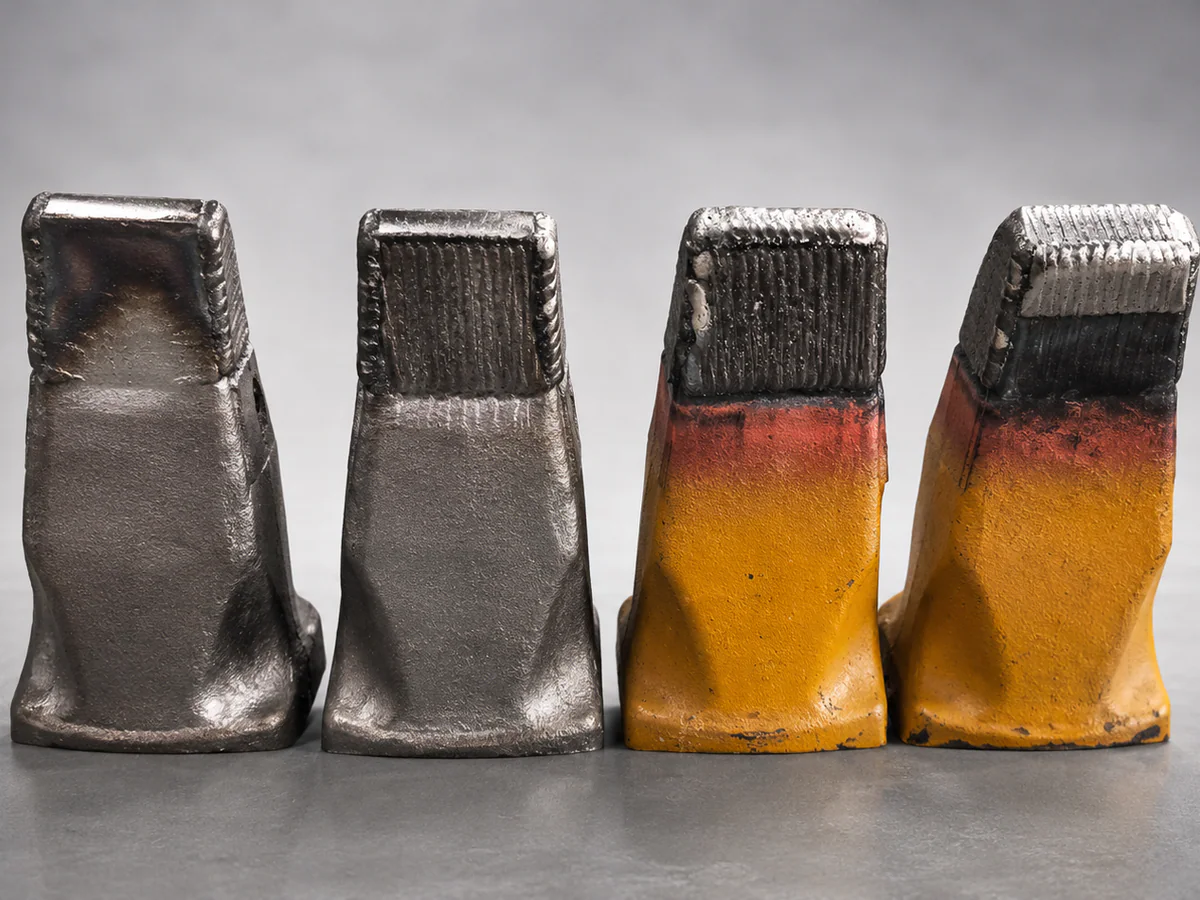
Read the worn tooth, compare working profiles and check the adapter and retention system.
Distinguish complete sprockets, rims and segments, then check chain engagement, mounting fit and wear records.
Find each roller on the track, distinguish its job and record the interfaces needed for a replacement.
Check the pin, bushing and housing together, including fits, material condition and lubrication.
Separate the component’s position on the conveyor from its construction and supply scope.
Compare carrying, return and impact idlers, then define whether you need a roller or a complete set.
Specify pulley position, shaft interfaces and lagging, with a checklist for comparing quotations.
Define frame loads, support positions, mounting interfaces and the supplied assembly condition.
Define the screening duty, then compare equipment, screening surfaces and deck interfaces.
Compare wire, polyurethane and rubber, then check open area, blockage and installed fit.
Understand the separation, question capacity figures and prepare the feed, product and site details.
Work through the load, access route and attachment requirements before comparing machines.
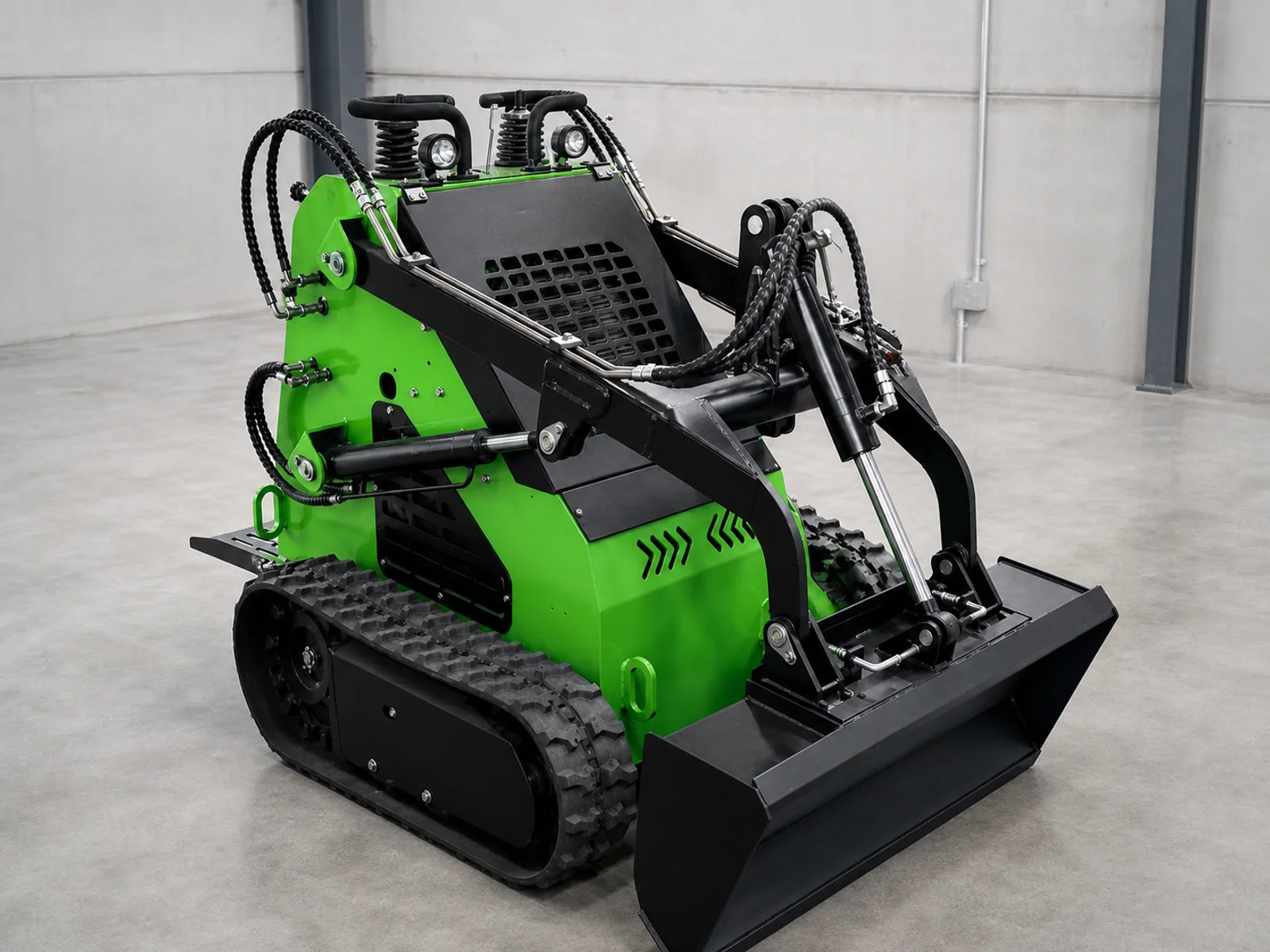
Check payload, travel width, tipping clearance and ground conditions for a mini crawler dumper.
Compare lift requirements, mounting interfaces and hydraulic needs for the machine and attachment.
Prepare controlled drawings, review manufacturing requirements and agree how the finished parts will be accepted.
Control drawing versions, resolve quotation questions and agree first-article checks, changes and delivery records.
Separate surface hardness, hardening depth and core requirements, then agree finishing and acceptance checks.
Distinguish the finished part, incoming blank and machining setup, then define the acceptance checks.
Define shaft fits, datum references, runout and the final material condition before requesting a quotation.
Send the drawing, a reference photograph or the details you already have.