
Part definition
Drawing, sample, revision and critical geometry
ROCKVANTA supports buyers looking for an induction hardened parts manufacturer or project-specific heat-treatment support. Start with the material, supplied condition, area to be treated, required result and the operations that follow.
Drawing, sample, revision and critical geometry
Grade, supplied condition and prior processing
Hardness or another specified performance target
Area to treat and case depth where relevant
Machining, finishing, inspection and assembly
Induction hardening and furnace heat treatment address different part requirements. ROCKVANTA reviews the approved part information to select the applicable method.
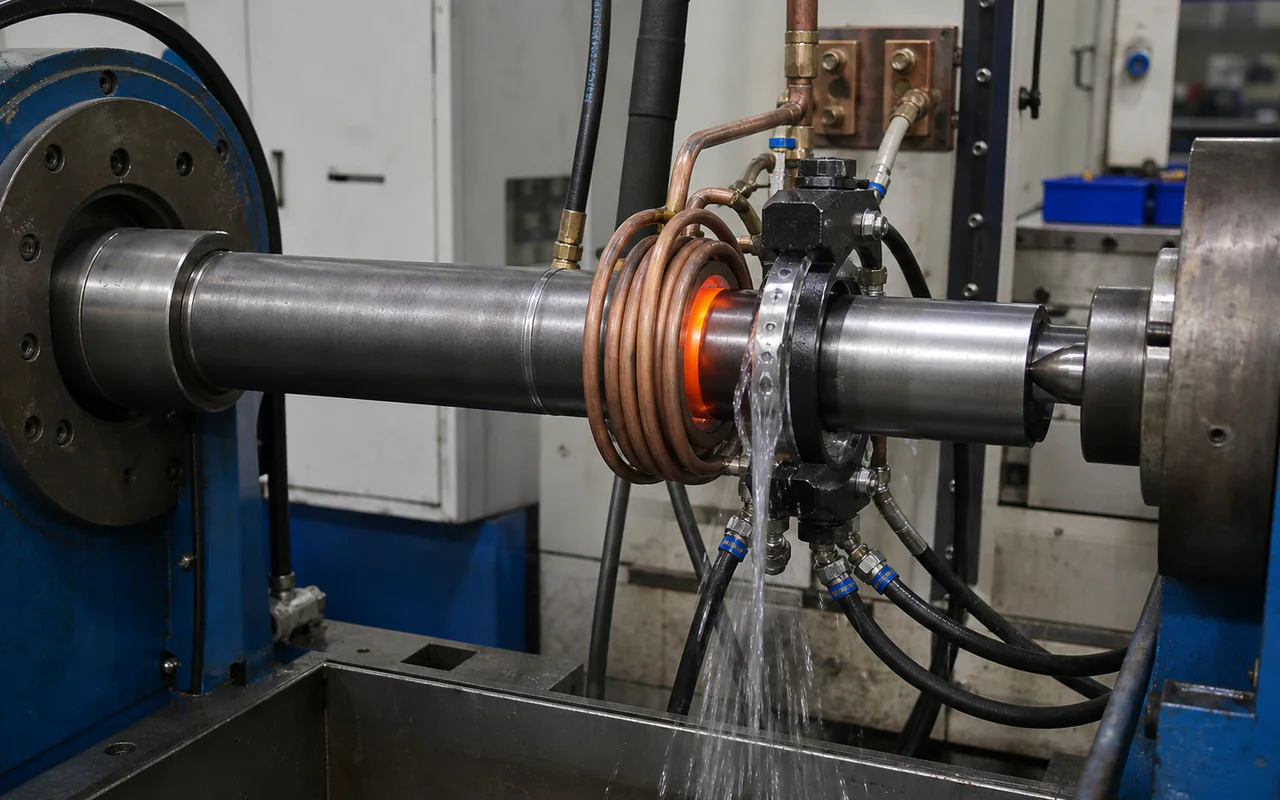
Use the drawing to identify the surface or zone that needs treatment, the material condition, the required result and any relationship that must be protected. Coil, setup, process and verification requirements are reviewed for the specific part.
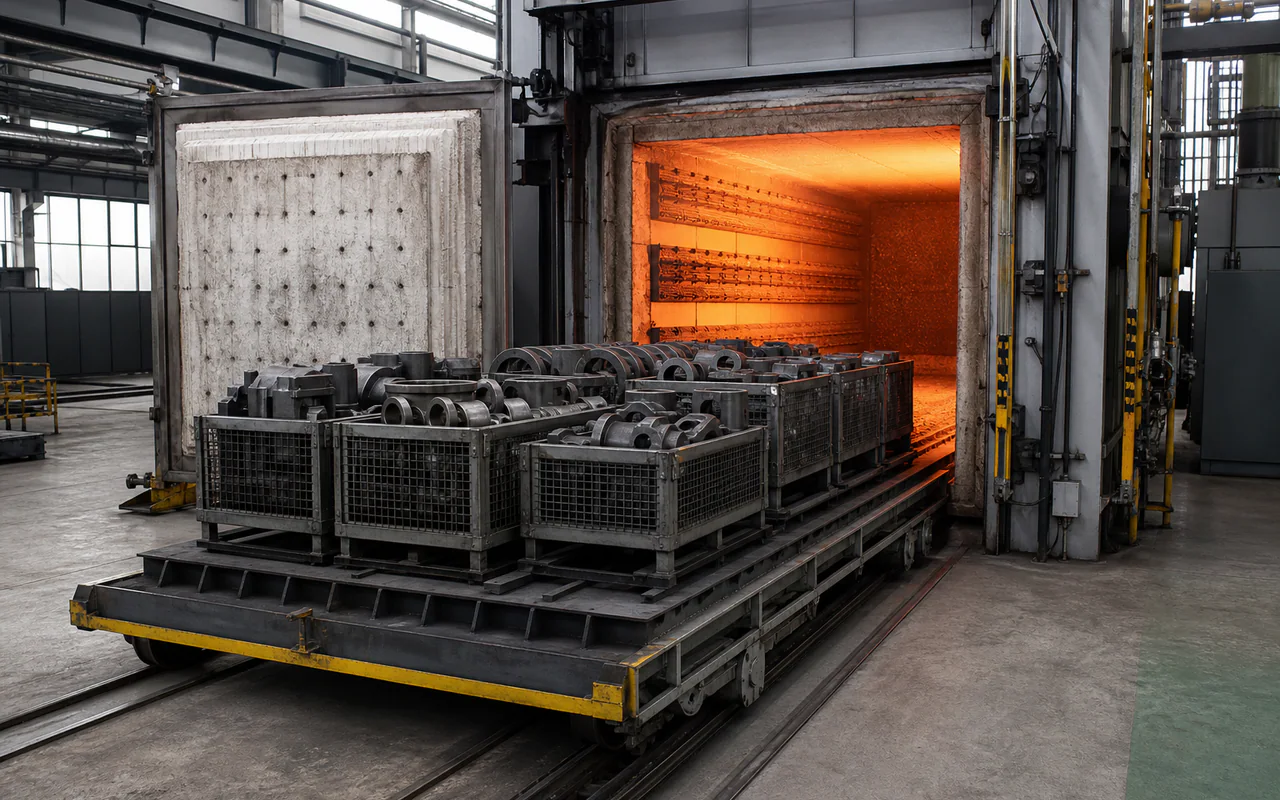
Use the drawing and material definition to review whole-part or batch treatment where applicable. Part geometry, loading, distortion risk, required condition and subsequent machining or finishing must be considered together.
Material range, temperature, cycle, hardness, case depth, distortion allowance and batch arrangement are confirmed for the quoted part and treatment method.
Provide the grade, supplied condition, treated zones and hardness requirements. We check the load arrangement and treatment route, then confirm the process and inspection points for your part.
Working space, loading, temperature and hardening depth describe separate equipment or process references. The material and part geometry determine the achievable combination.
Define the material, supplied condition, treatment area and required result before process planning.
State the grade, prior treatment and the condition in which the part reaches the process.
Provide the required hardness or performance result and the applicable test method.
Mark the surface, depth or area that matters and any nearby interface that must be protected.
Identify later machining, grinding, coating, inspection or assembly that may change the sequence.
Flag every open hardness or case-depth requirement for technical review.
A useful process plan links the approved part information, treatment method and required acceptance records.
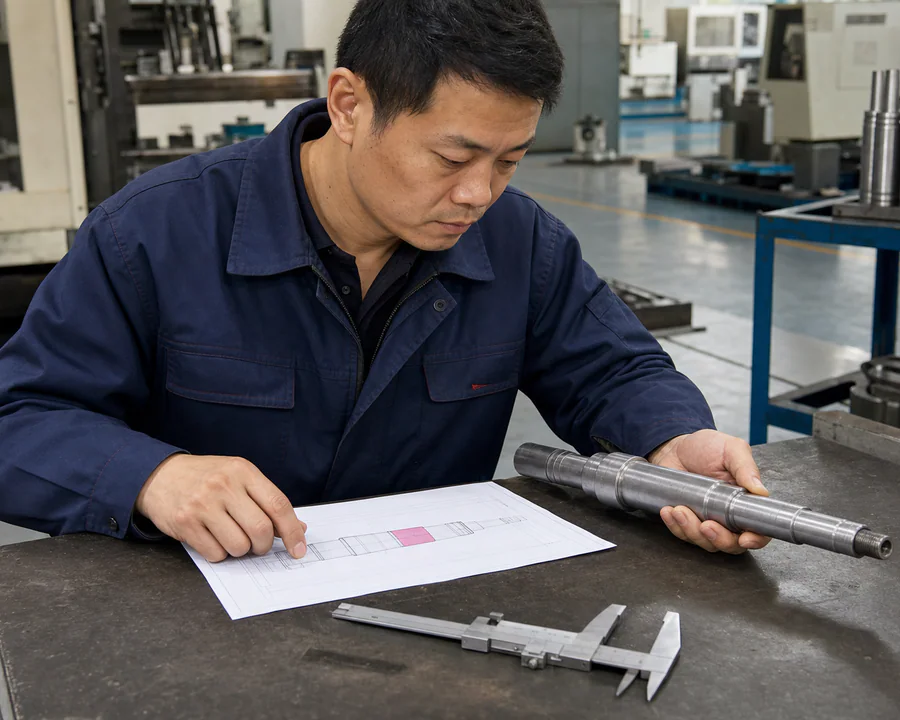
Confirm the drawing, revision, material, supplied condition, treatment zone and quantity.
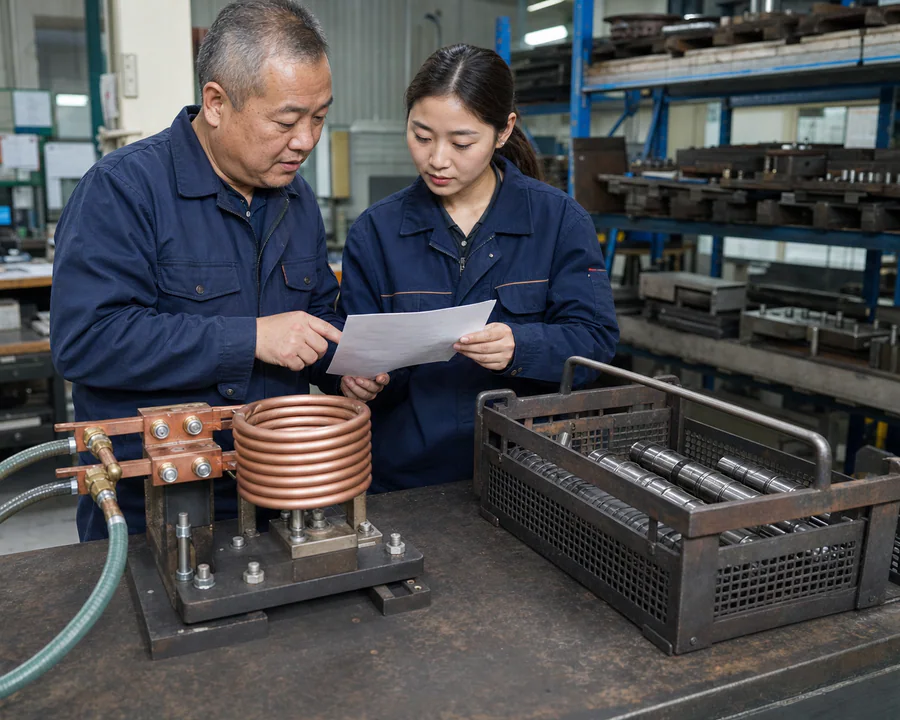
Review whether induction hardening, furnace treatment or another project-specific path is relevant.
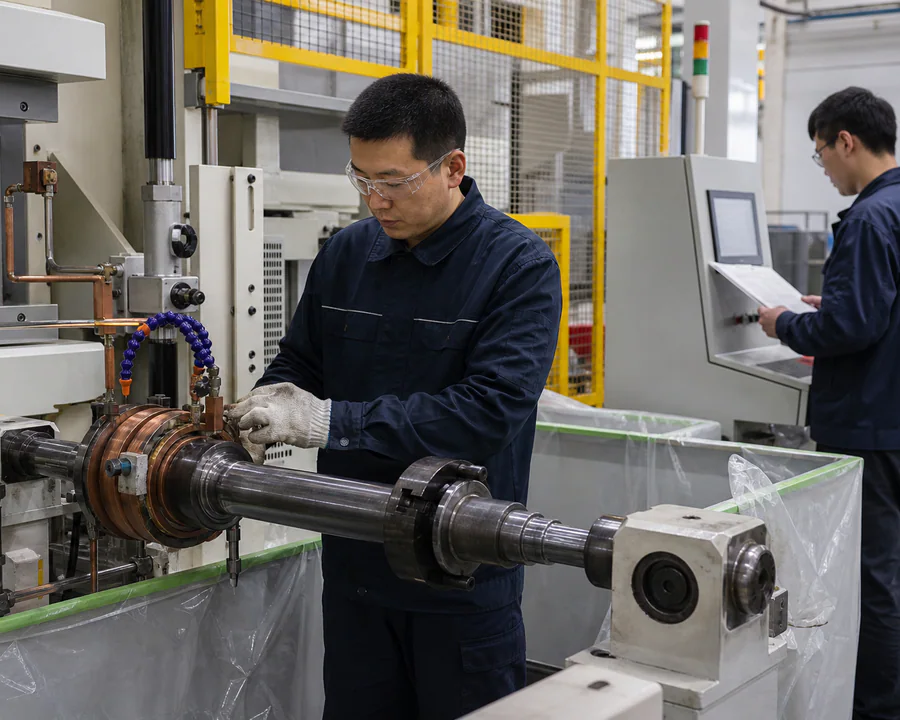
Confirm the sequence, handling, protection, follow-on work and required in-process controls.
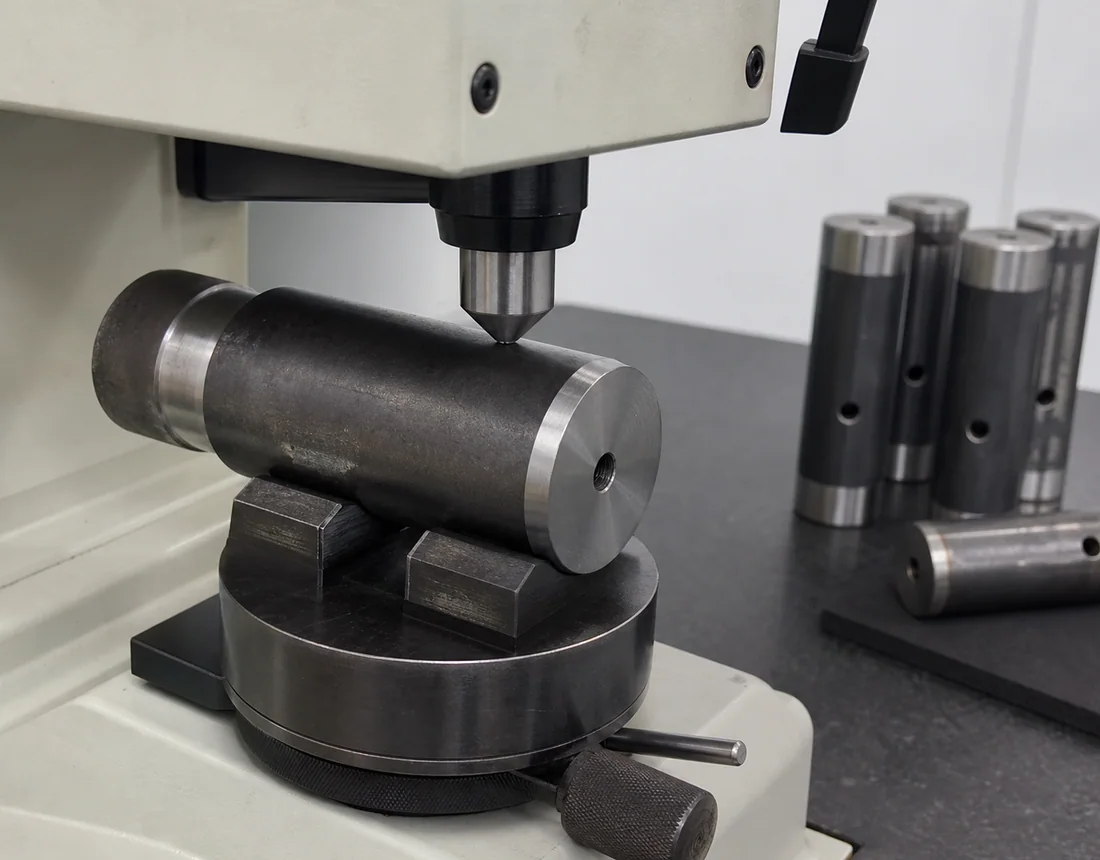
Complete the specified inspection and connect the agreed records to part identification and release.
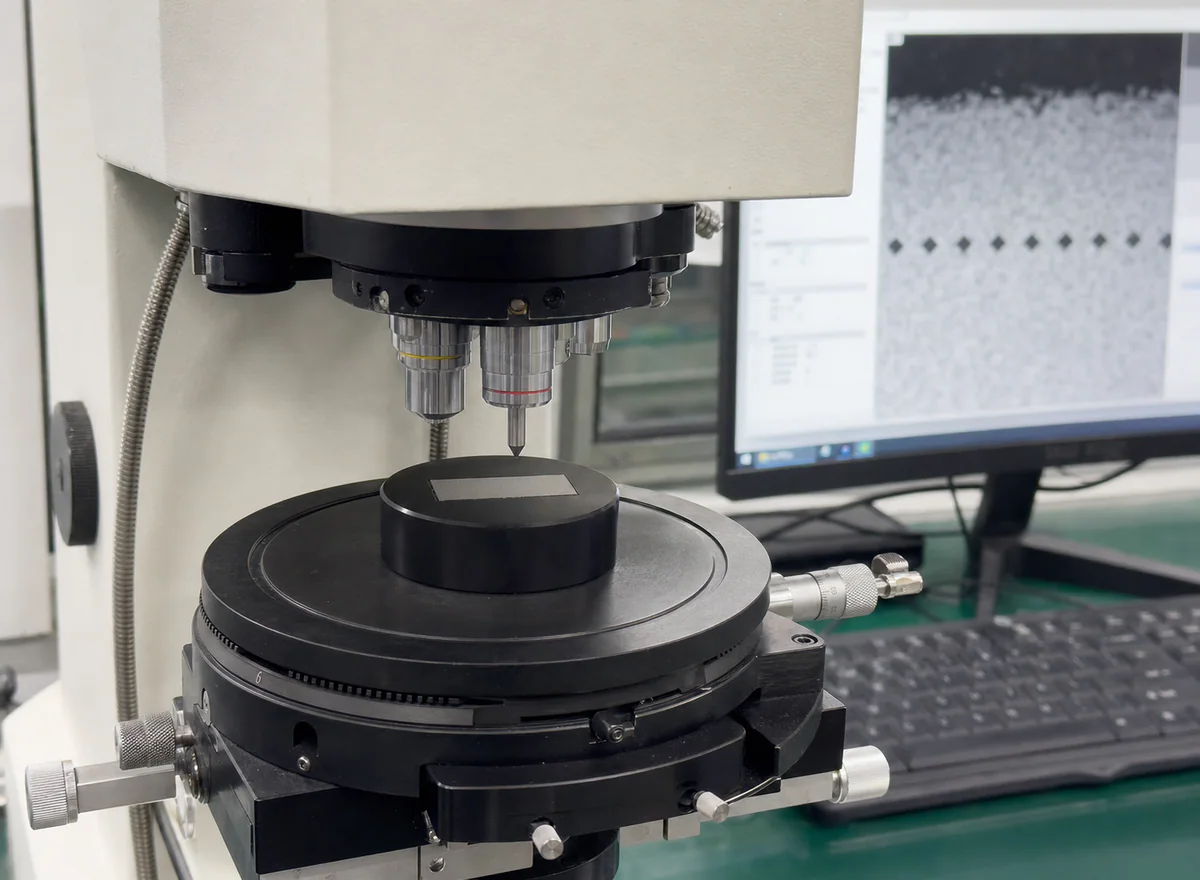
Inspection follows the quoted requirement. Depending on the part and order, the plan may include hardness testing, dimensional checks, NDT or other agreed records where applicable.
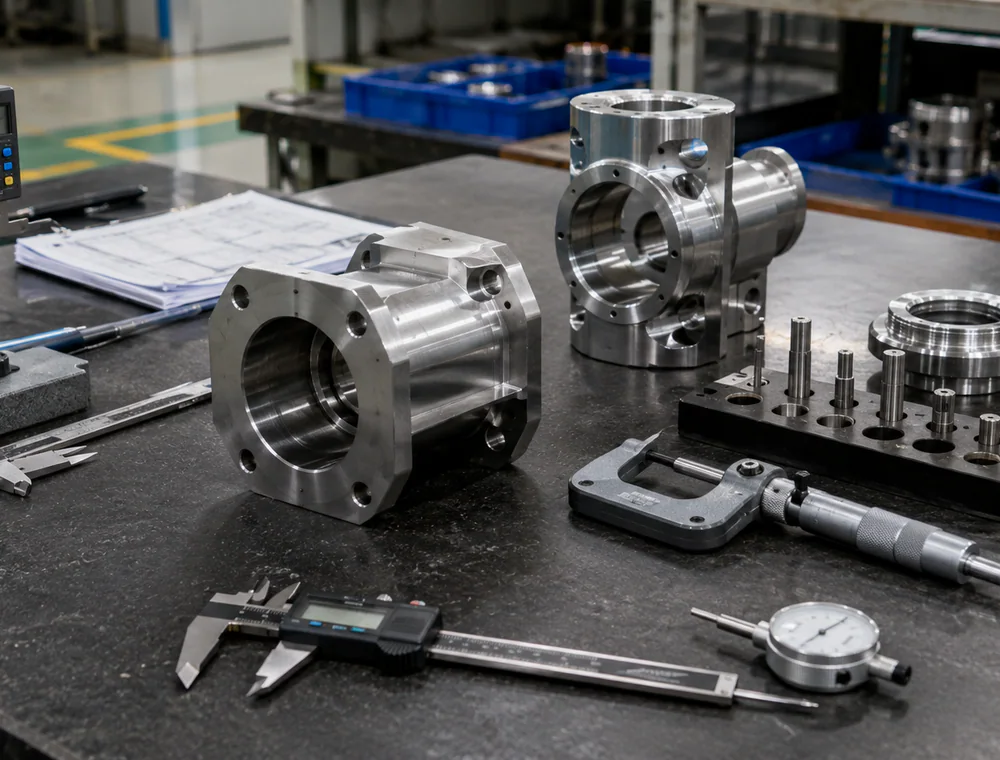
Confirm the applicable method, location, frequency and record requirement for the quoted scope.
Identify features that need checking before or after treatment because they affect fit or later machining.
Define the method, acceptance reference and report requirement before work begins.
Agree the material, process, inspection and identification records that must travel with the order.
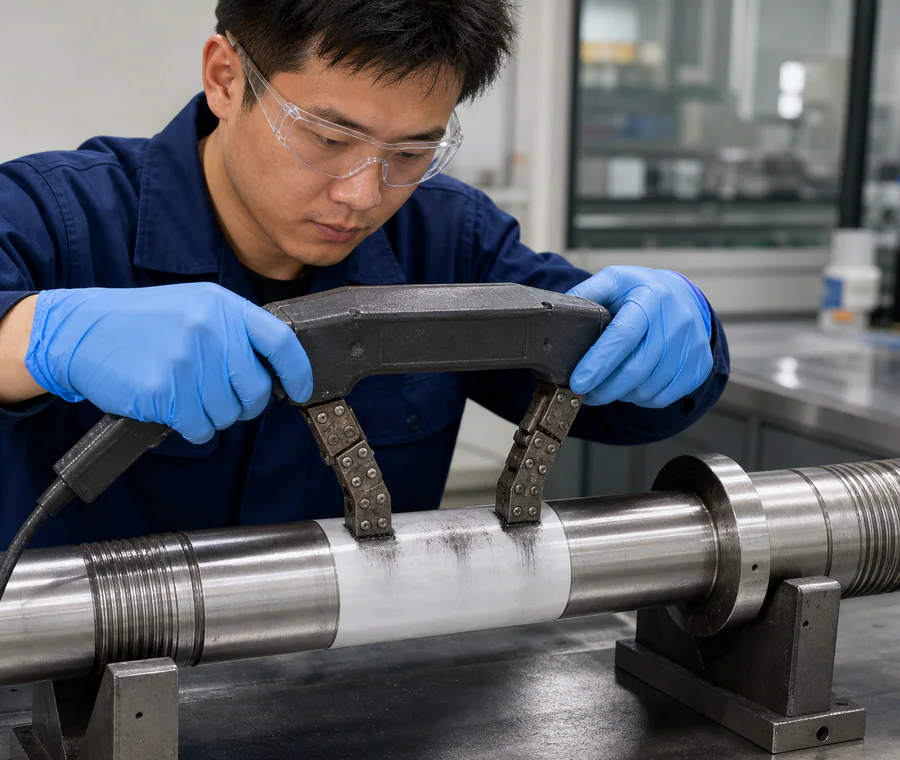
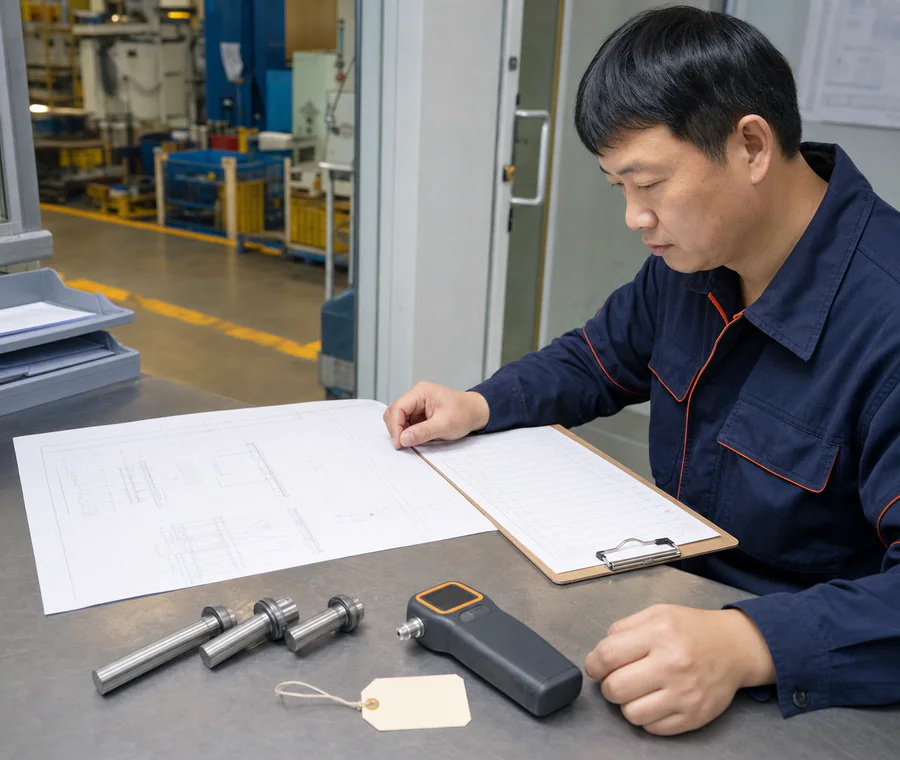
If required, the buyer may arrange an inspector, nominate an inspection body or ask ROCKVANTA to coordinate with a suitable provider. Timing, scope and cost must be agreed before the order or shipment. Inspection, reinspection and report fees are buyer-paid.
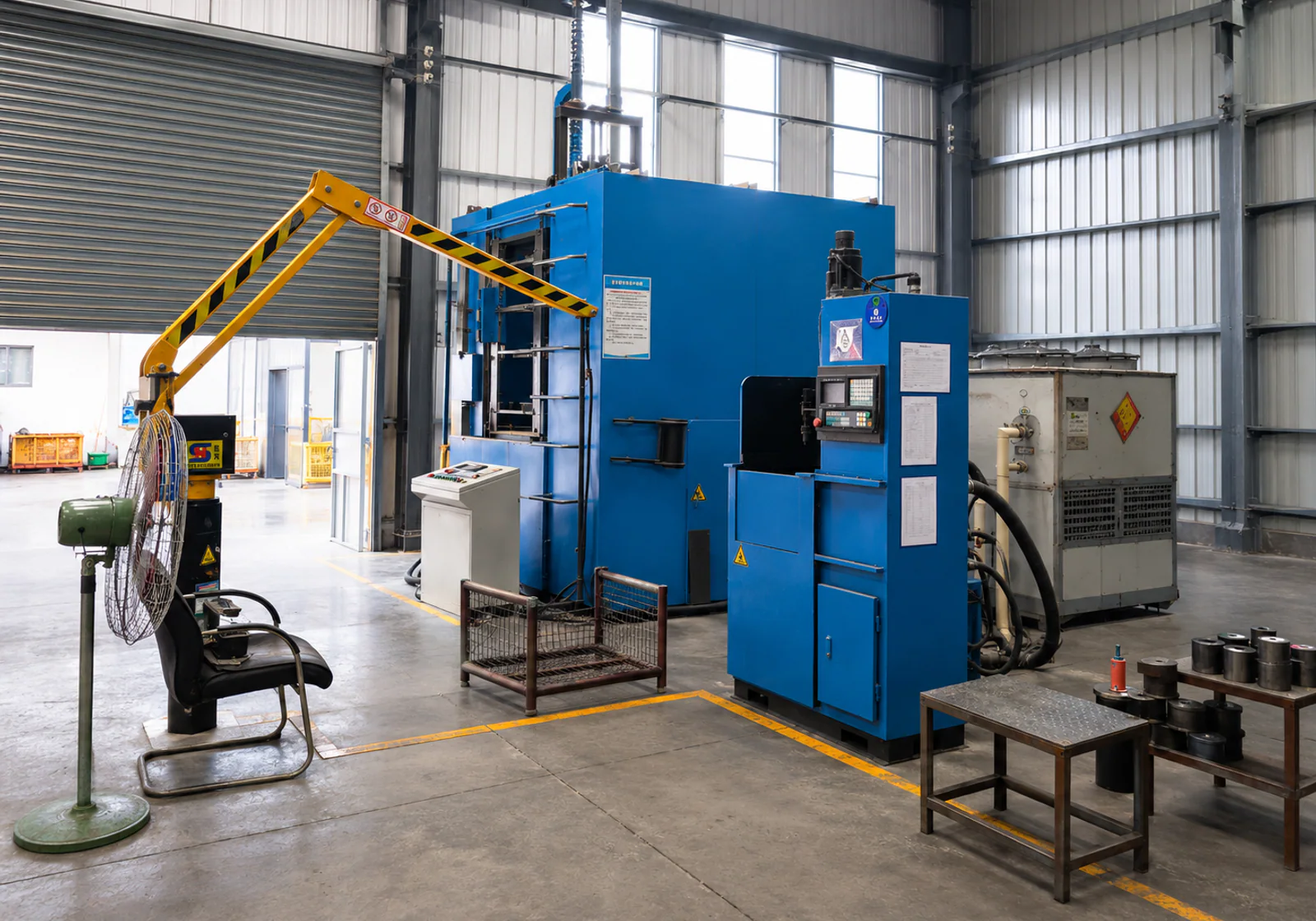
ROCKVANTA owns and operates five specialized manufacturing bases. Our team reviews the part, material, treatment, inspection and project requirements, assigns the relevant base and coordinates any supporting work.
Heat-treatment equipment, production scope, available capacity and timing are confirmed for the specific RFQ.
How We Select a Manufacturing BaseReview the approved part definition.
Assign the relevant manufacturing base and treatment method.
Coordinate machining, treatment, inspection and records.
Confirm packing and release requirements.
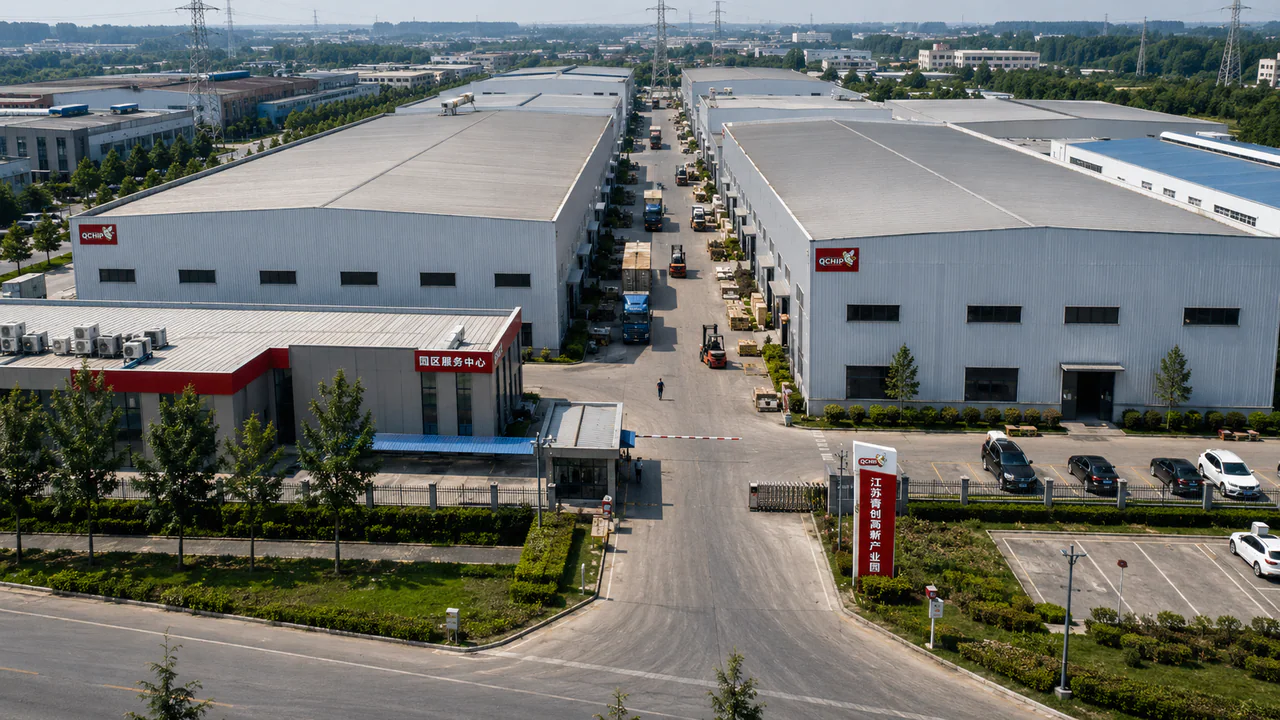
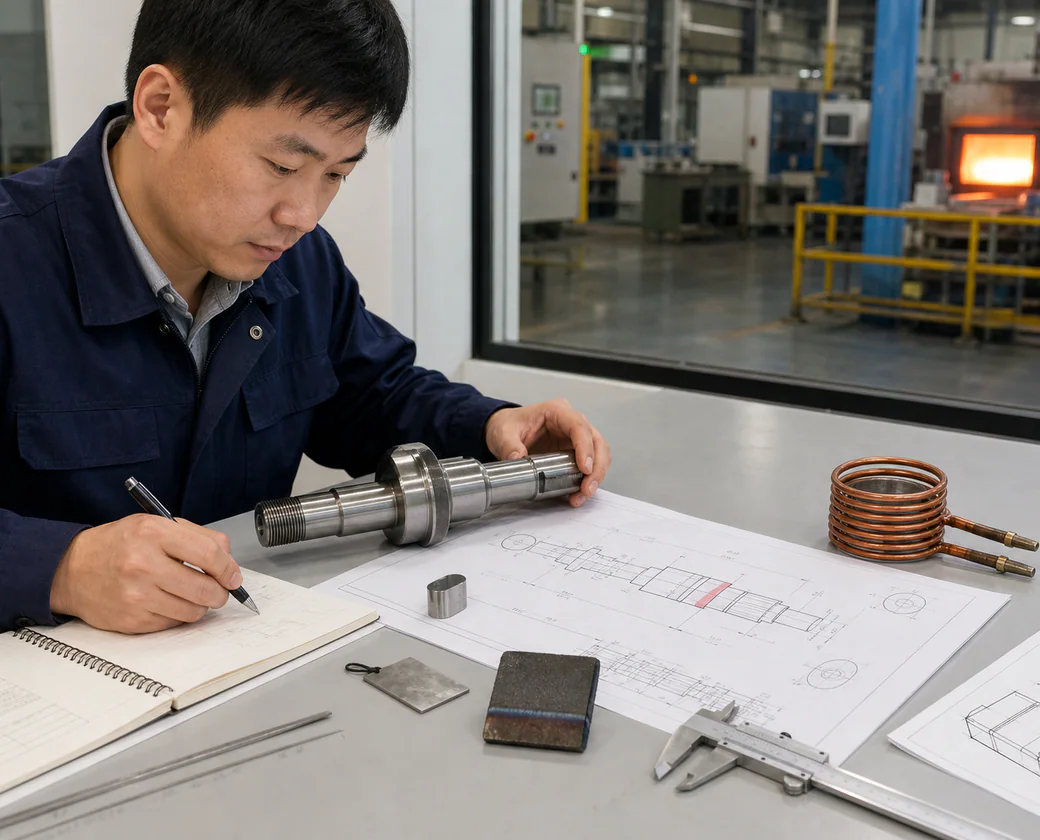
A useful RFQ shows the part before treatment, the result required after treatment and the work that follows. Mark any open point for technical review.
Specifying the hardened condition? Compare induction surface and through hardening