
Crusher
Type or model and the part’s working position
ROCKVANTA manufactures jaw plates, cheek plates and other drawing-defined crusher wear components for project supply. Send the crusher reference, part definition, material requirement, wear conditions and quantity so fit, production and inspection requirements can be reviewed before quotation.
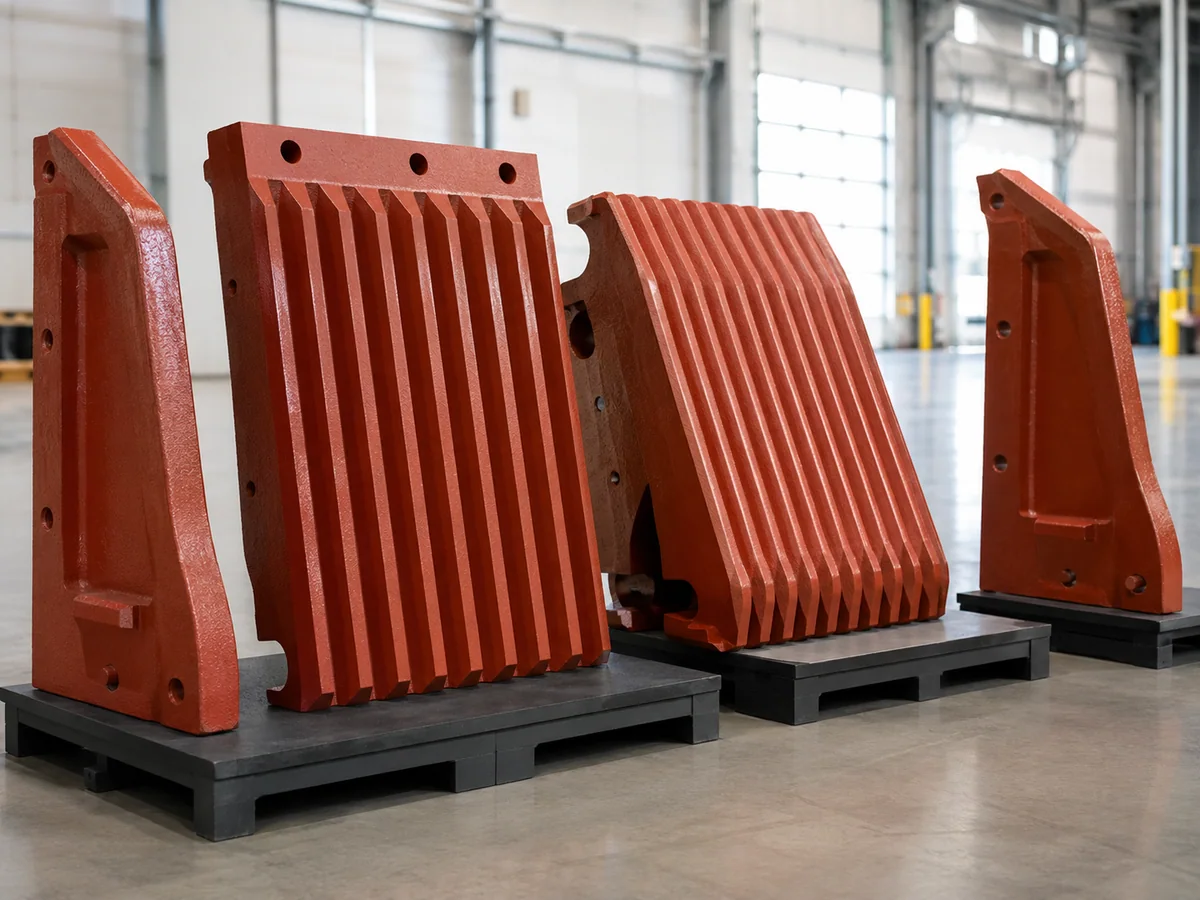
Type or model and the part’s working position
Drawing, part reference, sample or clear photographs
Mating dimensions, holes, profiles and clearances
Material, hardness, inspection and record requirements
Crusher liners and wear components vary by crusher type, part position, interface geometry and operating duty. Select the closest product family below, then define the actual part with a drawing, sample or approved specification.
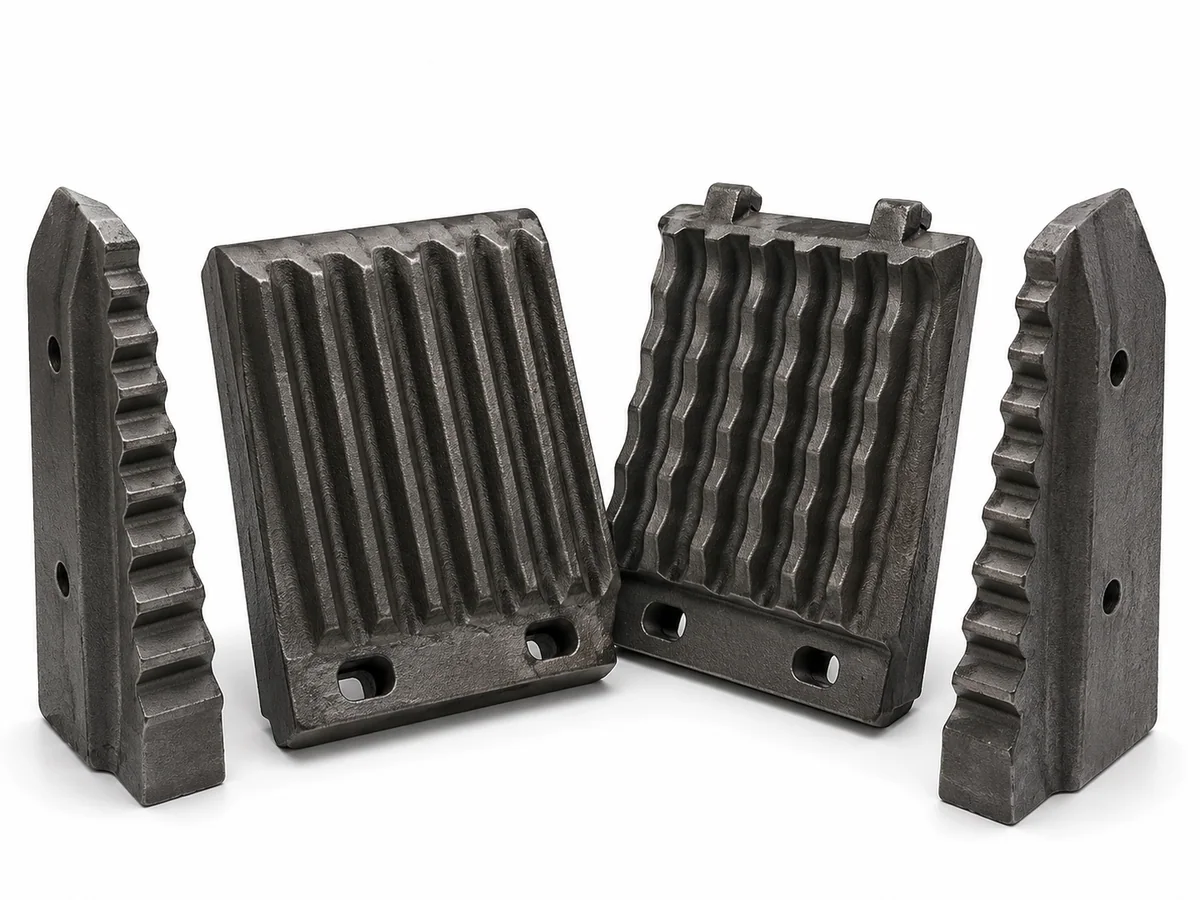
Jaw plates, cheek plates and related drawing-defined components are reviewed as a part and interface package. Send the crusher model or type, part position, drawing or sample, and the dimensions that must be retained.
Prepare a Jaw Parts Enquiry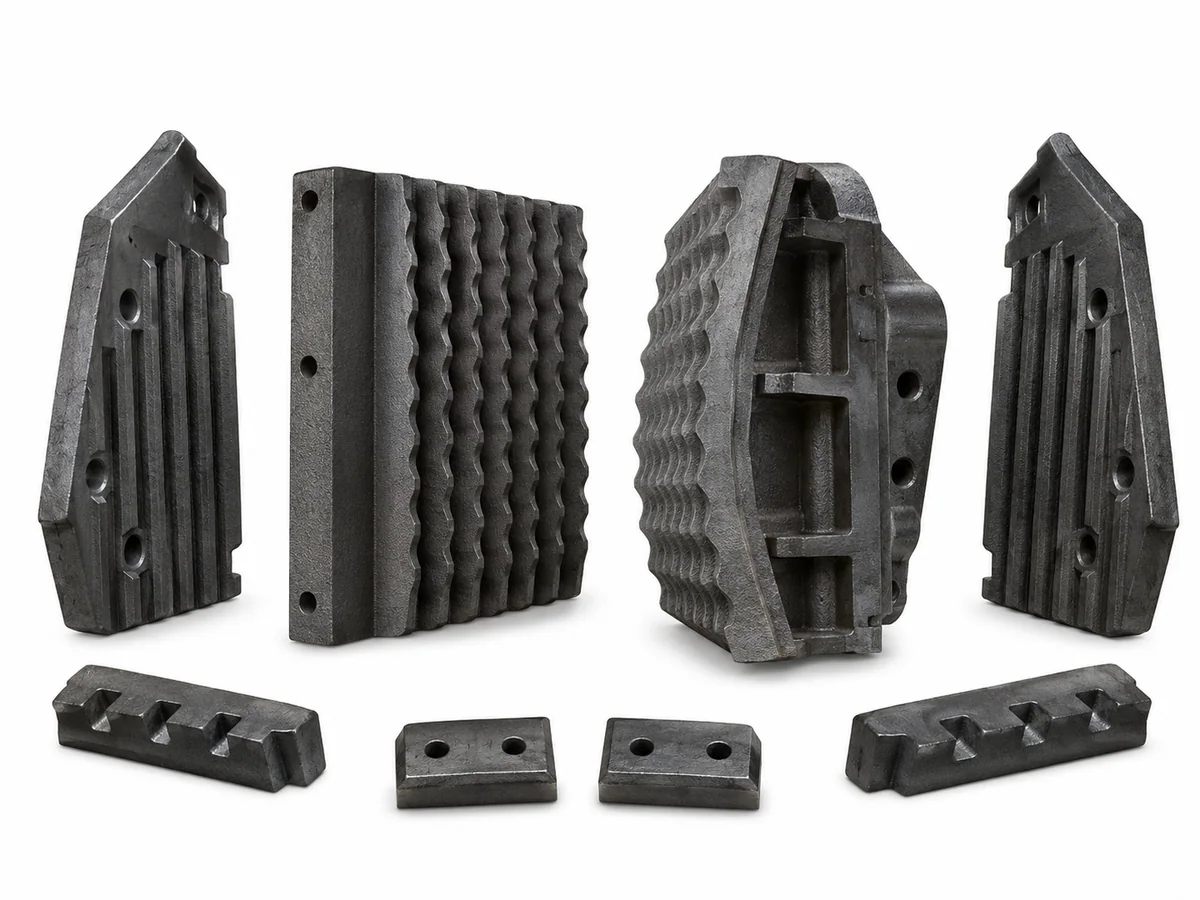
Cheek plates and other side-wear components are reviewed against their chamber position, fixing pattern, mating geometry and wear duty. Mark left- and right-hand orientation where it matters.
Define a Side-Wear Component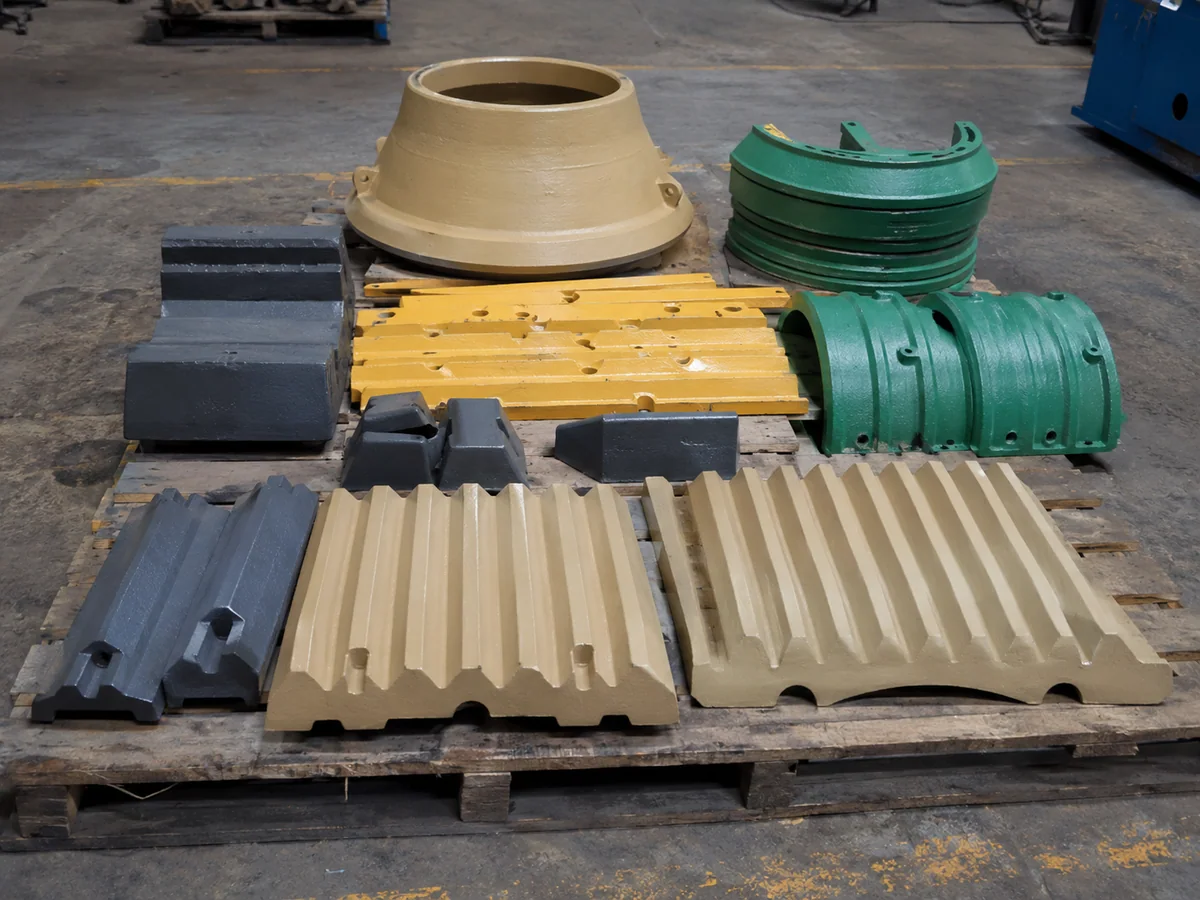
Other crusher parts can be reviewed from a current drawing, specification or usable sample. For cone crusher parts or impact crusher wear parts, identify the supplied component, equipment reference, installation position, interfaces and operating conditions.
Define Another Crusher PartROCKVANTA manufactures custom and project-based crusher parts. Model or brand references identify the application; the drawing, specification or sample defines the quoted component.
Send the crusher reference with the supplied component, drawing or sample and the features that control installation.
Identify the crusher type or model and where the part works.
Send the current drawing when available. A sample and clear photographs can support review where the drawing is incomplete.
Mark bolt holes, profiles, backing faces, clearances and adjacent interfaces that cannot change.
State any specified material, hardness or heat-treatment requirement, plus the material handled and the relevant impact or abrasion conditions.
Include enquiry quantity, project stage, inspection records, destination and packing requirements.
Use the model reference to identify the application, then provide the critical dimensions or an approved sample.
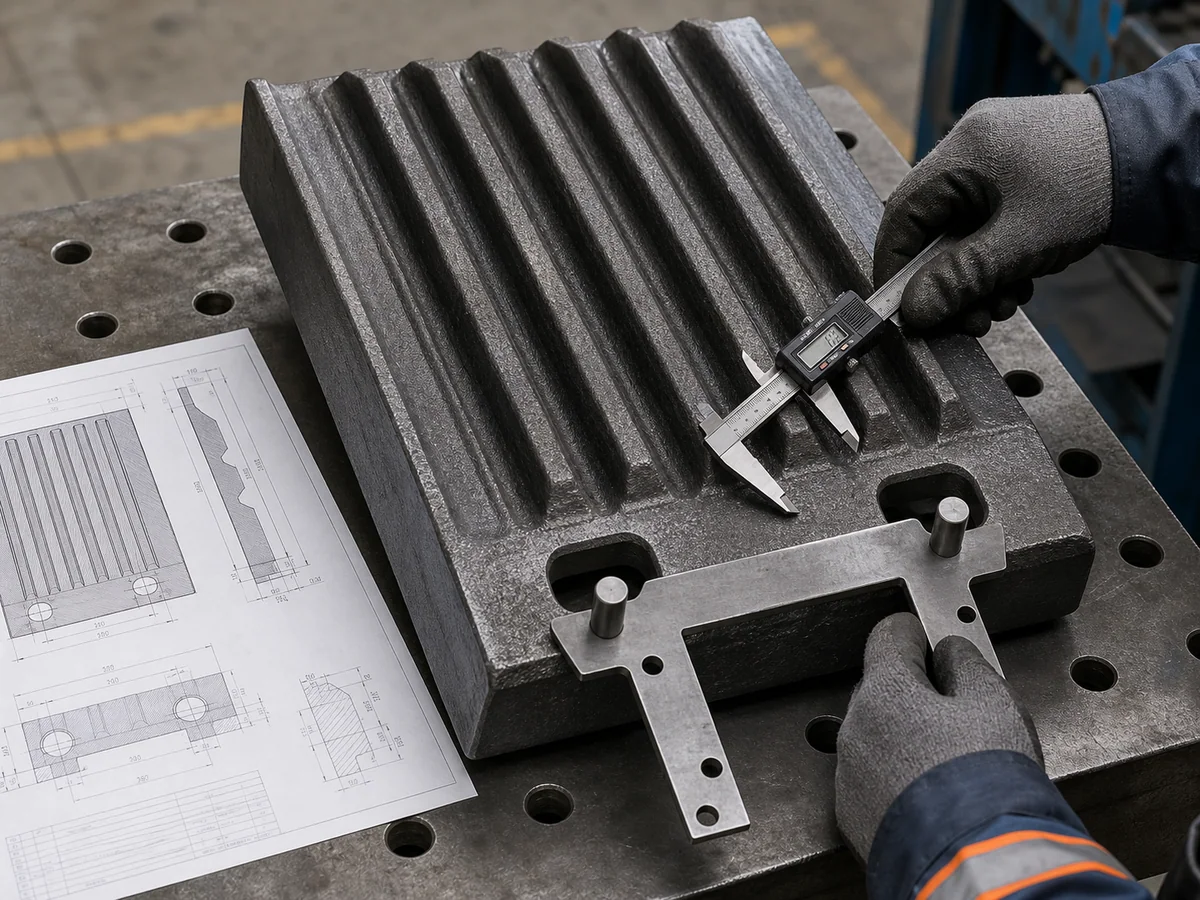
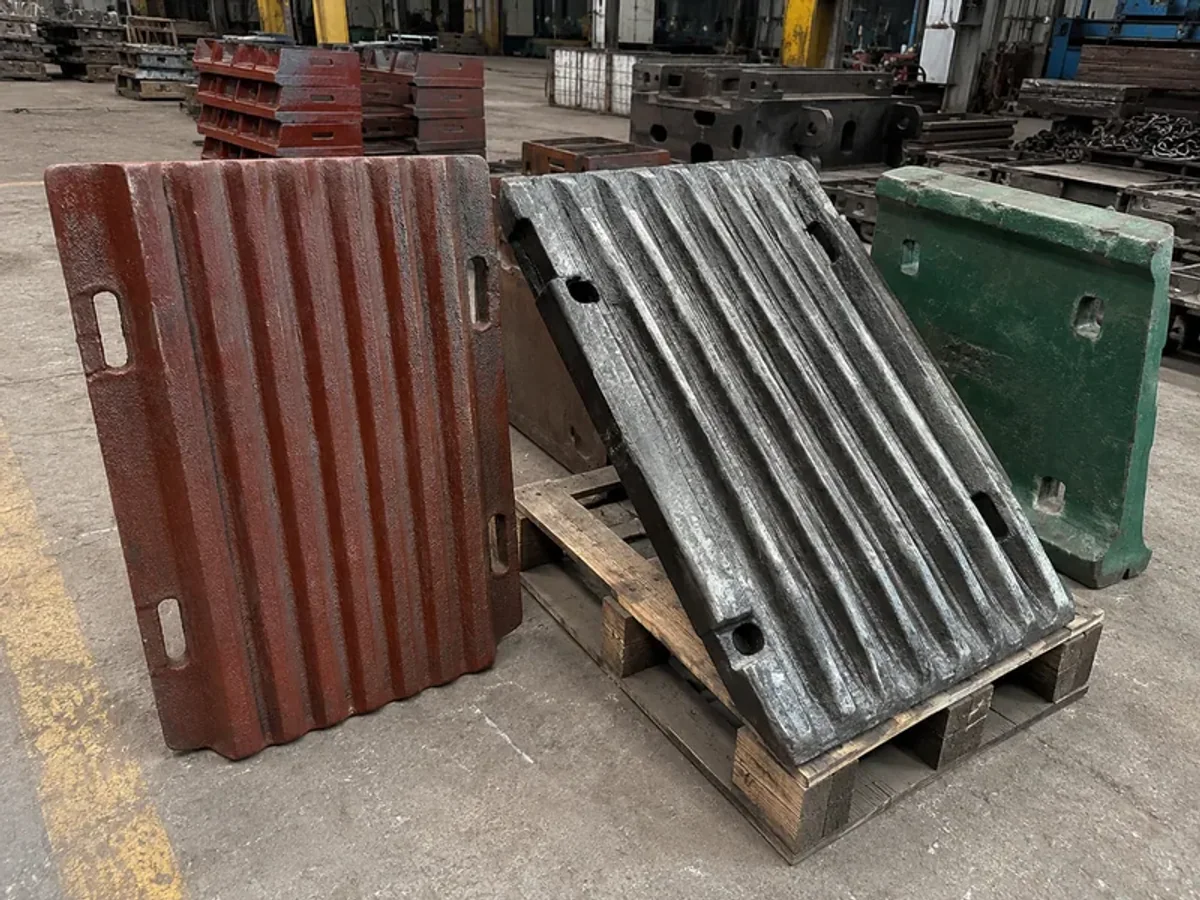
There is no single material or hardness rule for every crusher wear part. The review needs to connect the supplied part to its wear position, handled material, impact and abrasion conditions, existing requirement and previous service observations.
Where the drawing or specification defines the material, hardness, heat treatment or surface condition, send those requirements with the enquiry. Where they are open, ROCKVANTA reviews the available operating information and confirms the proposed production and inspection scope for that project.
Material grade, hardness, heat treatment and related records are quoted only after the part definition and project requirements have been reviewed.
The drawing or sample, material notes, interfaces, quantity and agreed acceptance criteria define the production plan.
Resolve the component identity, critical dimensions, mating features, material notes and open technical points before production planning.
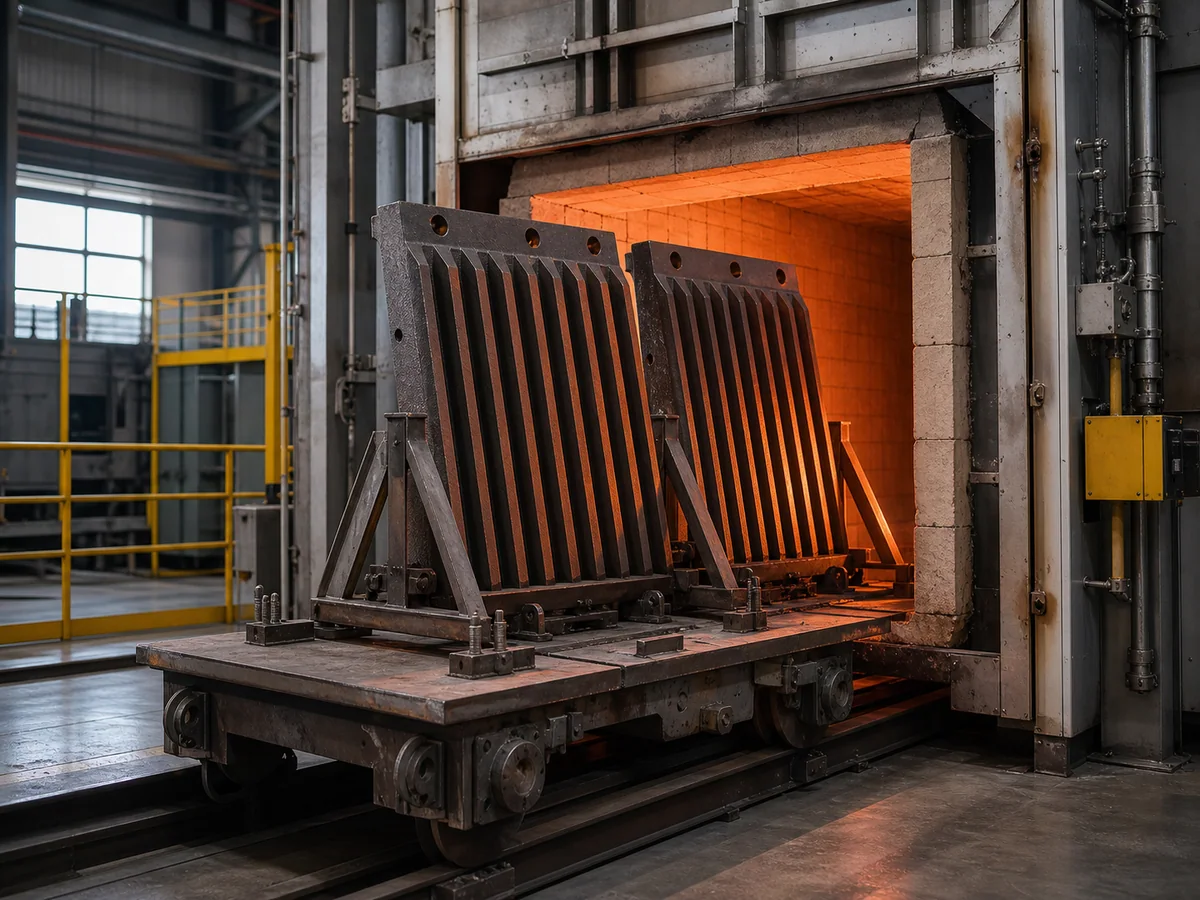
Confirm the applicable operations for the approved part. Depending on the project, these may include machining, heat treatment and surface finishing.
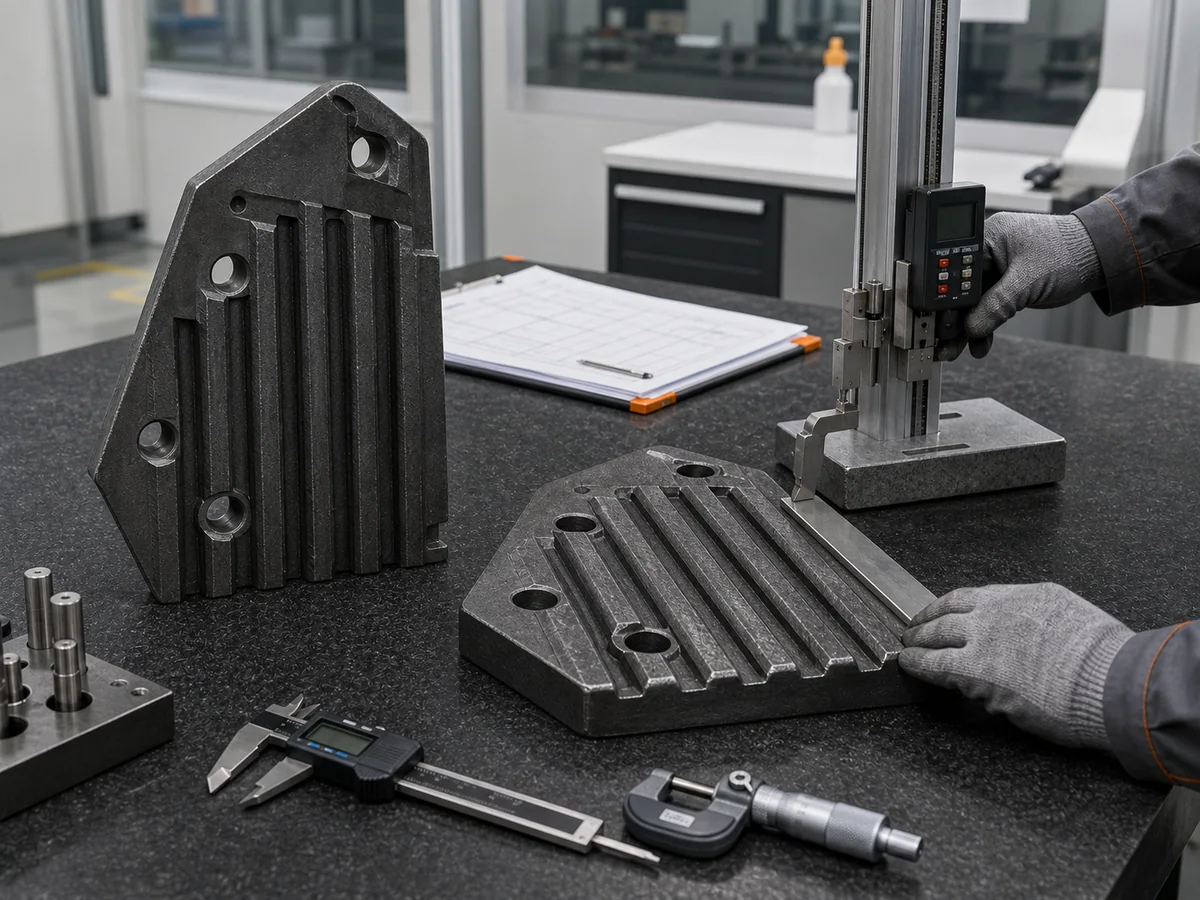
Tie dimensional checks, hardness testing, NDT and supporting records to the quoted scope where applicable and requested.
The approved project definition determines the material, process sequence and test requirements for the crusher wear parts.
Inspection is planned against the drawing, specification and purchase requirements. Tell us which dimensions, material records, hardness checks, NDT, reports or hold points the order requires before production begins.
Identify the hole patterns, profiles, mating faces and other features that control installation.
State the required grade, hardness range, heat-treatment note or material record where these form part of acceptance.
Define the wear face, surface condition and other features that must be checked.
Include inspection reports, material documents, NDT or traceability requirements where applicable.
If required, the buyer may arrange an inspector, nominate an inspection body or ask ROCKVANTA to coordinate with a suitable provider. Inspection timing, scope and cost must be agreed before the order or shipment. Inspection, reinspection and report fees are buyer-paid.
ROCKVANTA owns and operates five specialized manufacturing bases. Our team reviews the part, drawing, material, production and inspection requirements, assigns the relevant base and coordinates any supporting work.
Production scope, available capacity and timing are confirmed for the specific RFQ.


Review the crusher and wear-part definition
Assign the relevant manufacturing base
Coordinate production and inspection points
Confirm packing and project scope
Lead time, MOQ, inspection scope, documentation and packing are confirmed for the specific RFQ.