
Teeth
Working profile, pocket and wear direction.
Bucket teeth, adapters, pins & locks
Send a drawing, sample or mating reference. We review bucket teeth, adapters, pins, locks and related ground-engaging wear parts against the working conditions before we quote.
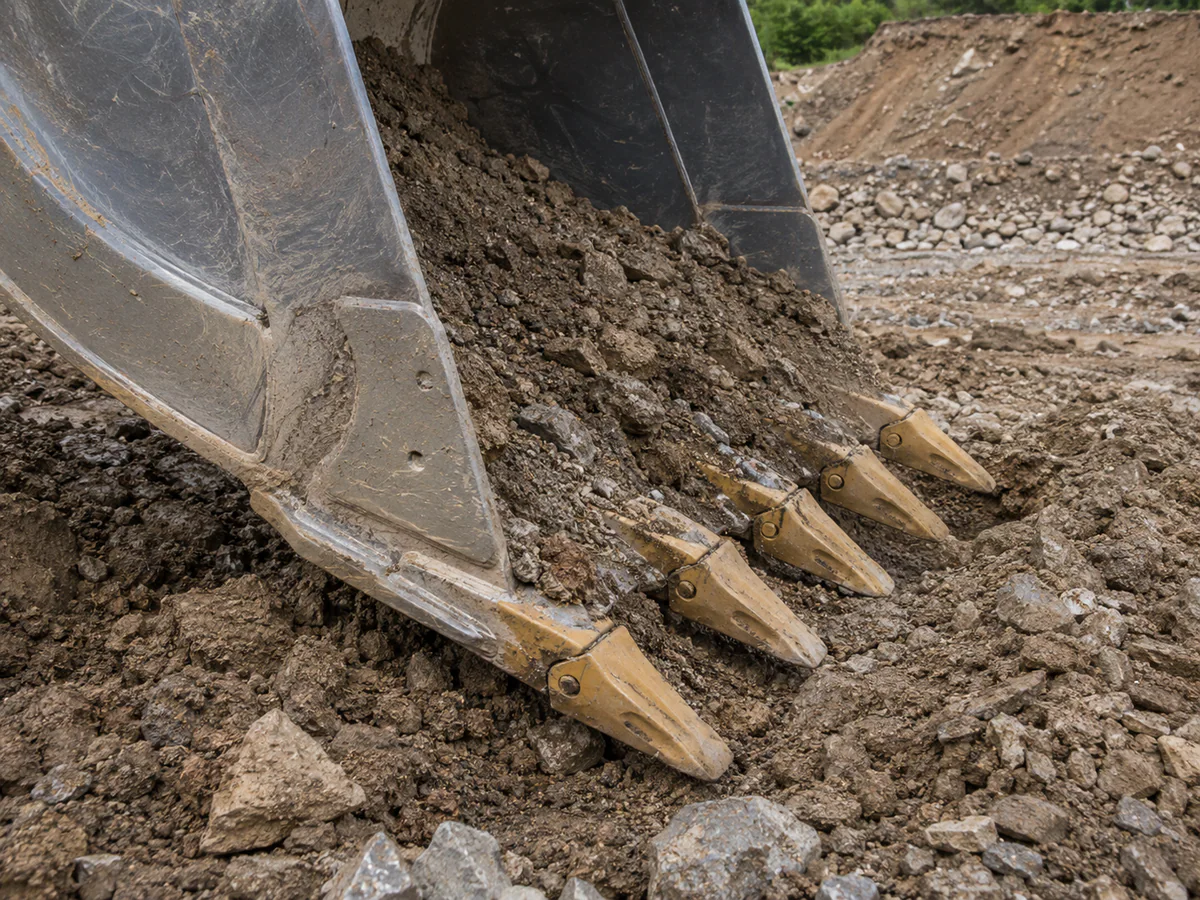
Working profile, pocket and wear direction.
Bucket-side connection and tooth-side nose.
Retention geometry and assembly direction.
When shortlisting a bucket teeth manufacturer, check whether the tooth, adapter, pin and lock are being reviewed as a working system. We can quote the matched set or individual components when the reference is clear.
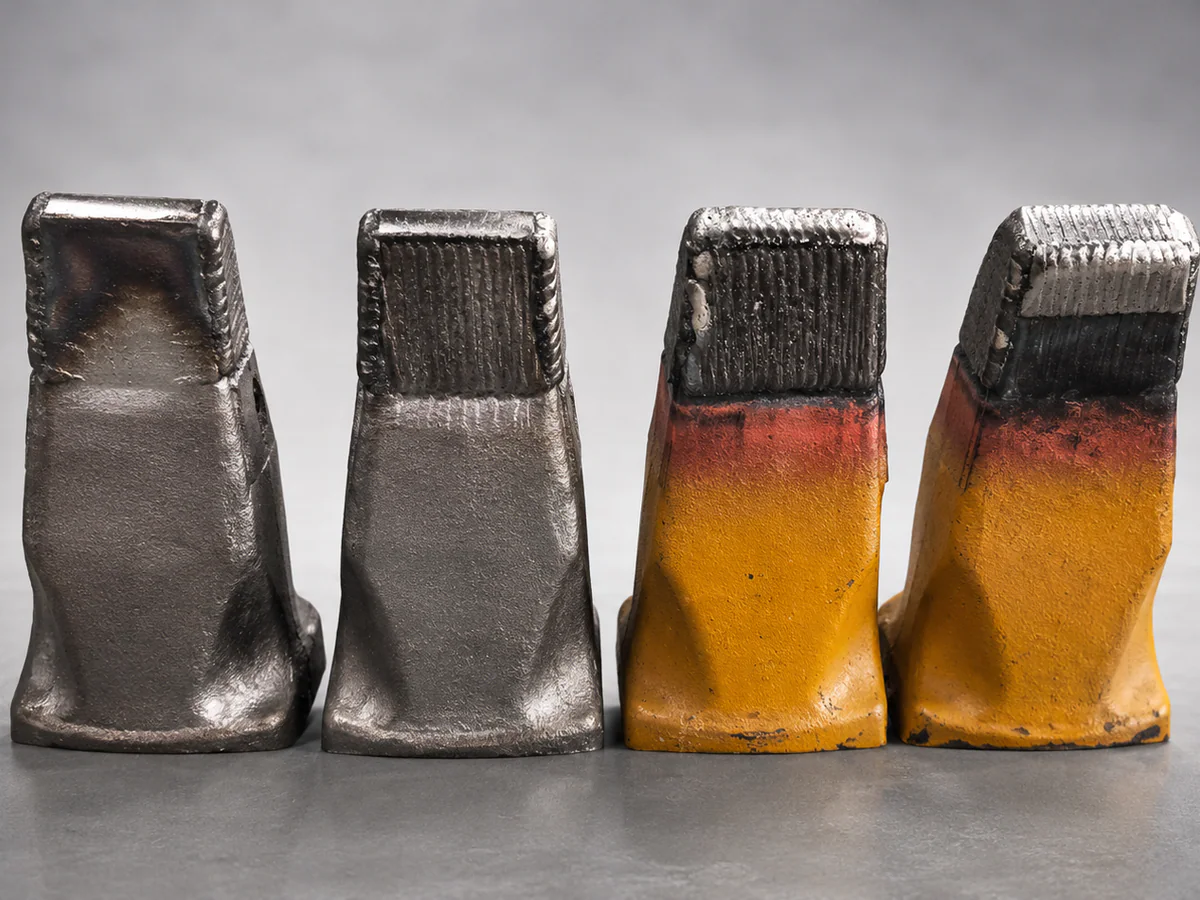
Define the working profile, mating pocket, pin arrangement and wear direction from the drawing, sample or verified reference.
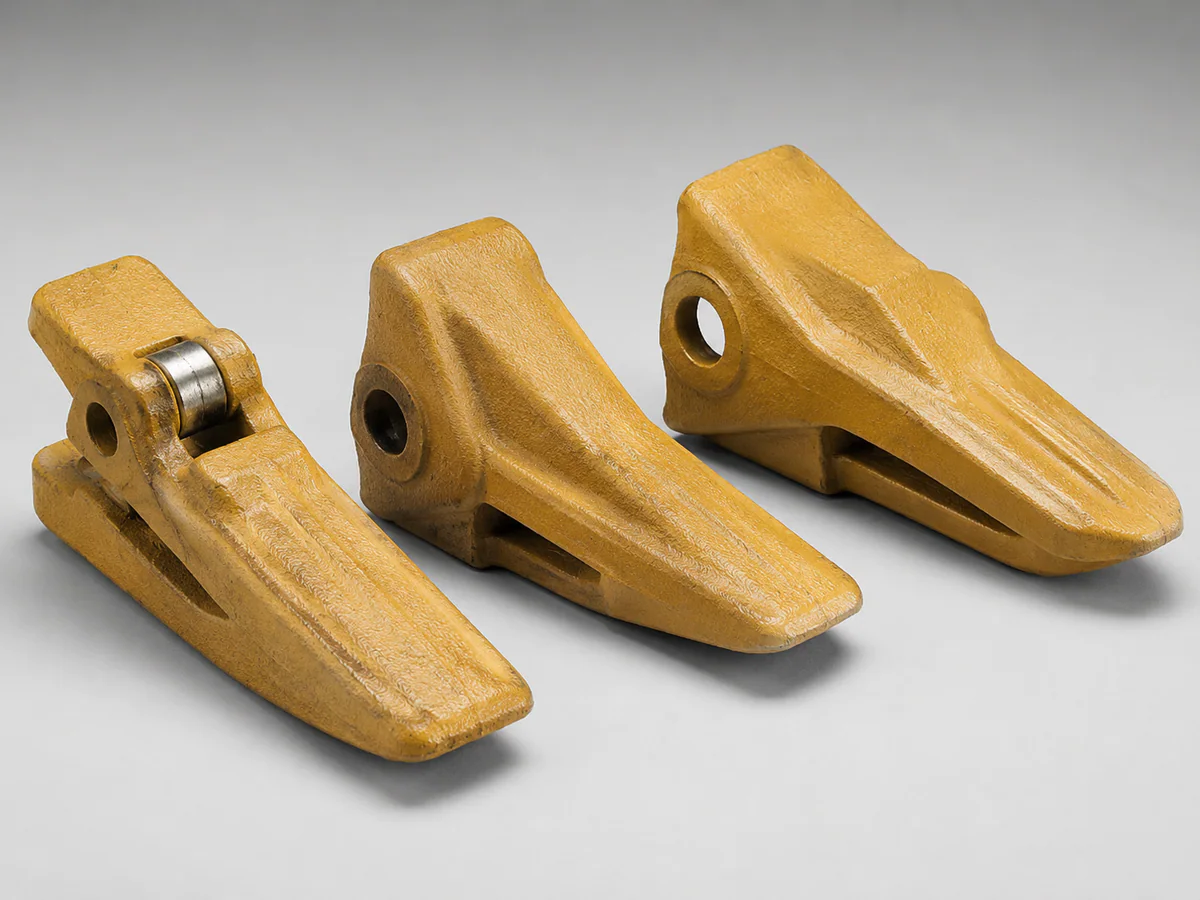
Show both interfaces: how the adapter connects to the bucket structure and how the tooth locates on the adapter.
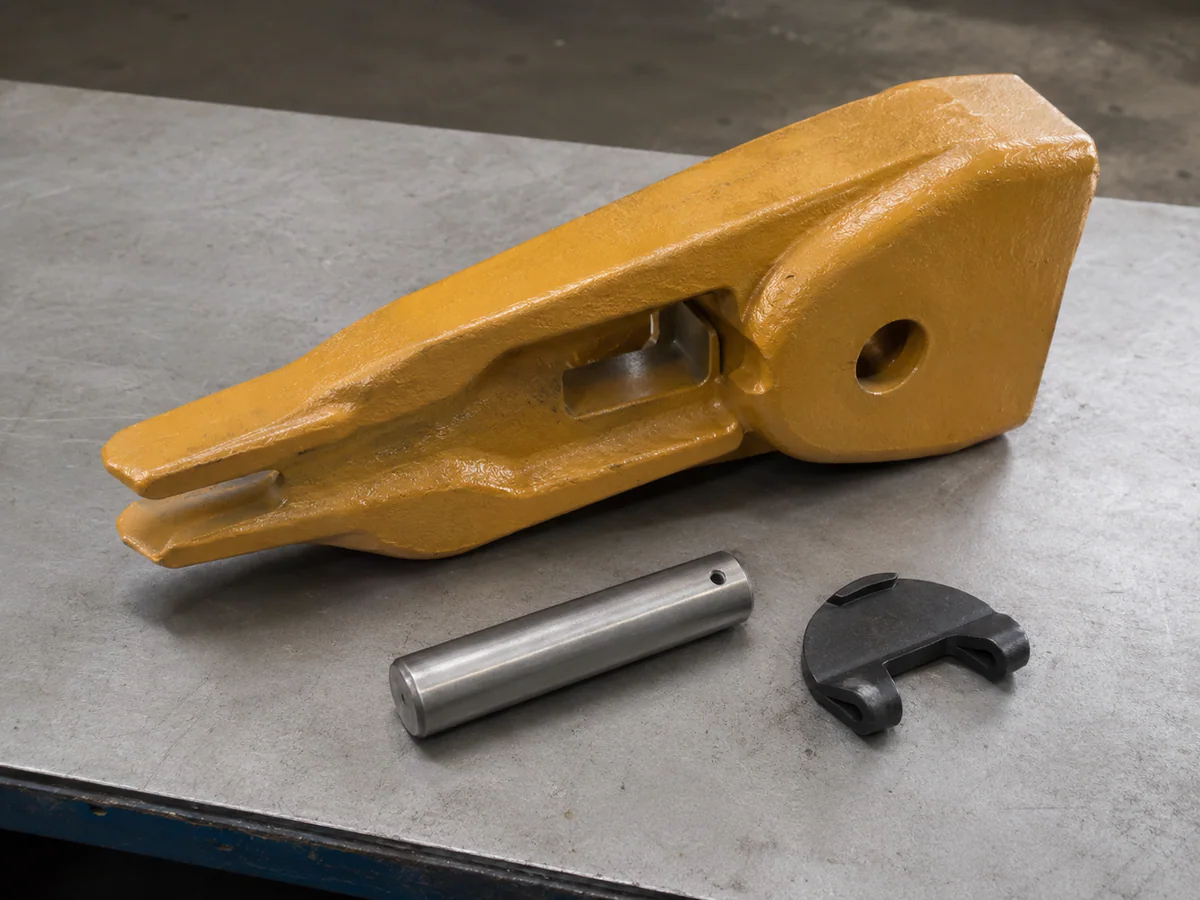
Provide the pin path, diameter, length, groove or retainer form and the components the retention set must secure.
Other drawing-defined ground-engaging wear parts can be reviewed within the same project. Complete buckets and unrelated undercarriage components are covered in separate product categories.
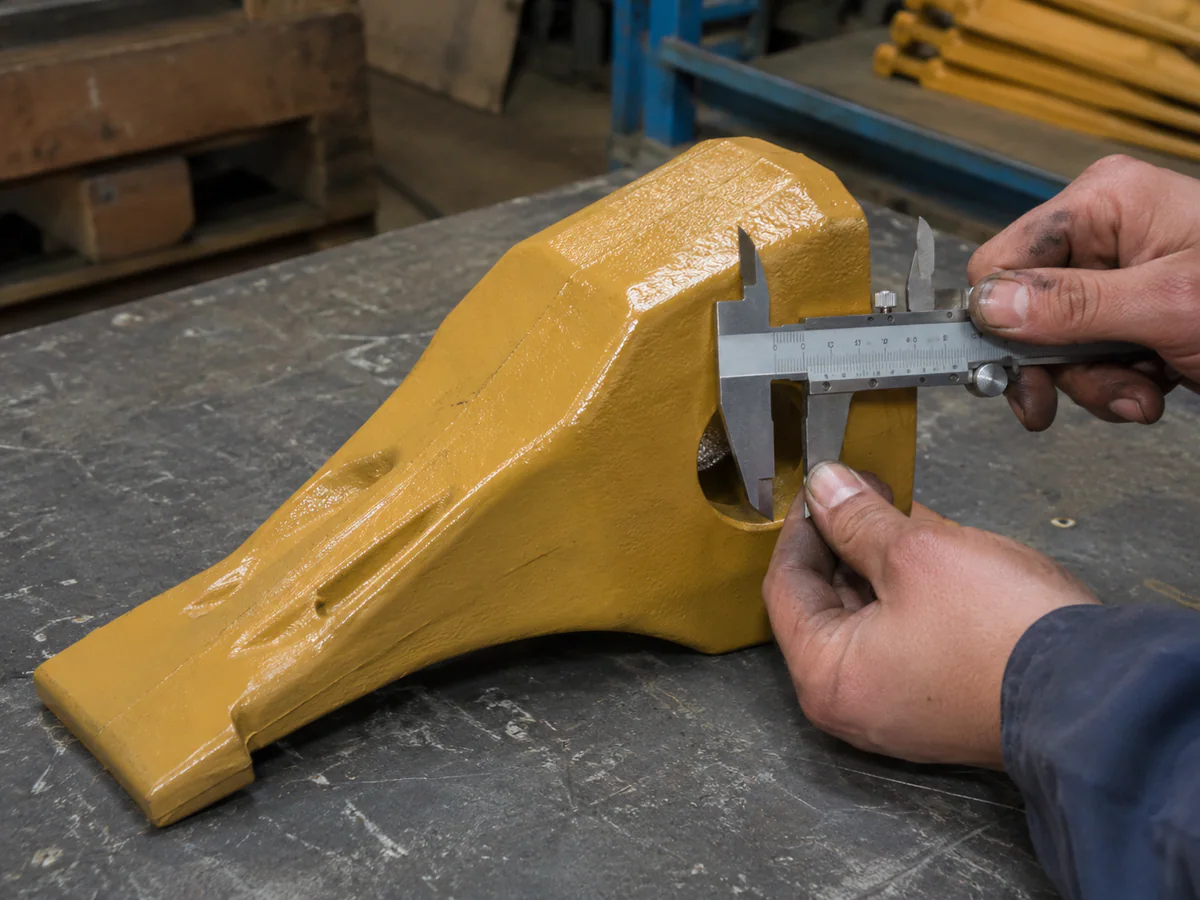
An equipment or bucket reference helps identify the starting point. Fit is confirmed from the mating component, critical dimensions, current drawing or approved sample.
Identify the tooth, adapter, pin, lock or related GET part and where it works on the bucket.
Send the adapter nose, tooth pocket, pin-bore direction and the dimensions that control seating and retention.
Describe the material handled, the balance of impact and abrasion, and the current wear pattern.
Include quantity, project stage, destination and the inspection or document requirements already known.
Confirm material, process and interchangeability from the drawing, specification or approved sample.
Before production, we review the geometry, material, required processes, heat treatment, surface and inspection requirements against the approved drawing, sample or project specification.
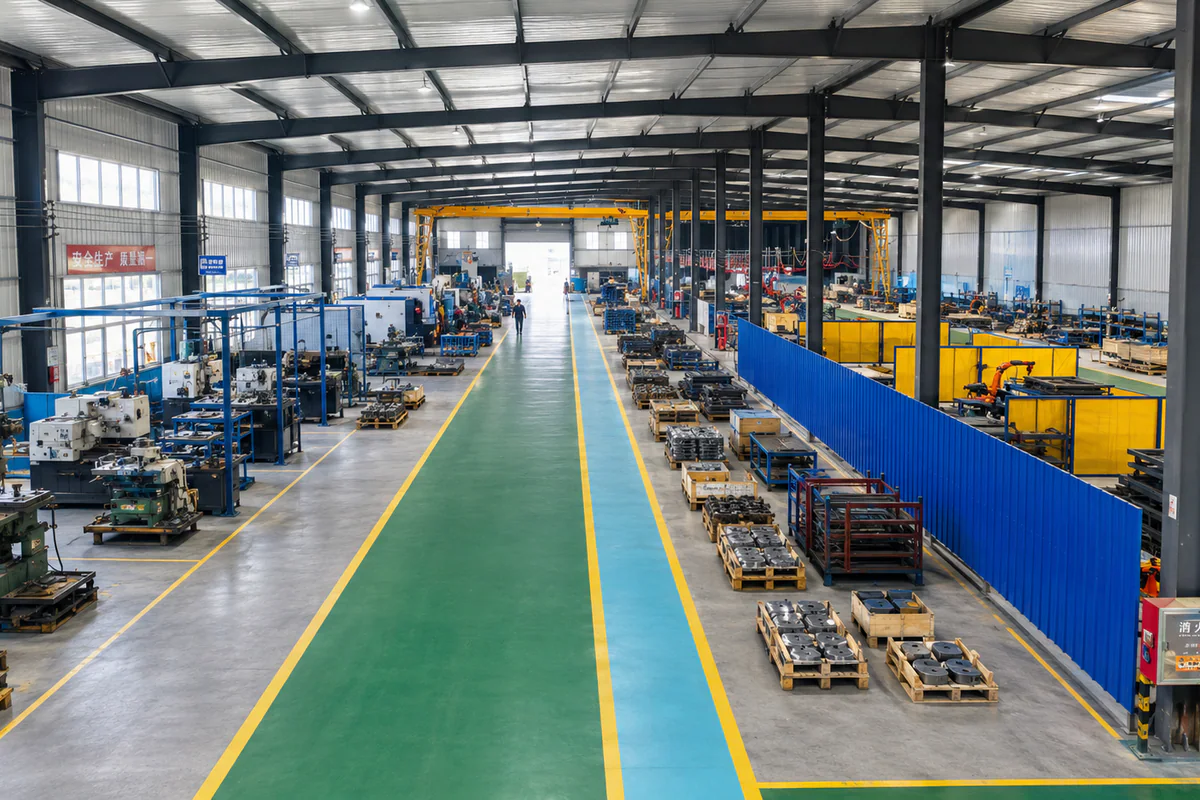
Cutting, drilling, machining and related steps are selected for the approved part definition. The process sequence varies by geometry, material, quantity and acceptance requirements.
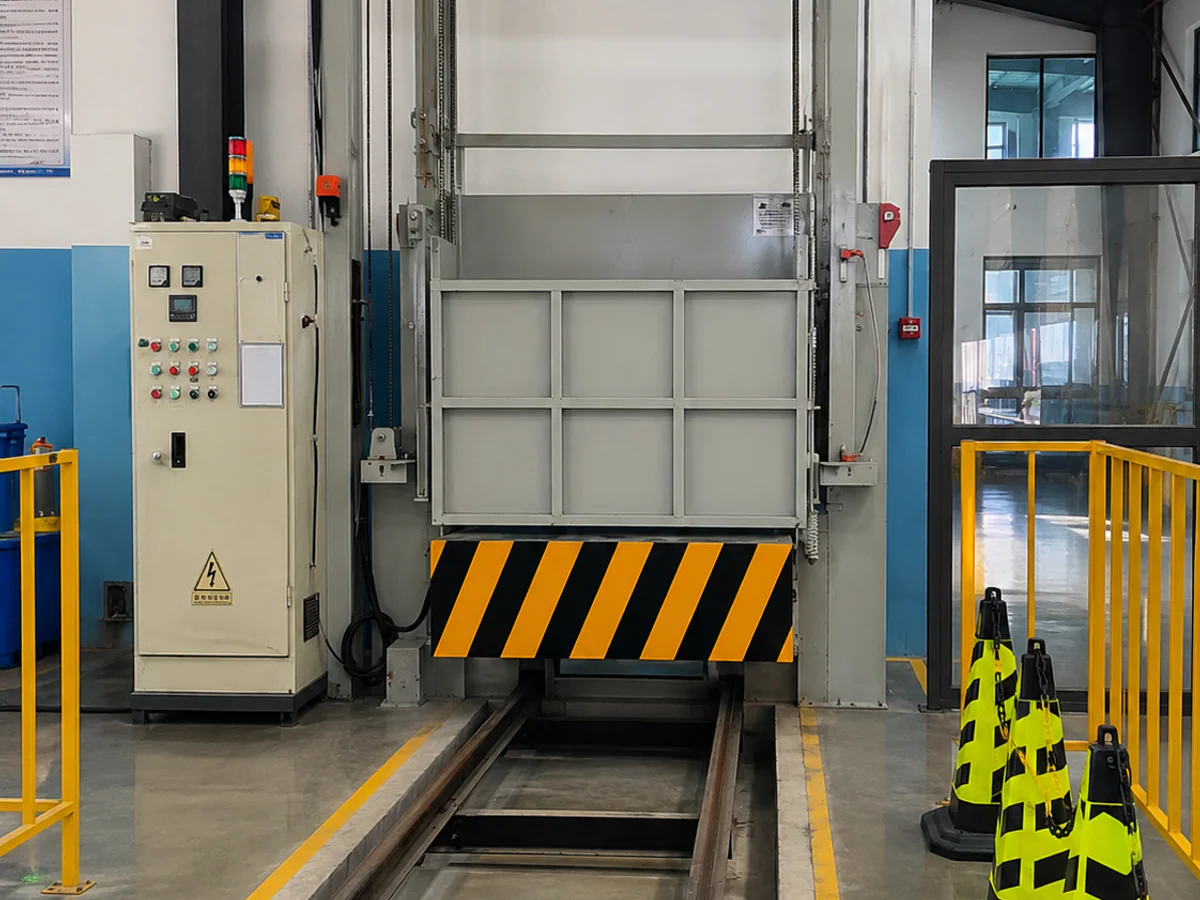
Heat treatment or induction hardening is included only when the drawing or technical review calls for it. Treatment and hardness requirements are confirmed for the part being quoted.
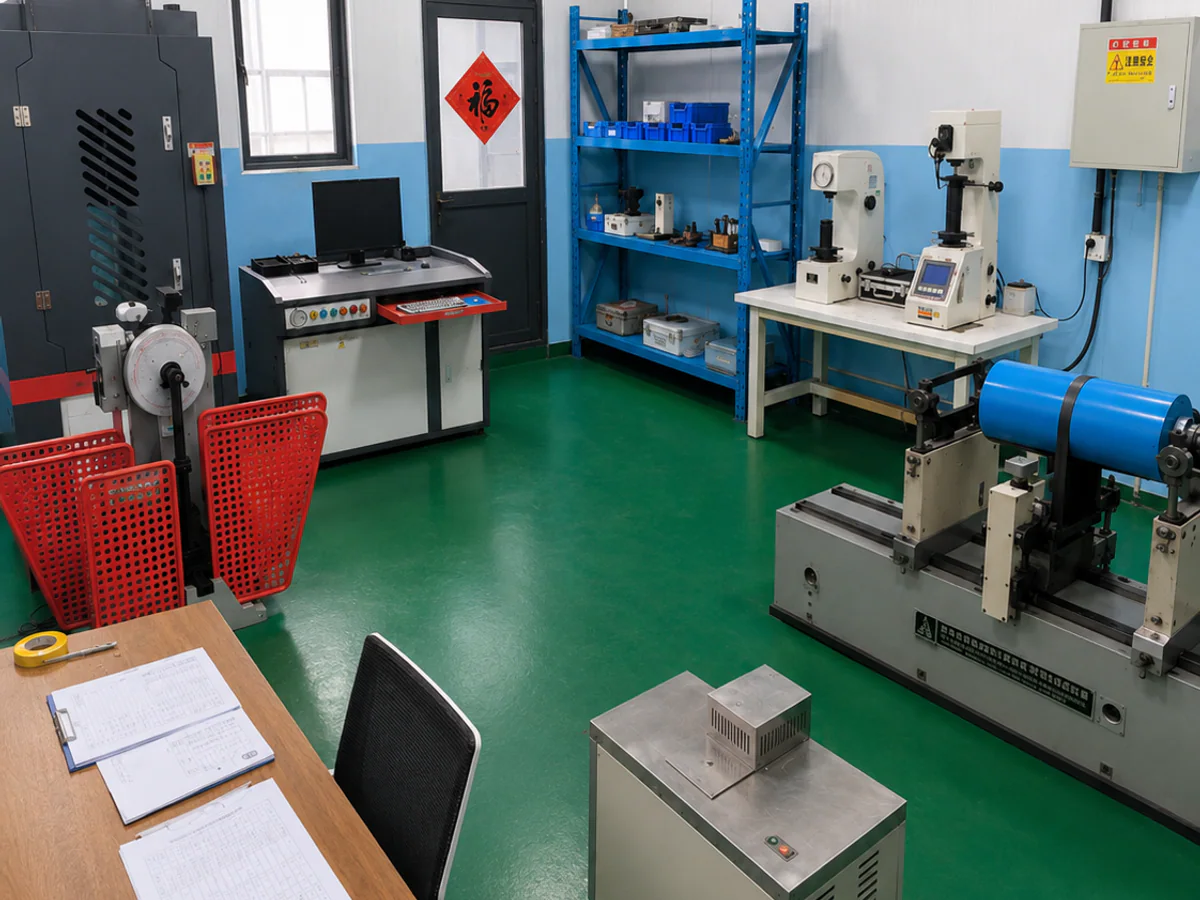
Tell us which dimensions, hardness results, surface checks, NDT and records are required. The inspection plan is agreed for the project before production.
One component or a complete tooth, adapter and retention set.
Requirements stated on the drawing or agreed through technical review.
Sample, qualification or production requirement.
Requested records, third-party inspection, destination and packing.
Lead time, MOQ, inspection scope and documentation are confirmed for the specific RFQ.
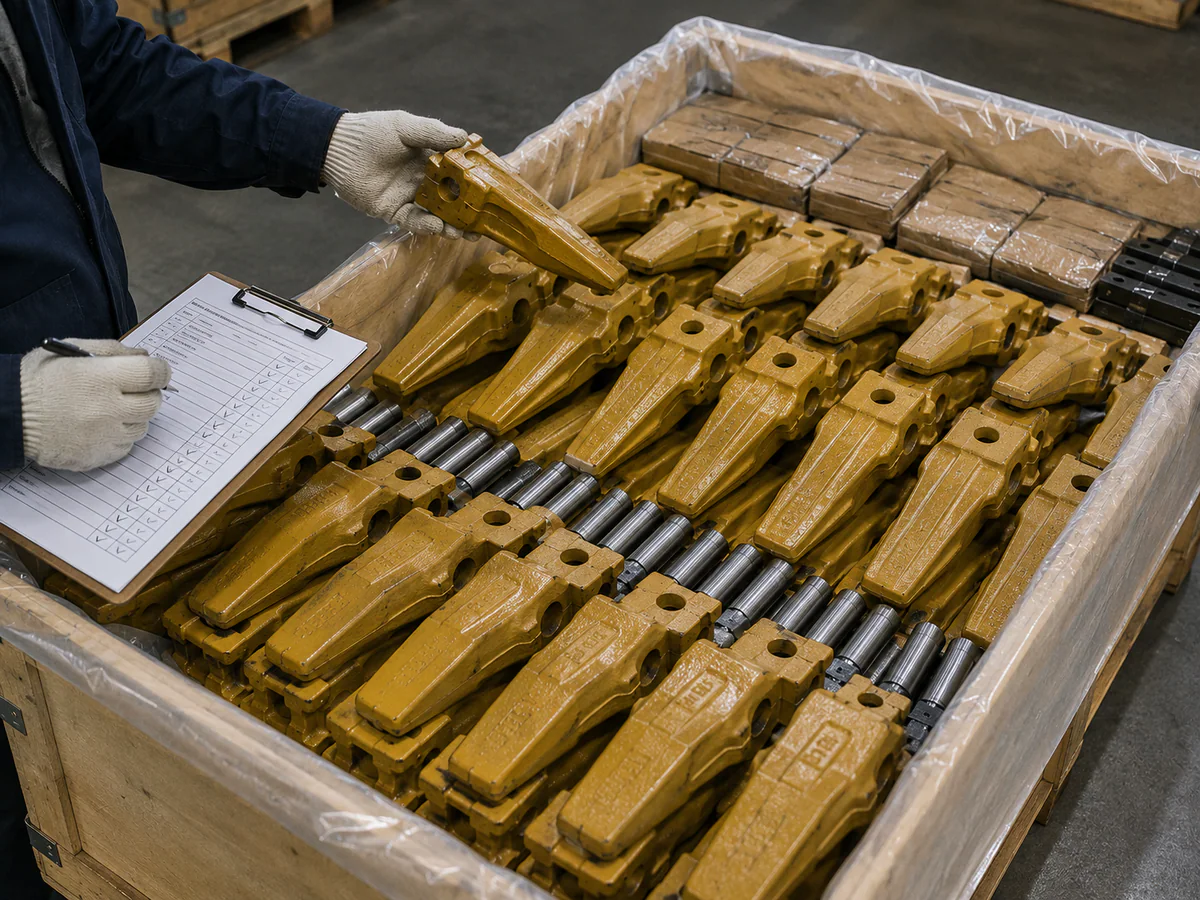
Part identity, quantity, marking and export packing are checked against the agreed order documents.
ROCKVANTA owns and operates five specialized manufacturing bases. The team reviews the product, required processes, inspection and project requirements, identifies the most suitable base, and coordinates any supporting work.
Each base has its own process focus. Capacity, production scope and timing are confirmed only after the RFQ is reviewed.
How We Select a Manufacturing Base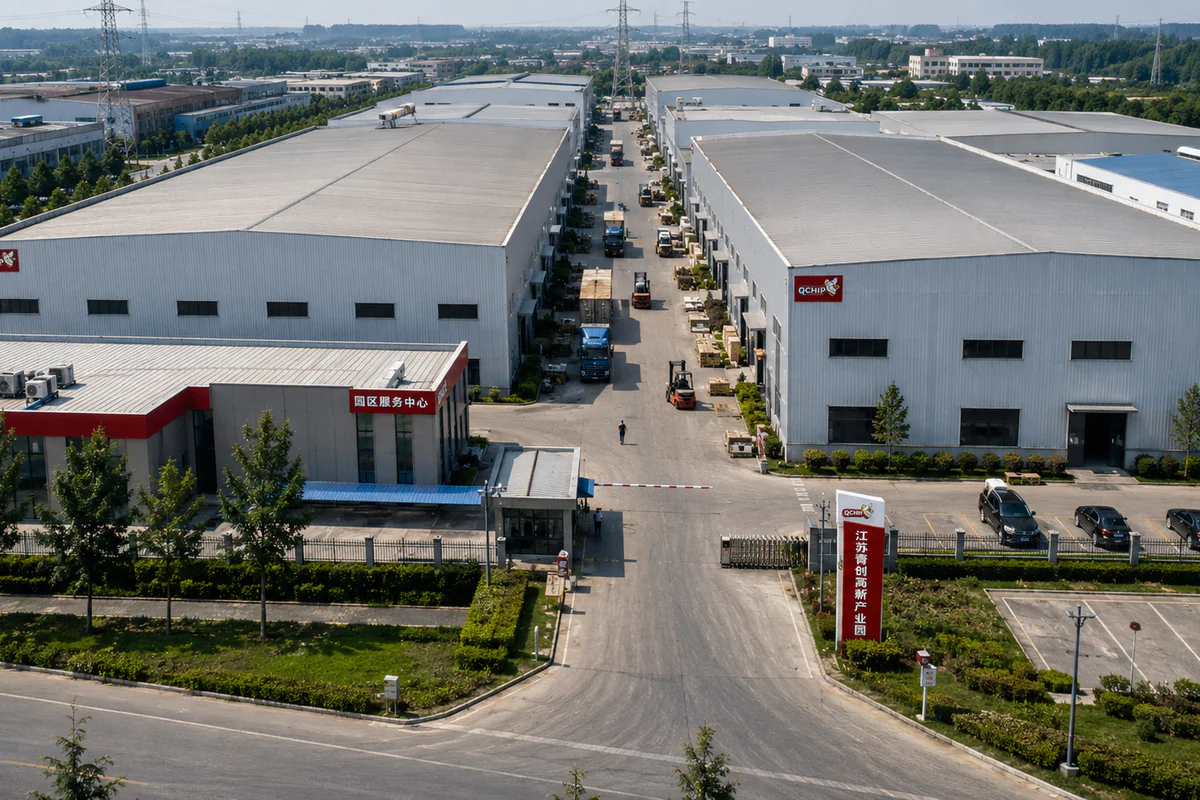
If required, the buyer may arrange an inspector, nominate an inspection body or ask ROCKVANTA to coordinate with a suitable provider. Timing, scope and cost must be agreed before the order or shipment. Inspection, reinspection and report fees are buyer-paid.
Guide: choosing wear-resistant bucket teeth →
ROCKVANTA Machinery — EONBIRD GLOBAL LIMITED