
Position
Carrying, impact, return or another belt-support point
Conveyor rollers & idlers
Send the belt width, idler arrangement, roller dimensions, shaft and mounting details, operating conditions and quantity. We review conveyor idlers as complete assemblies or defined replacement-component scopes before quoting.
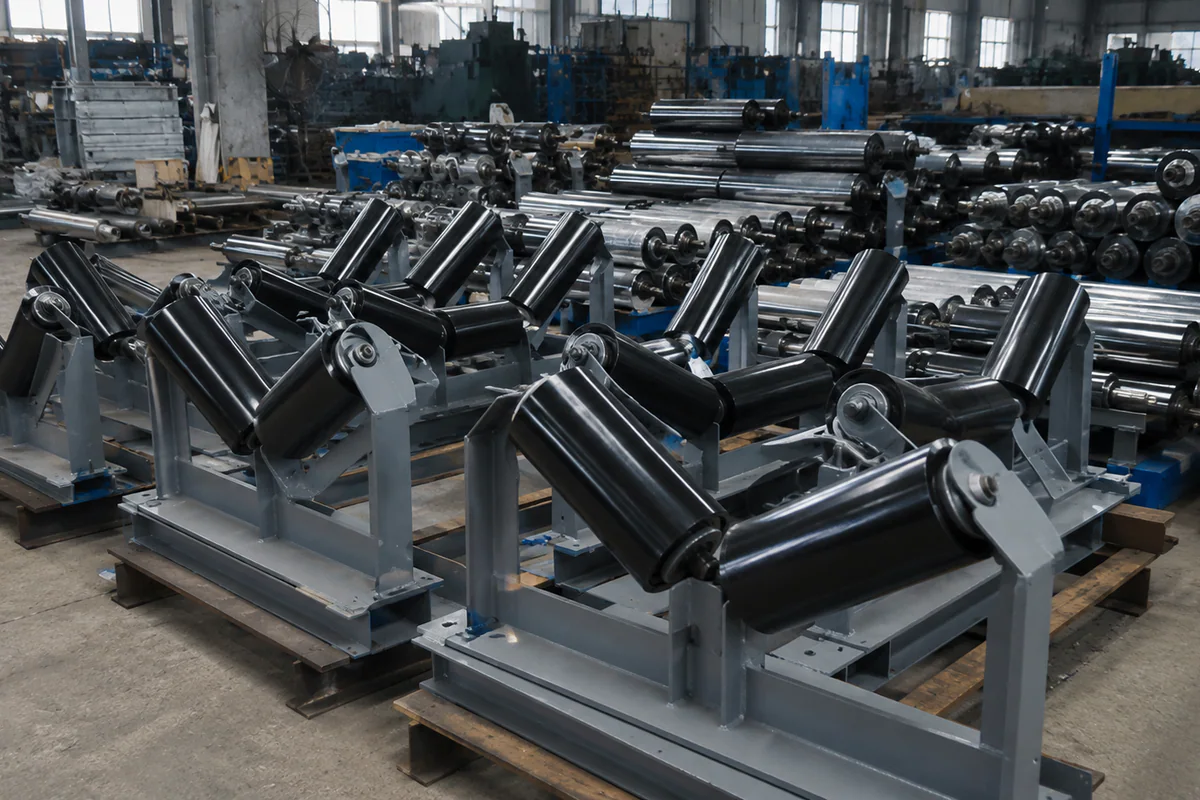
Carrying, impact, return or another belt-support point
Roller geometry, shaft, mounting, sealing and bearing inputs
Individual rollers, idler sets, components or rebuild parts
A roller enquiry is easier to compare when it identifies what the roller supports and where it works. Show the conveyor position, then define the arrangement and interfaces that cannot change.
Carrying, return and impact idlers explained
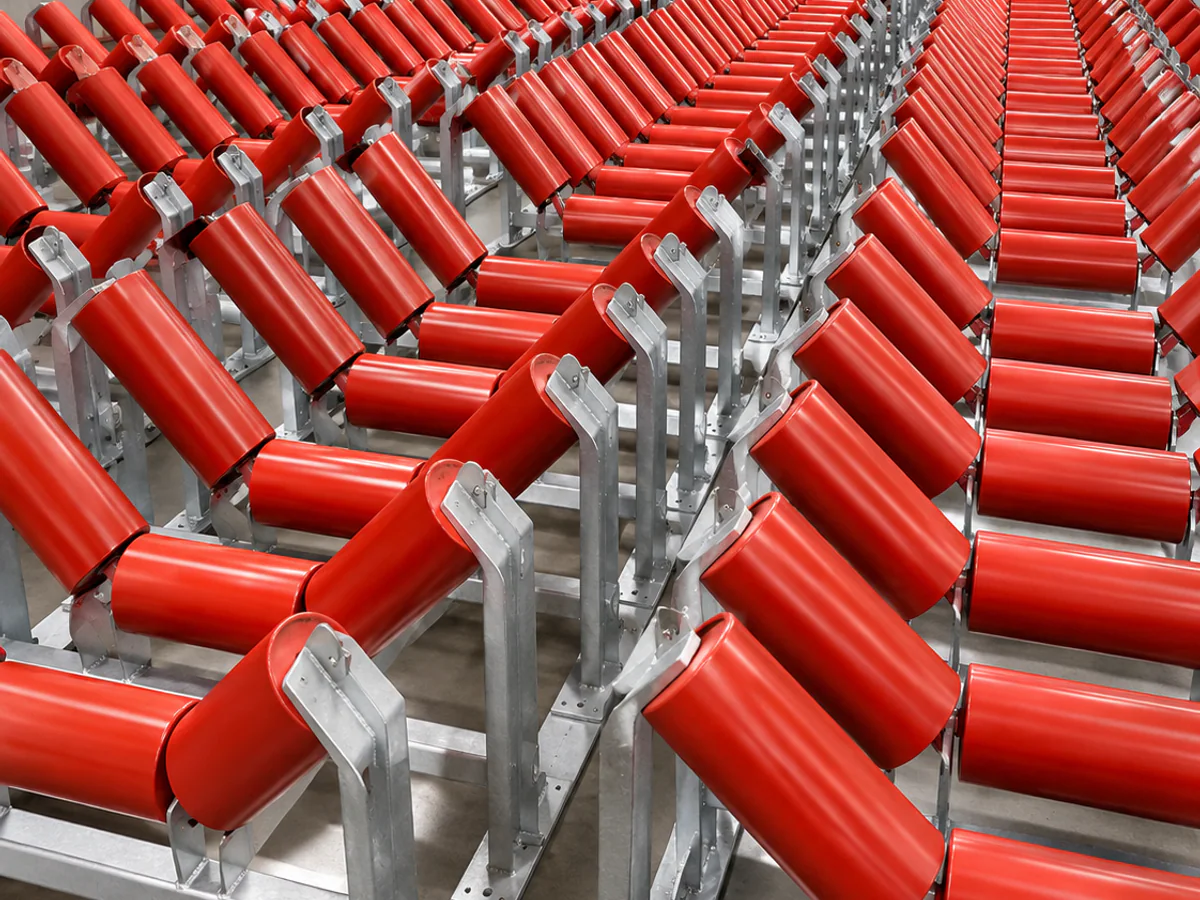
Define the idler arrangement, roller geometry and mounting centres that establish the belt profile.
Show the loading-zone position, arrangement and project requirements. The required construction is reviewed from the drawing or specification.
Identify the return-belt position, roller arrangement, mounting interfaces and operating environment.
State whether the enquiry covers complete rollers, idler sets, shafts, bearing housings, end components, seals or a defined rebuild package.
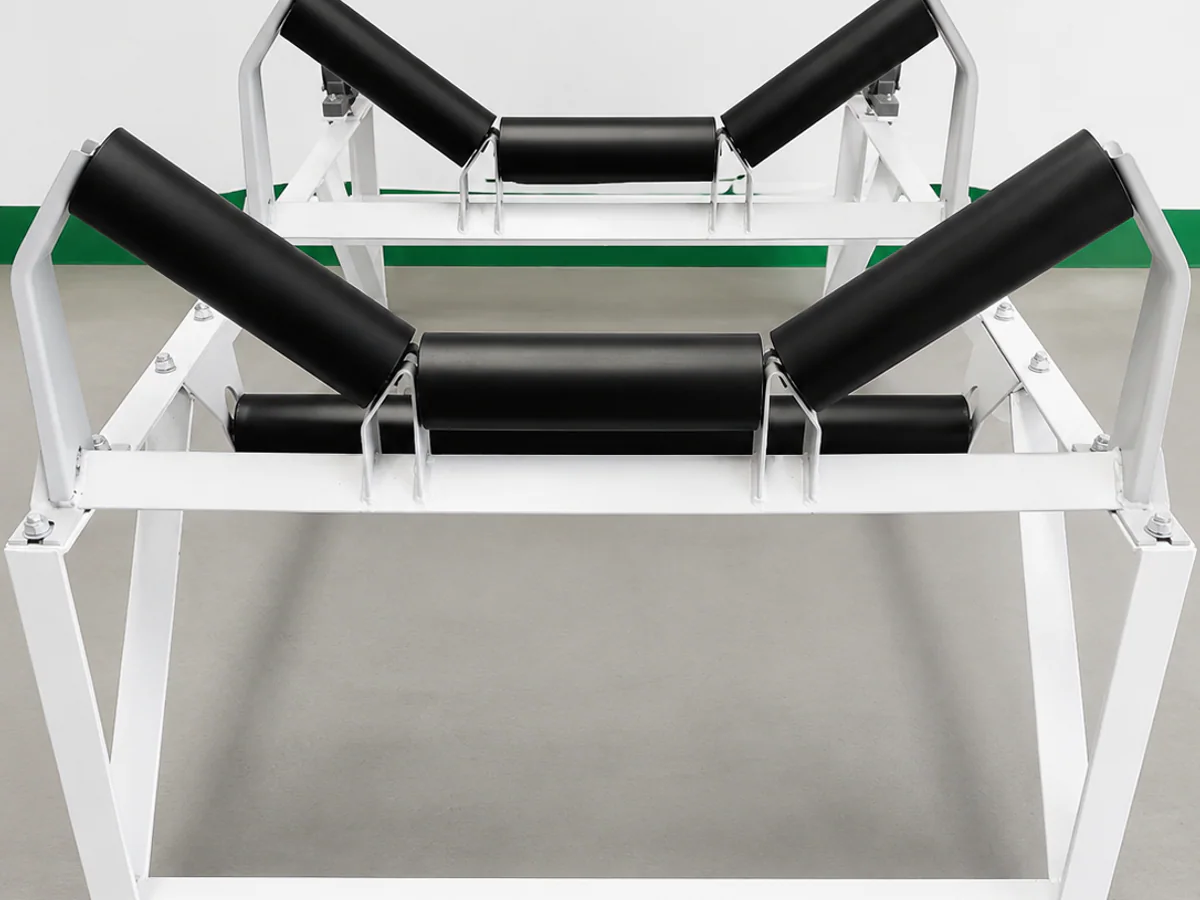
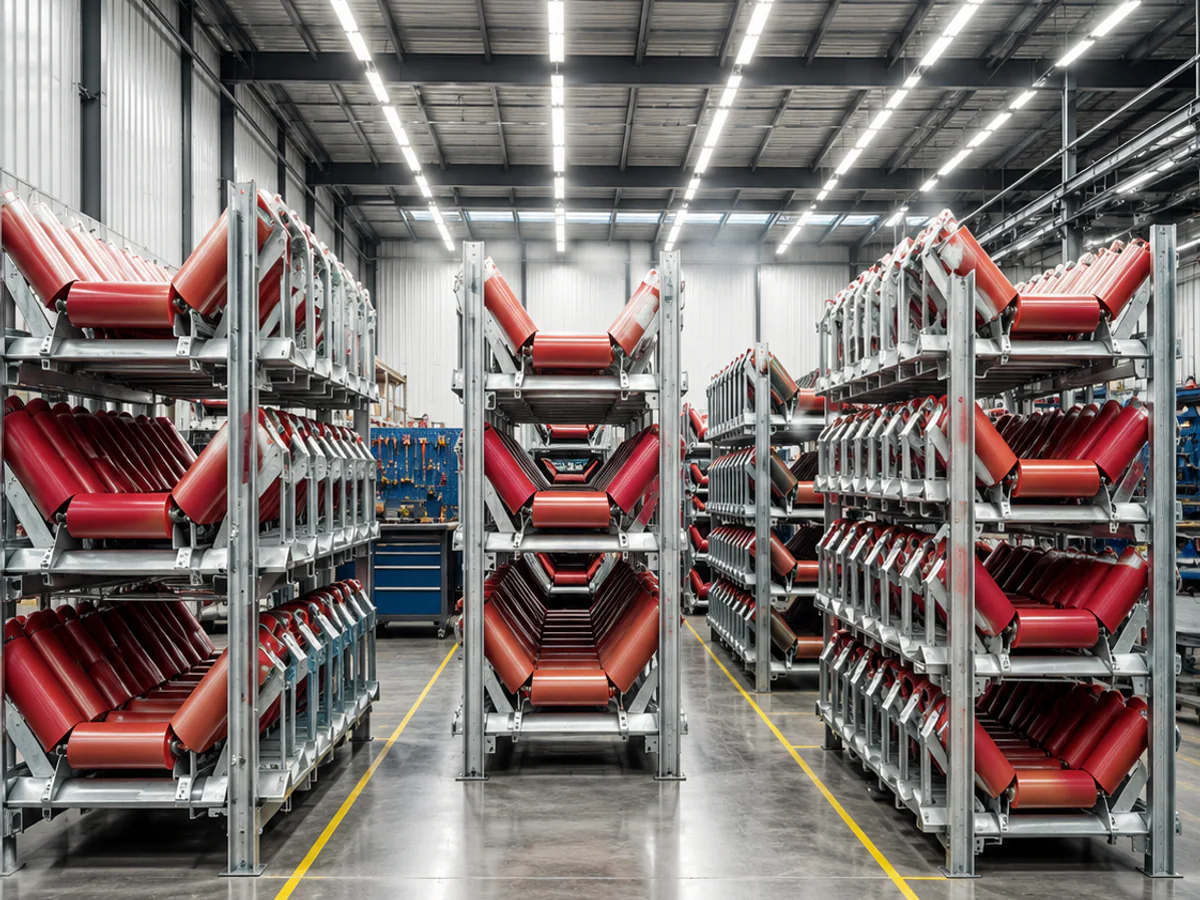
Conveyor pulleys and drums, idler frames and structures, undercarriage track rollers and standalone bearings are handled as different product categories.
Rollers and idler sets can be made for different belt widths and custom arrangements. Share the belt width, load, speed and installation drawing so we can return the roller and frame configuration for your conveyor.
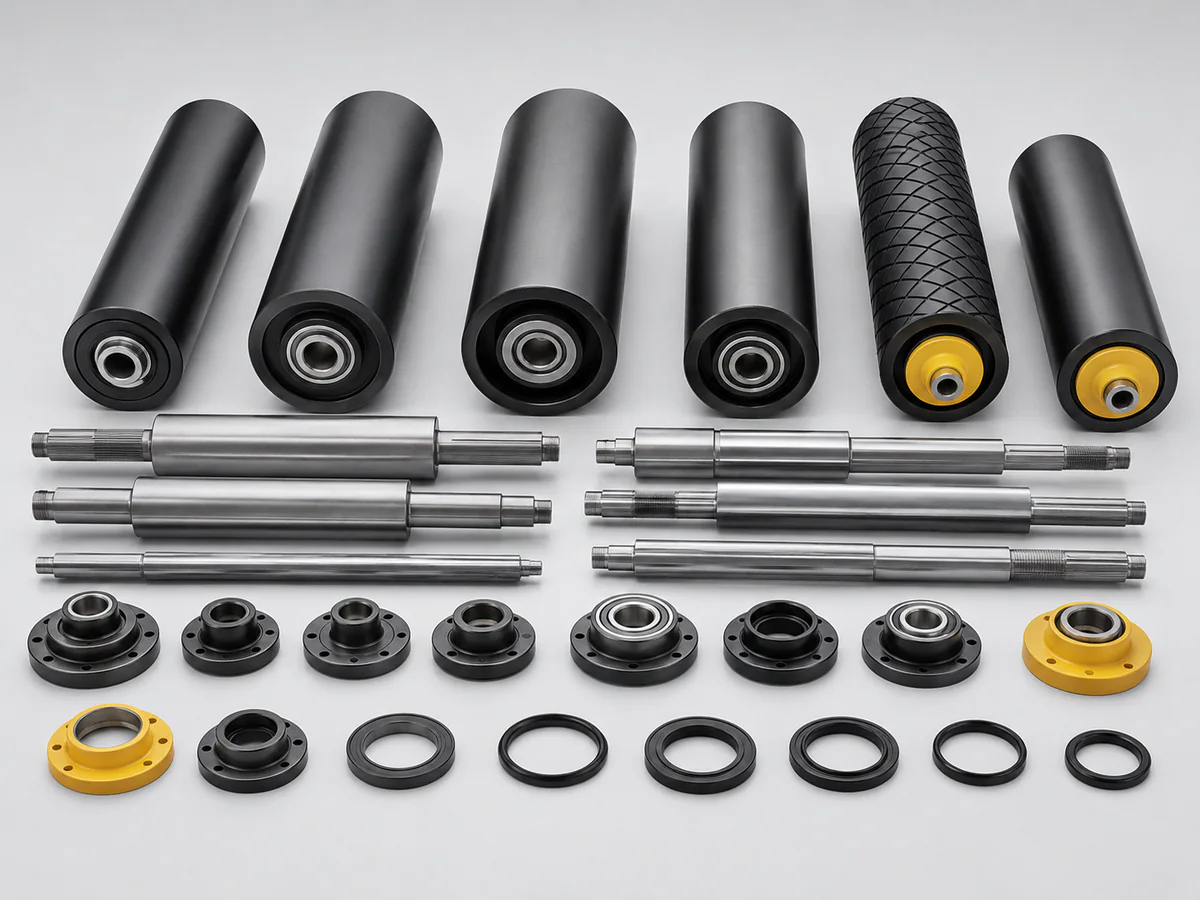
Separate confirmed requirements from open points so the technical review starts from one clear reference.
Provide the belt width, material handled, loaded condition, operating environment and known duty information relevant to the roller.
Identify the carrying, troughing, impact, return, guide or transition position and any trough angle already defined.
Give the roller diameter, face length and the centres or envelope dimensions that must be maintained.
Show shaft ends, flats, threads, slots, retaining features and the mounting dimensions that control installation.
Send the specified seal or bearing reference, lubrication and surface requirement.
Separate prototype, qualification and production quantities, then identify the assembly or component scope to be quoted.
Complete rollers are reviewed as one tube, shaft, housing, bearing, seal and assembly definition. Replacement work needs the same clarity at the component interface.
Photographs and an equipment reference help establish the starting point. Critical fit is confirmed from dimensions, mating parts, a drawing or an approved sample.
Define the complete roller geometry, shaft ends, mounting, internal requirements and quantity.
Add the roller arrangement, frame interfaces, centres and any approved conveyor-layout data.
Provide the component drawing, sample or mating reference and identify the parts ROCKVANTA should quote.
Production planning starts with the agreed roller or idler definition. Tube, shaft, housing, sealing and assembly requirements are reviewed together.
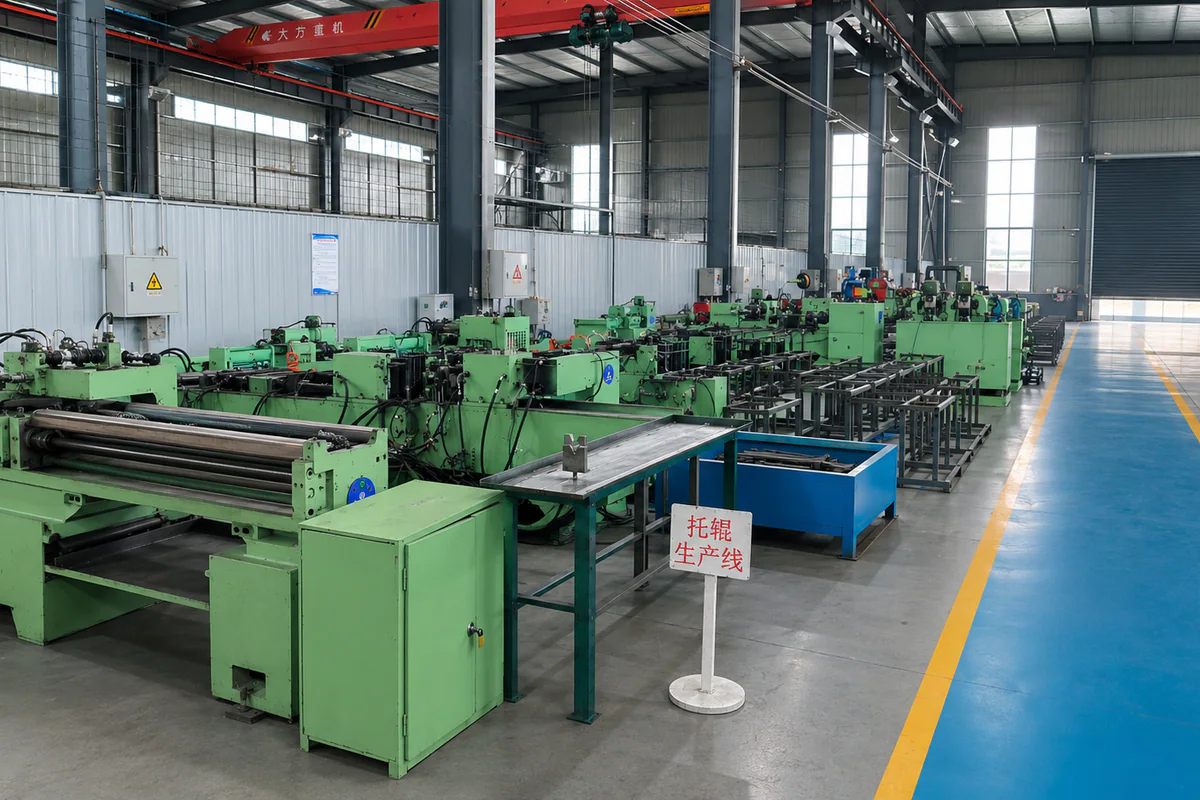
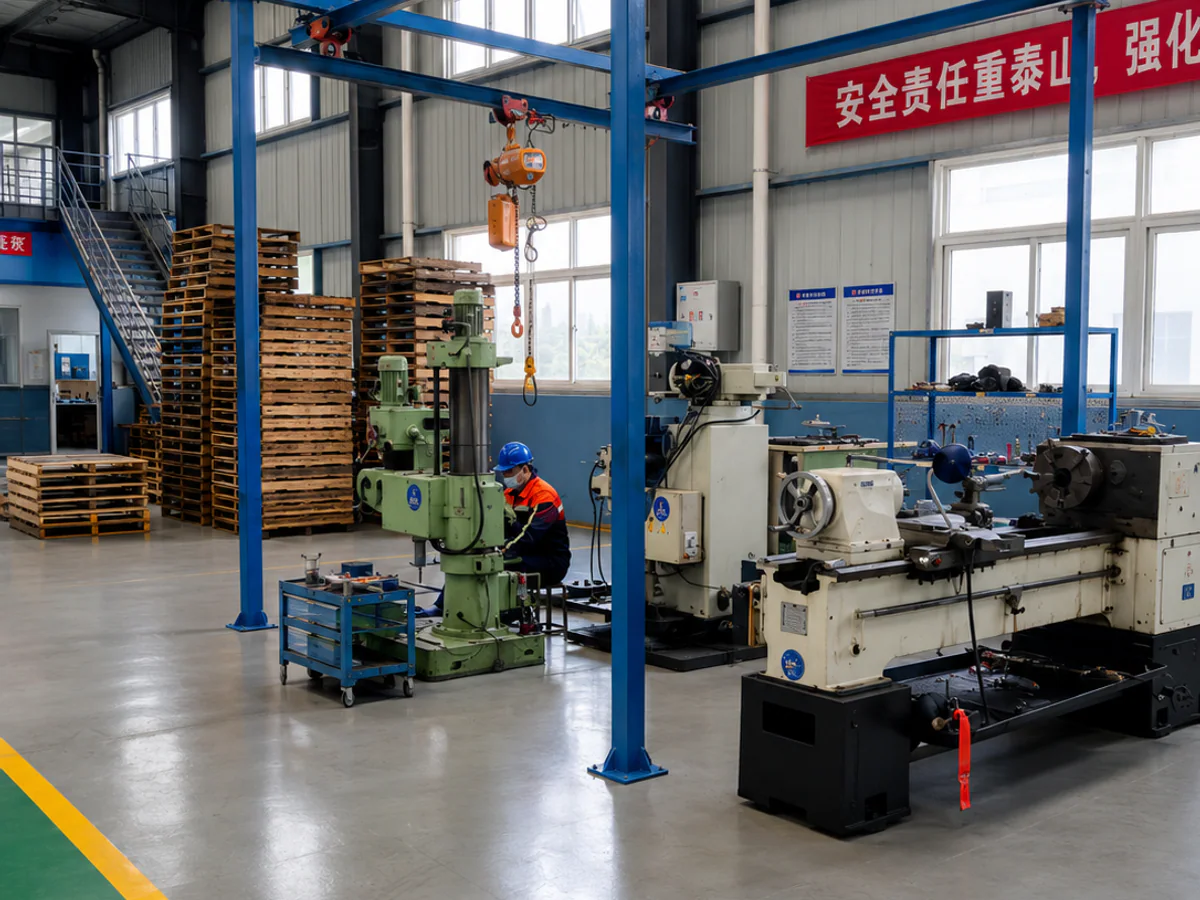
Confirm the drawing, sample, interfaces and open technical points.
Select the relevant cutting, machining and preparation steps.
Coordinate housing, bearing, seal, shaft and surface requirements where applicable.
Tie dimensions, checks, records and hold points to the quoted scope.
Production equipment, sequence and hold points can vary with geometry, material, quantity and acceptance requirements.
Send the required checks, acceptance criteria and records with the RFQ. ROCKVANTA uses them to prepare the project-specific inspection plan before production begins.
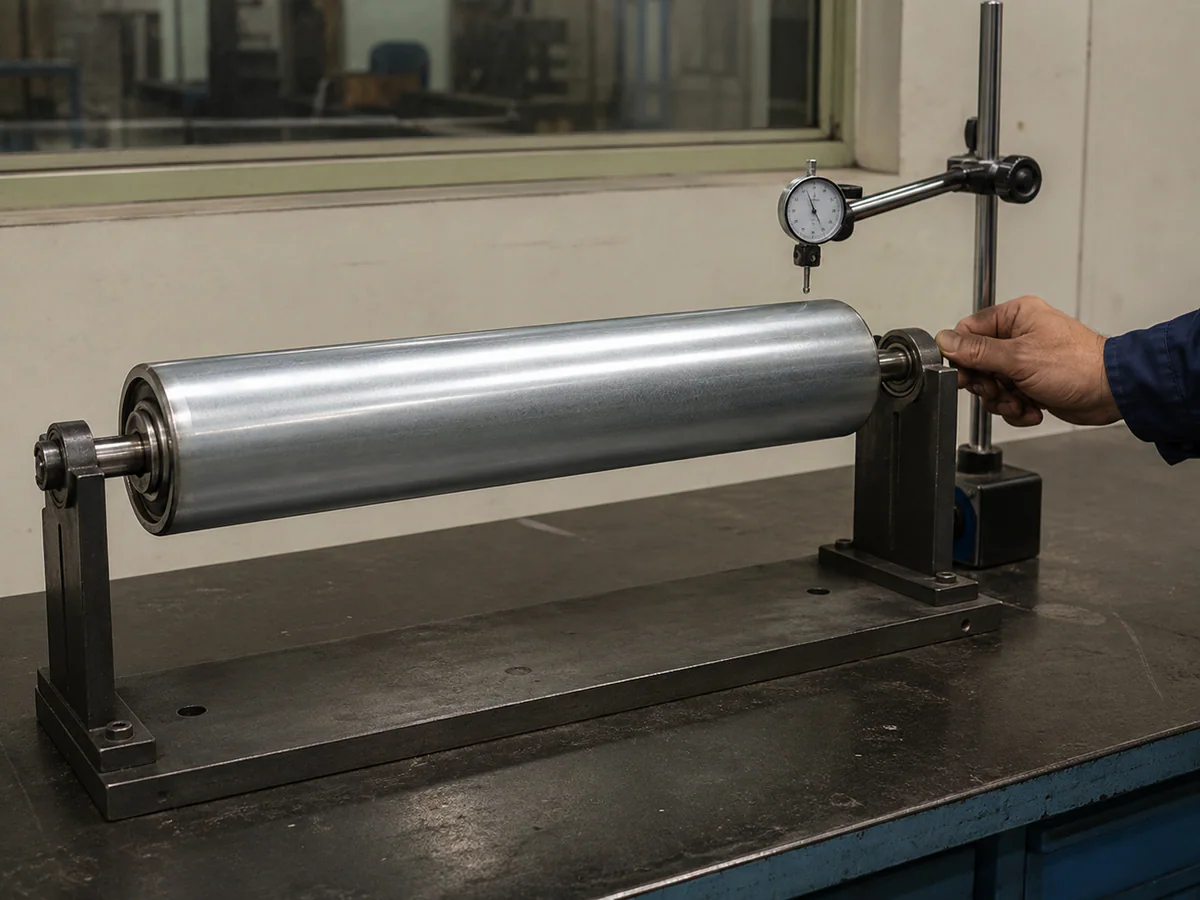
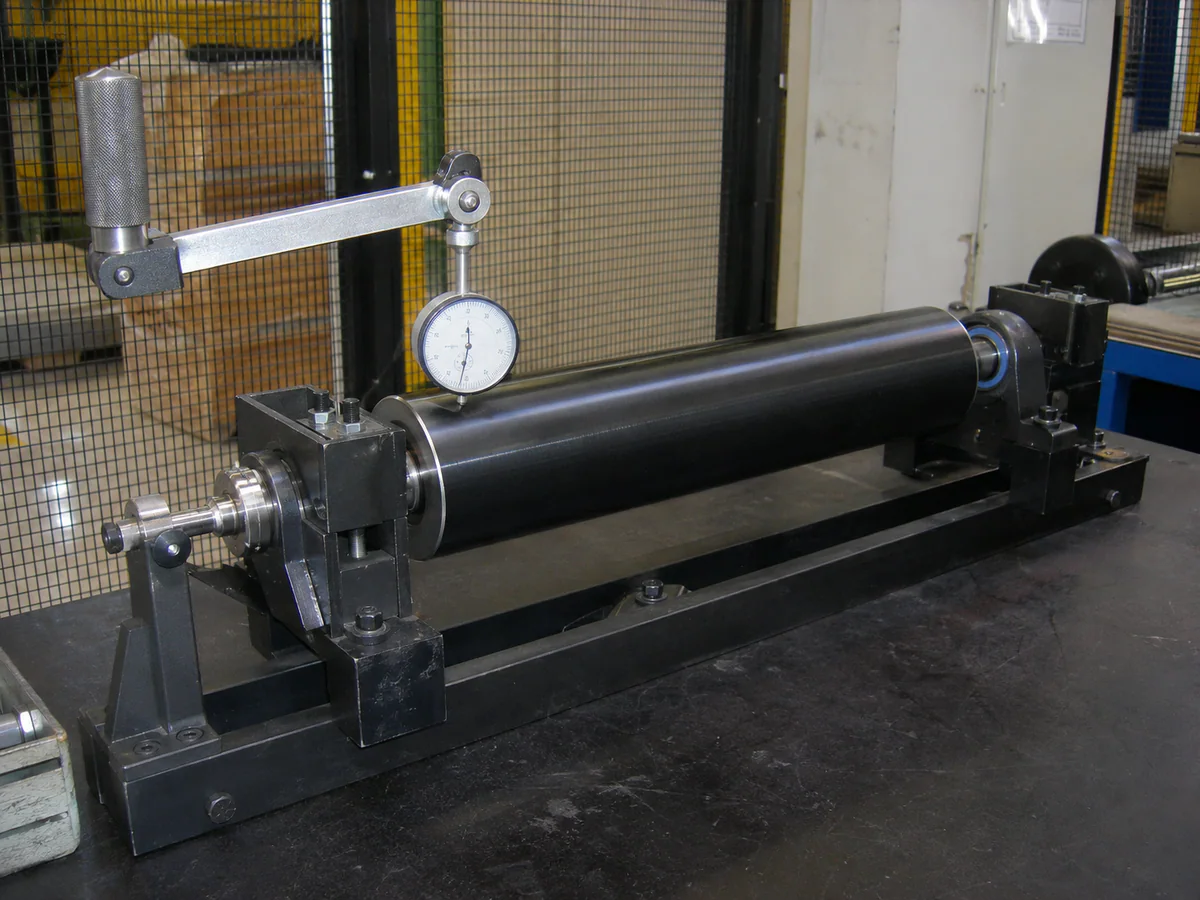
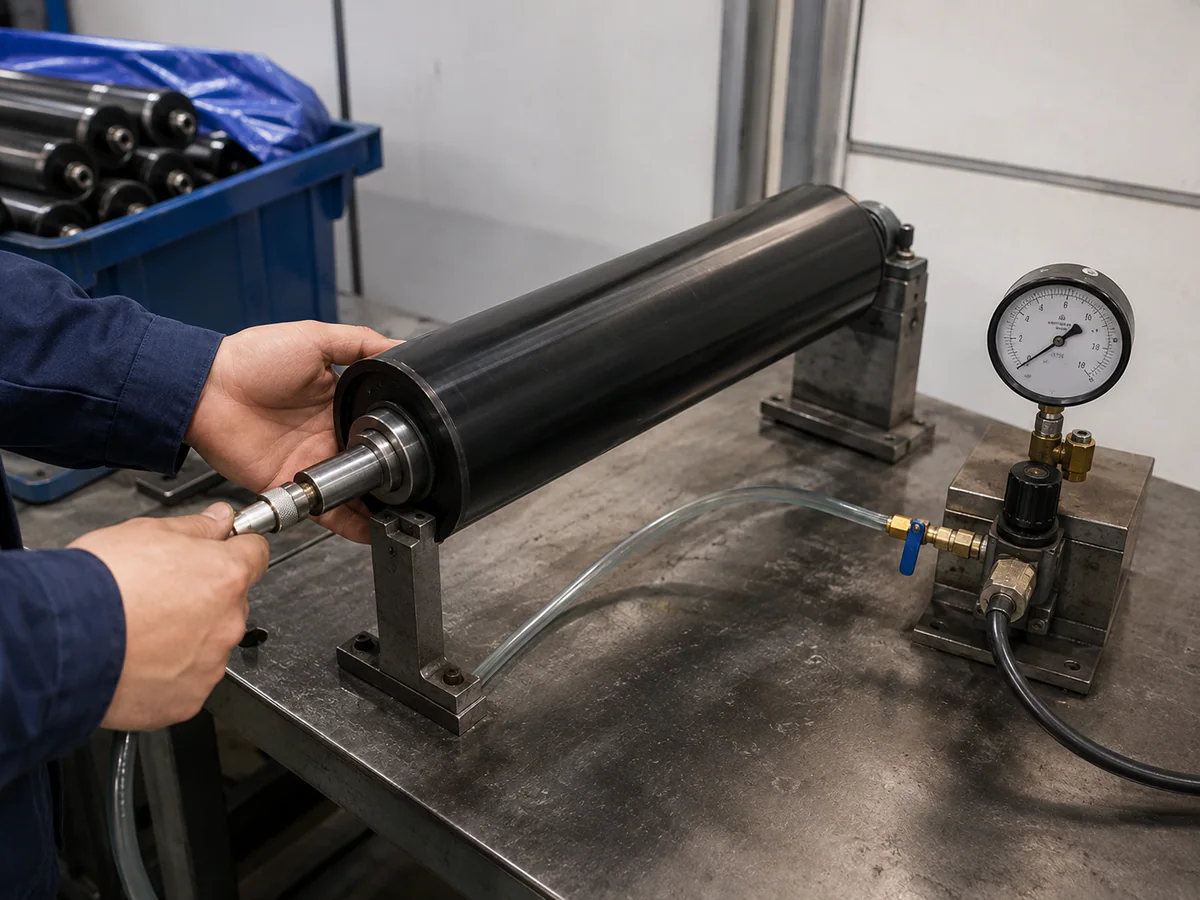
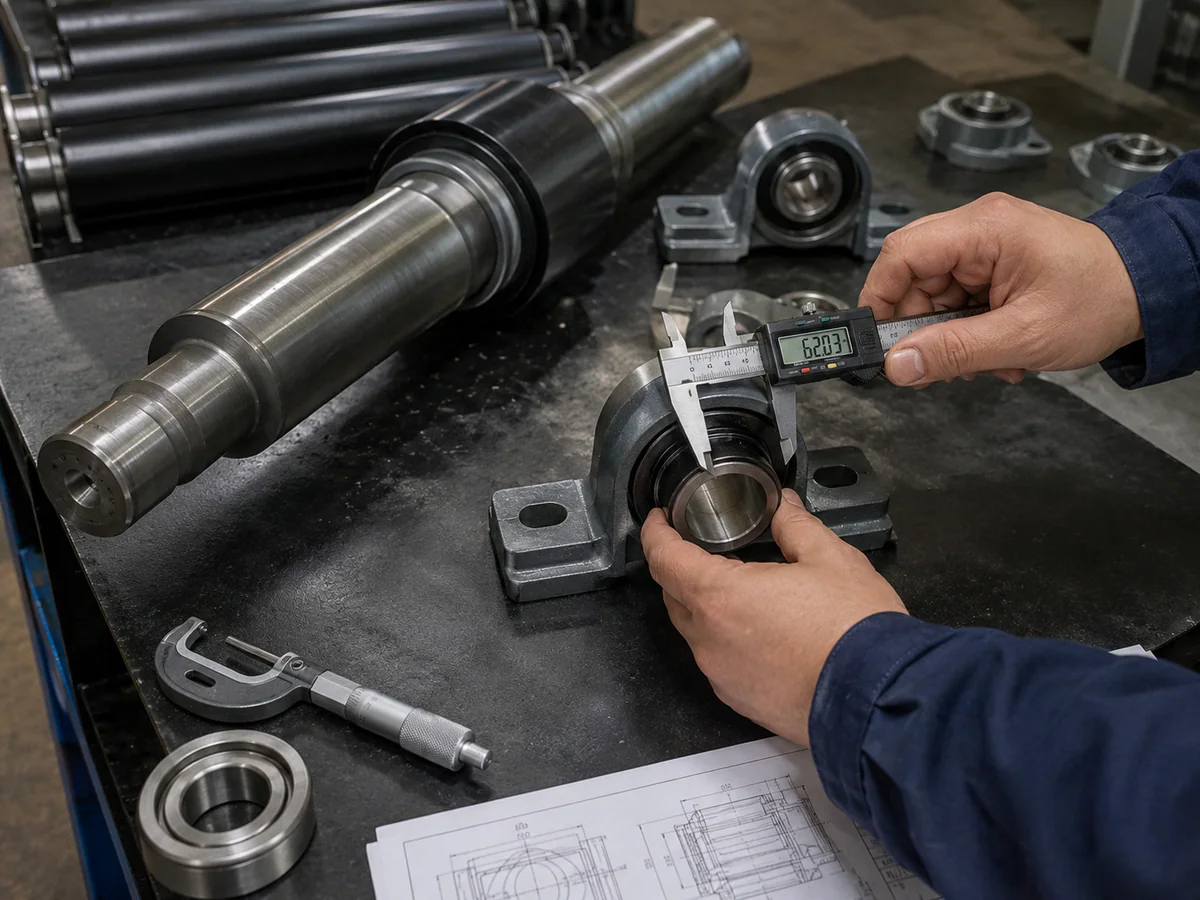
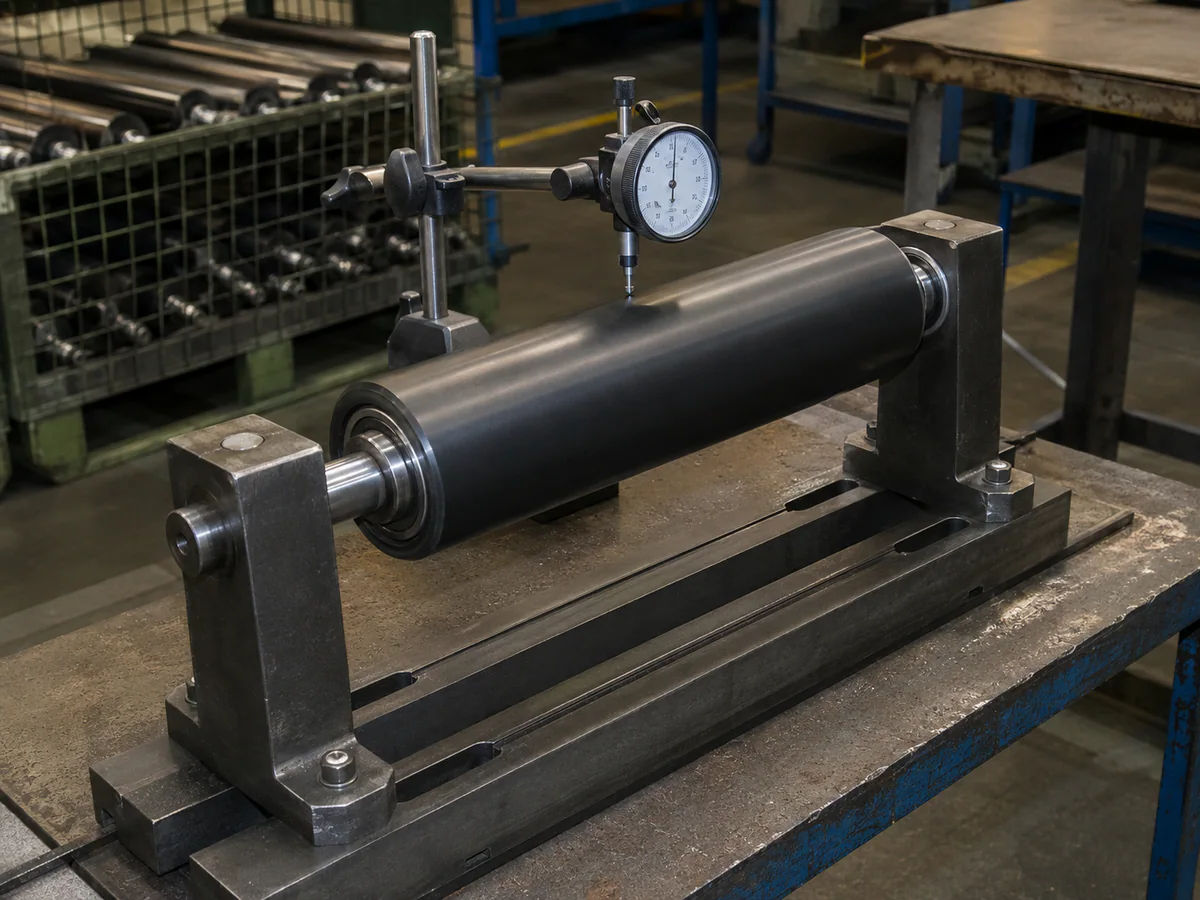
Plan the method and acceptance criteria for the roller being quoted.
Include the check only when the project defines the method and acceptance criteria.
Use where applicable and agreed for the product definition.
Check the dimensions and fits identified on the approved reference.
Record against project-specific criteria where the check is required.
If required, the buyer may arrange an inspector, nominate an inspection body or ask ROCKVANTA to coordinate with a suitable provider. Timing, scope and cost must be agreed before the order or shipment. Inspection, reinspection and report fees are buyer-paid.
ROCKVANTA owns and operates five specialized manufacturing bases. Our team reviews the drawing, component definition, material, production, inspection and project requirements, assigns the relevant base and coordinates any supporting work.
The bases have different process strengths. Production scope, capacity and timing are confirmed only after the RFQ has been reviewed.
How We Select a Manufacturing BaseReview the roller definition
Identify the relevant base
Coordinate production and supporting work
Confirm inspection and project scope
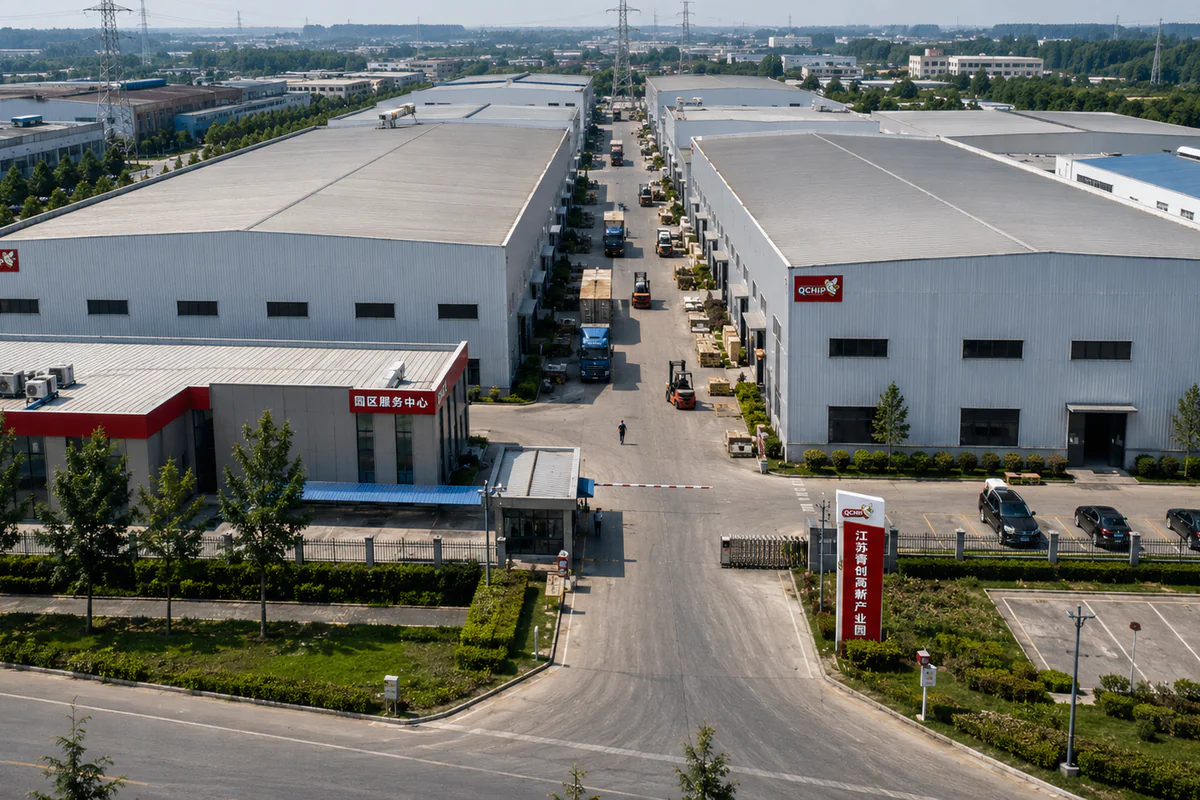
Lead time, MOQ, inspection scope, documentation and packing are confirmed for the specific RFQ.
ROCKVANTA Machinery — presented with EONBIRD GLOBAL LIMITED.