
Position
Drive, tail, bend or take-up
Conveyor pulleys & drums
For buyers comparing a conveyor pulley manufacturer, send the pulley position, belt width, drum diameter and face width, shaft and hub details, lagging requirement, drawing and quantity. ROCKVANTA reviews the required fabrication, machining and inspection before quotation.
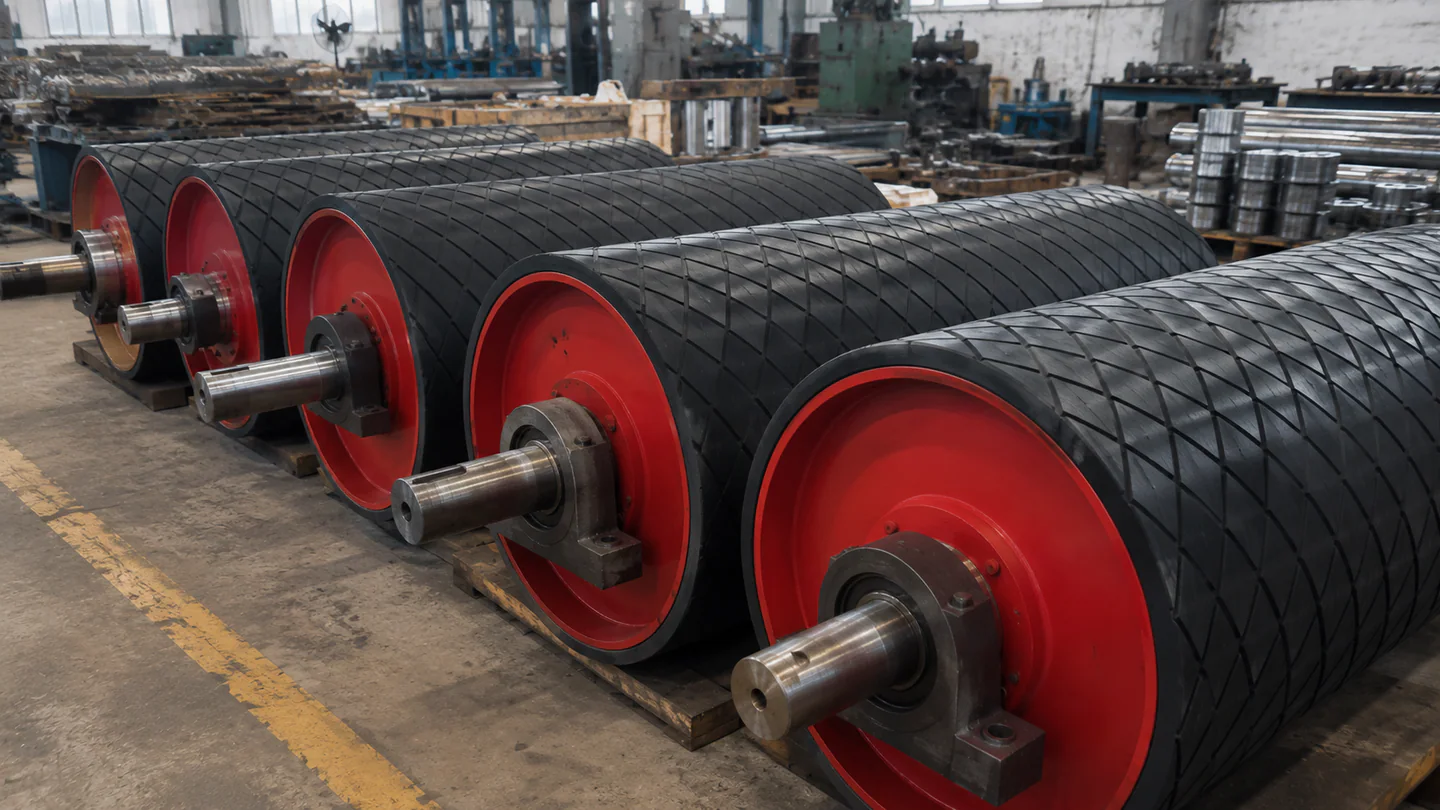
Drive, tail, bend or take-up
Shell, shaft, hub, keyway, bearings and drive connection
Bare steel, coating or rubber lagging when specified
State where the pulley sits in the conveyor and what it connects to. Add the current drawing, dimensions and interfaces so ROCKVANTA can review the complete build definition.
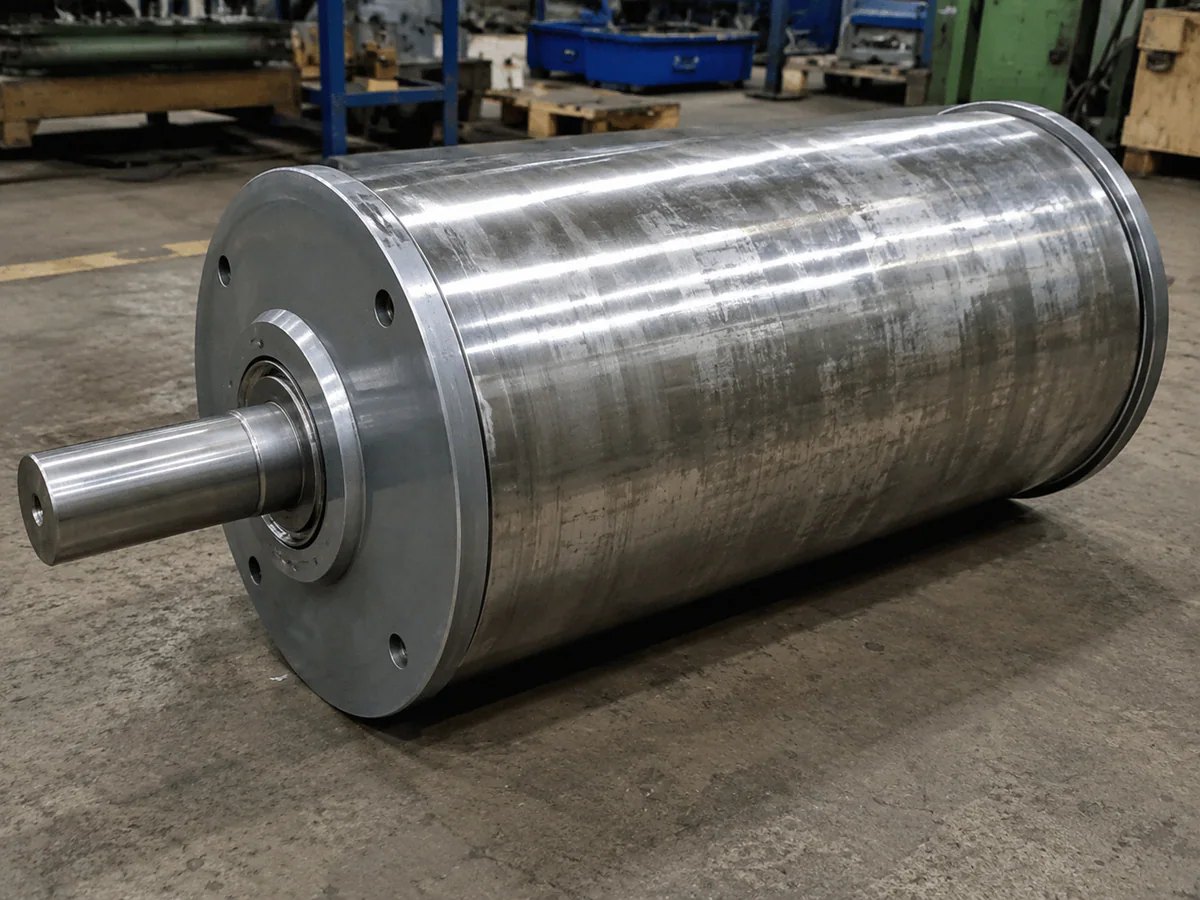
Identify the drive location, transmitted-load inputs available to the project, shaft and hub arrangement, drive connection, bearing interfaces and any lagging requirement.
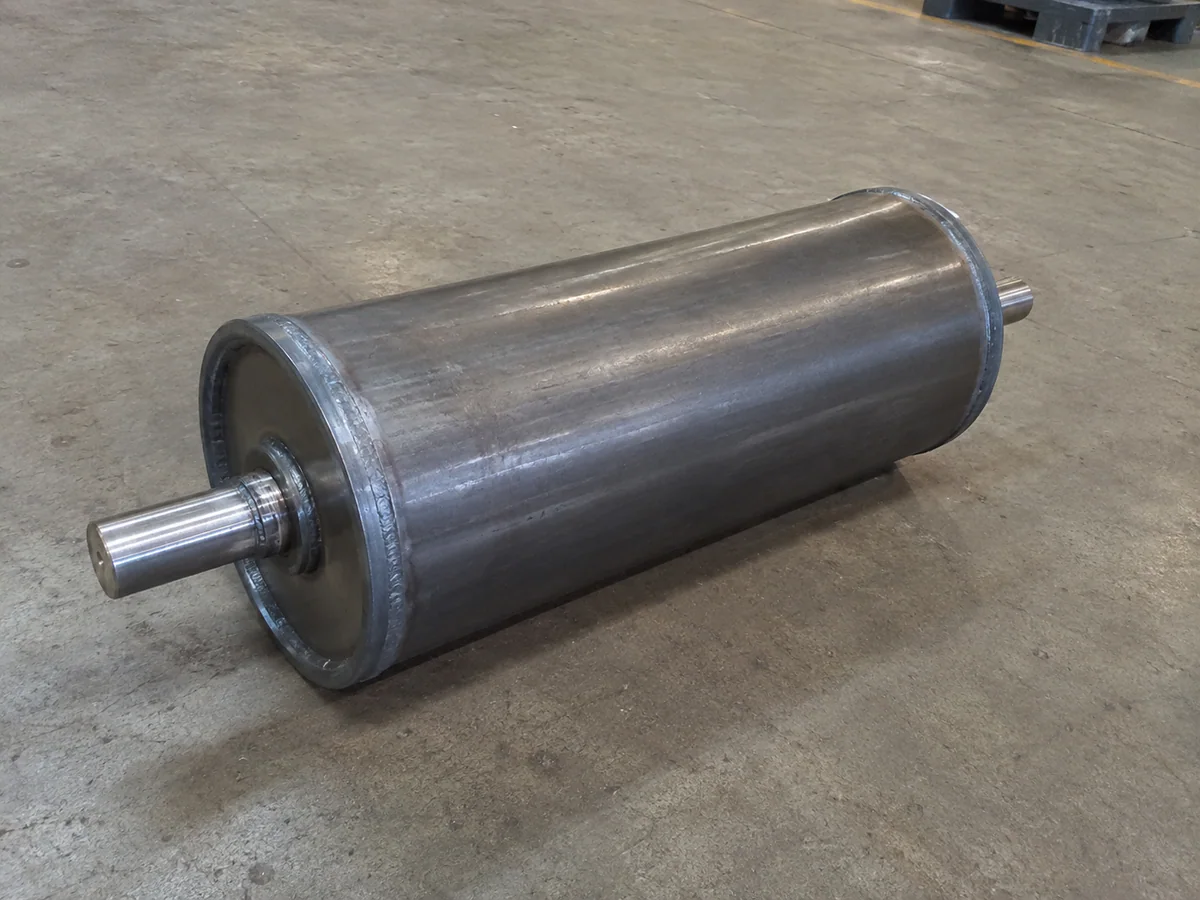
Define the tail position, belt and pulley dimensions, shaft ends, bearing arrangement, mounting envelope and required surface.
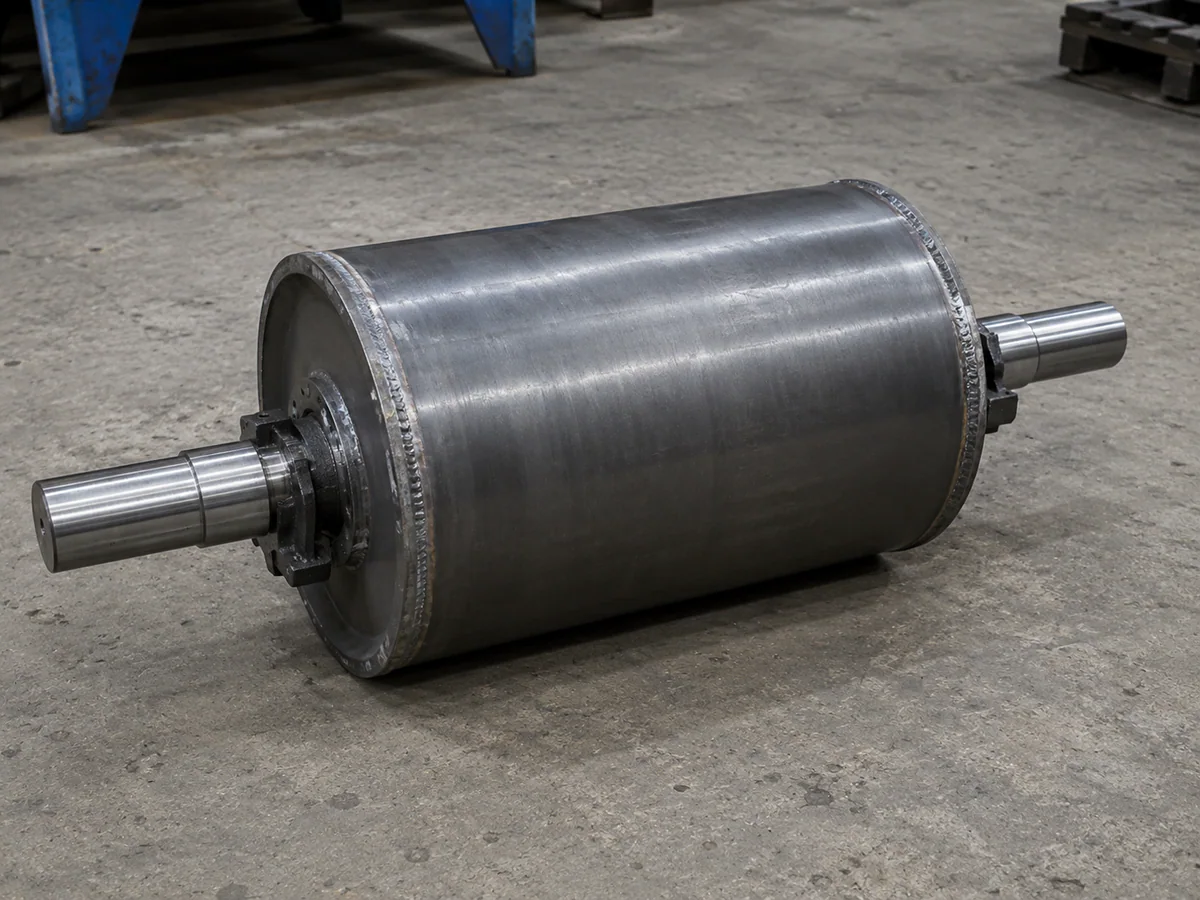
Show the belt path and the pulley position that changes its direction. Diameter, face width, shaft, bearings and mounting details still come from the project reference.
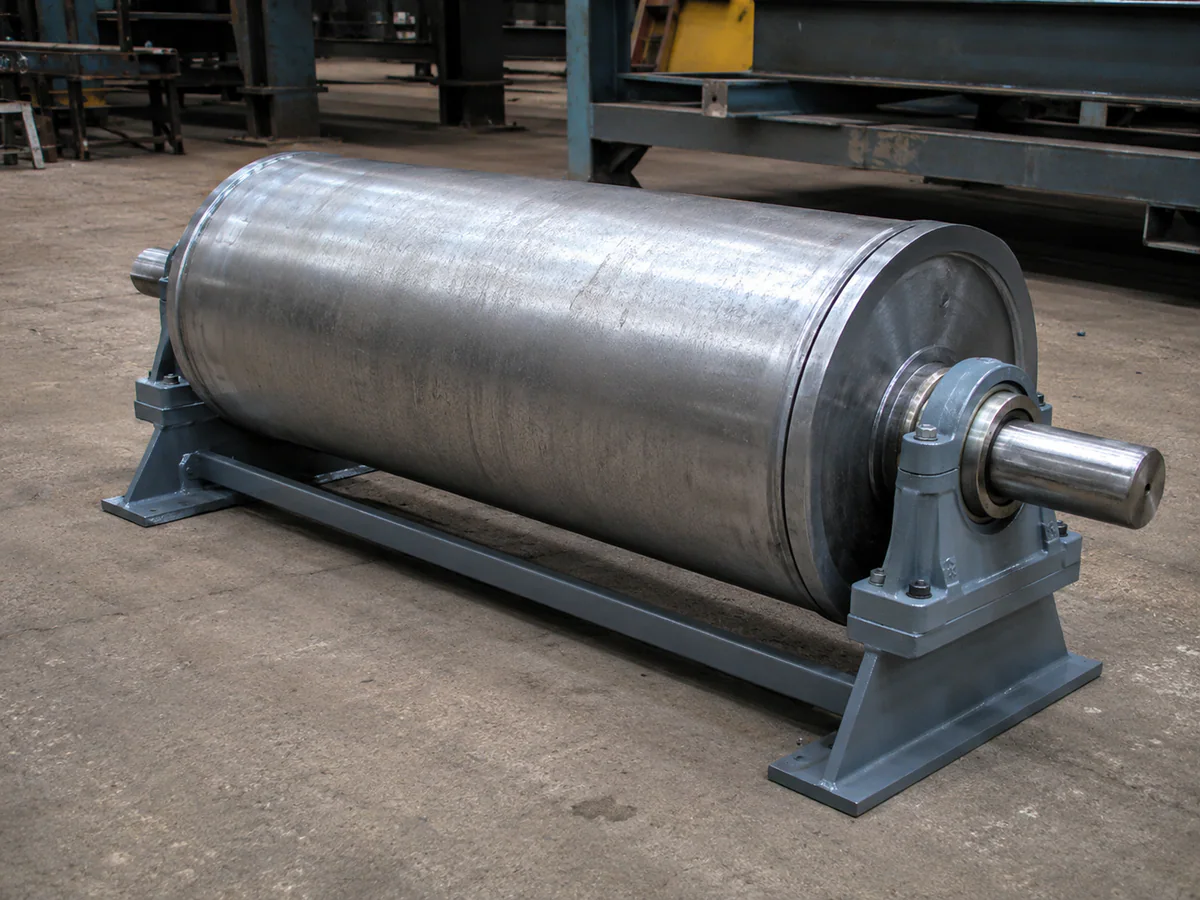
Provide the take-up arrangement, available travel or envelope, shaft and bearing interfaces, pulley dimensions and the connection to the tensioning system.
Rollers and idlers, frames and structures, powered equipment and specialty pulley constructions are reviewed as separate product categories. Send the drawing when the construction is not fully described by the position name.
Our pulley production covers drive and bend pulleys with locking-assembly or welded connections. Send the belt width, shaft drawing and operating loads so we can confirm the drum, shaft and connection details.
The same pulley position can be built around different shafts, hubs, end discs, bearings, drive connections and surfaces. A useful RFQ separates confirmed dimensions from open design points.
State where the pulley works and whether it drives, redirects or tensions the belt.
Provide the belt width, drum diameter, face width and any crown or shell requirement already defined.
Send the shaft drawing, hub or locking arrangement, end-disc definition and any weld requirements available.
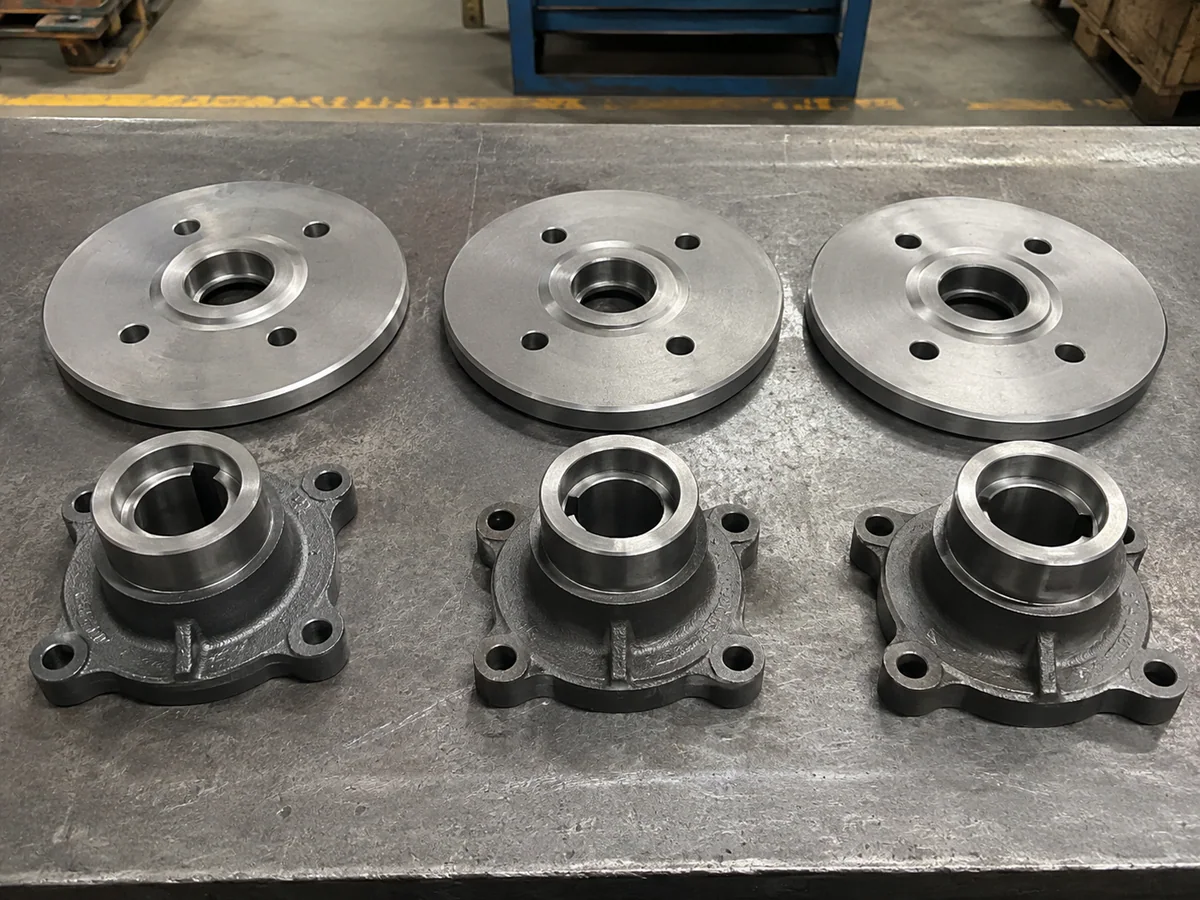
Identify couplings, keys, keyways, threads, retaining features, bearing references and mounting centres.
State whether the pulley is bare, coated or rubber-lagged, then provide the required compound, thickness, pattern and preparation where specified.
Separate qualification and production quantities and list the inspection, records, packing and destination requirements.
Define the finished assembly, including the shell, shaft, hubs or end discs, surface, lagging, bearing or mounting interfaces and the required delivery condition.
ROCKVANTA can review drawing-defined shells, shafts, hubs, end discs and related components as an individual supply scope when the interfaces and acceptance requirements are clear.
State which existing parts will be retained, which components are being replaced and which mating dimensions must be verified. ROCKVANTA will identify the components and work included in the quotation.
Use the drawing or project specification to define the rubber compound, thickness, groove pattern, bonding system, edge treatment and inspection method.
Pattern images show visual references. The drawing and project specification define the supplied configuration and required performance.
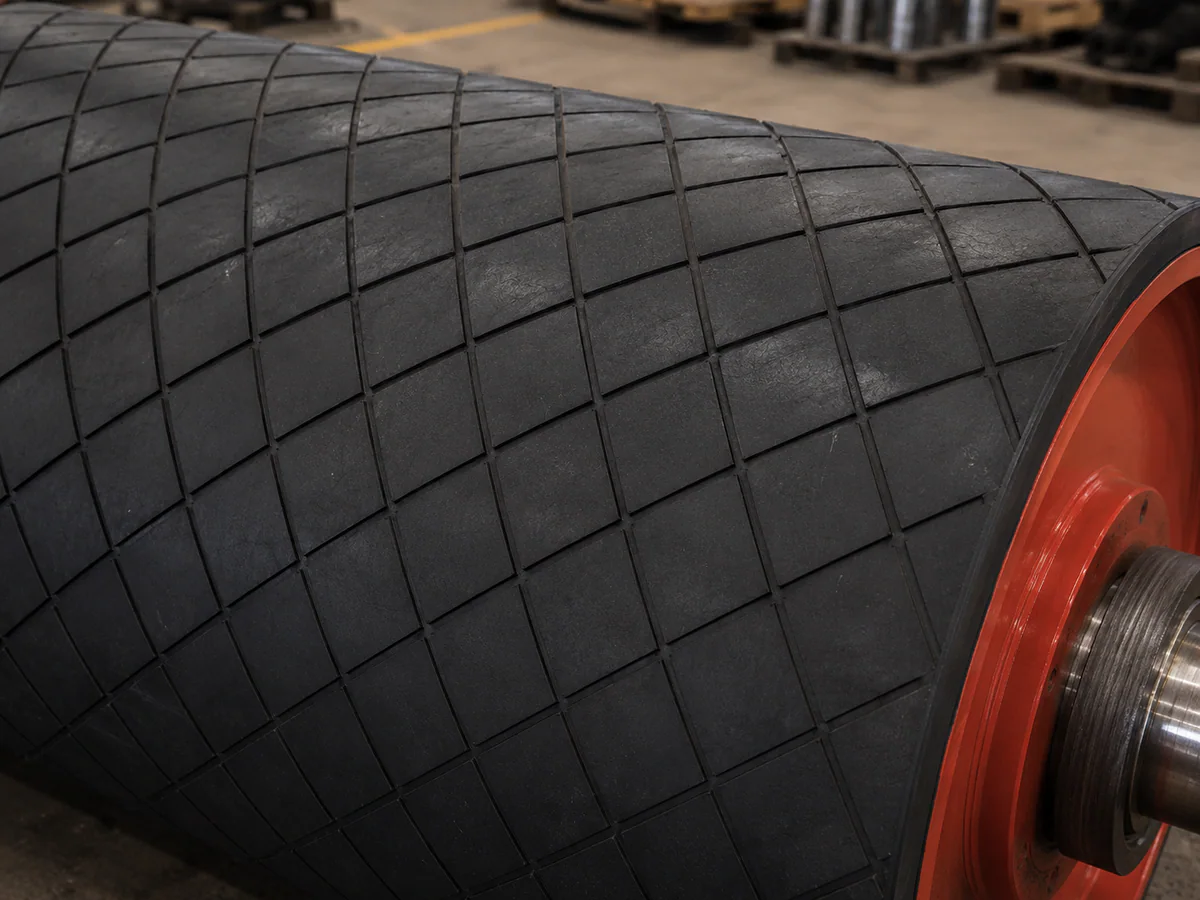
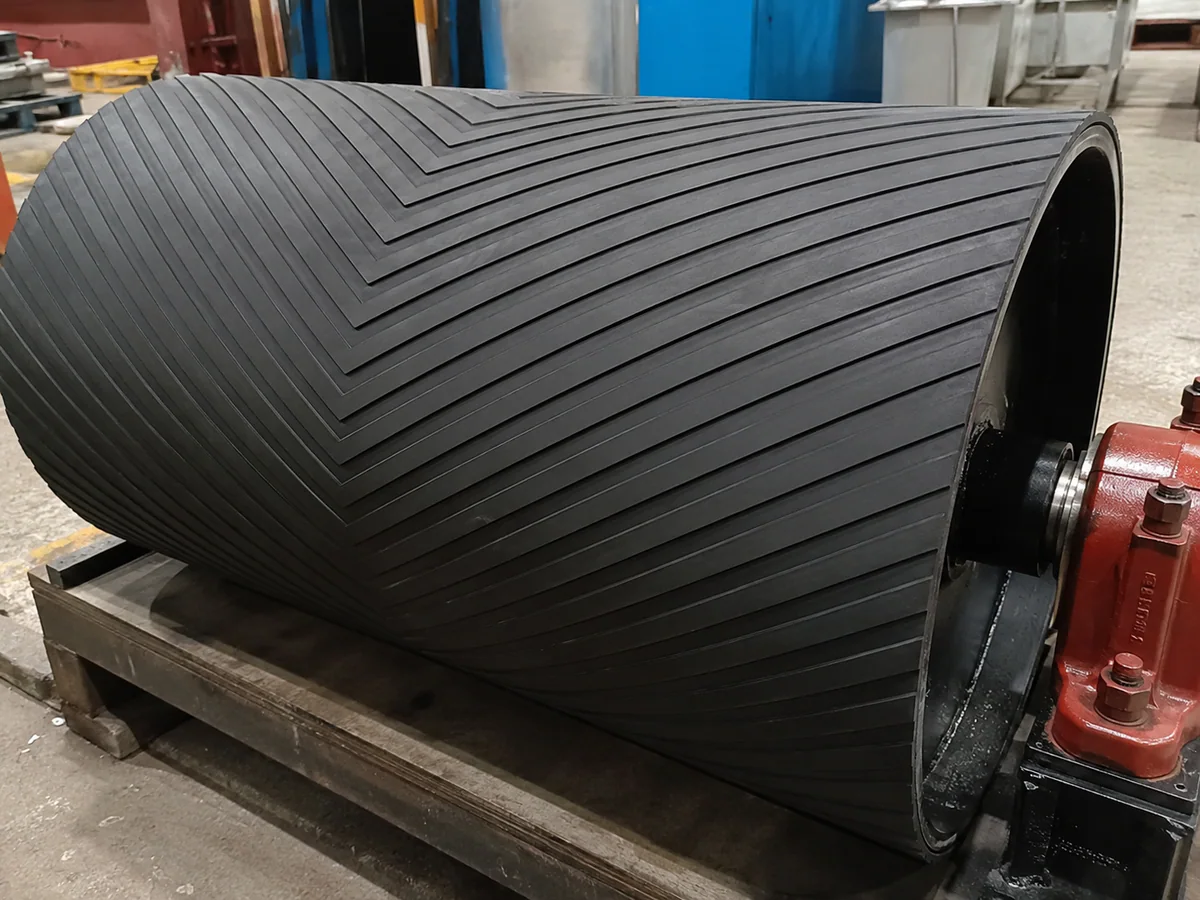
Production planning starts after the pulley definition is clear. Geometry, material, quantity, surface, lagging and inspection requirements determine the operations, sequence and manufacturing base required.
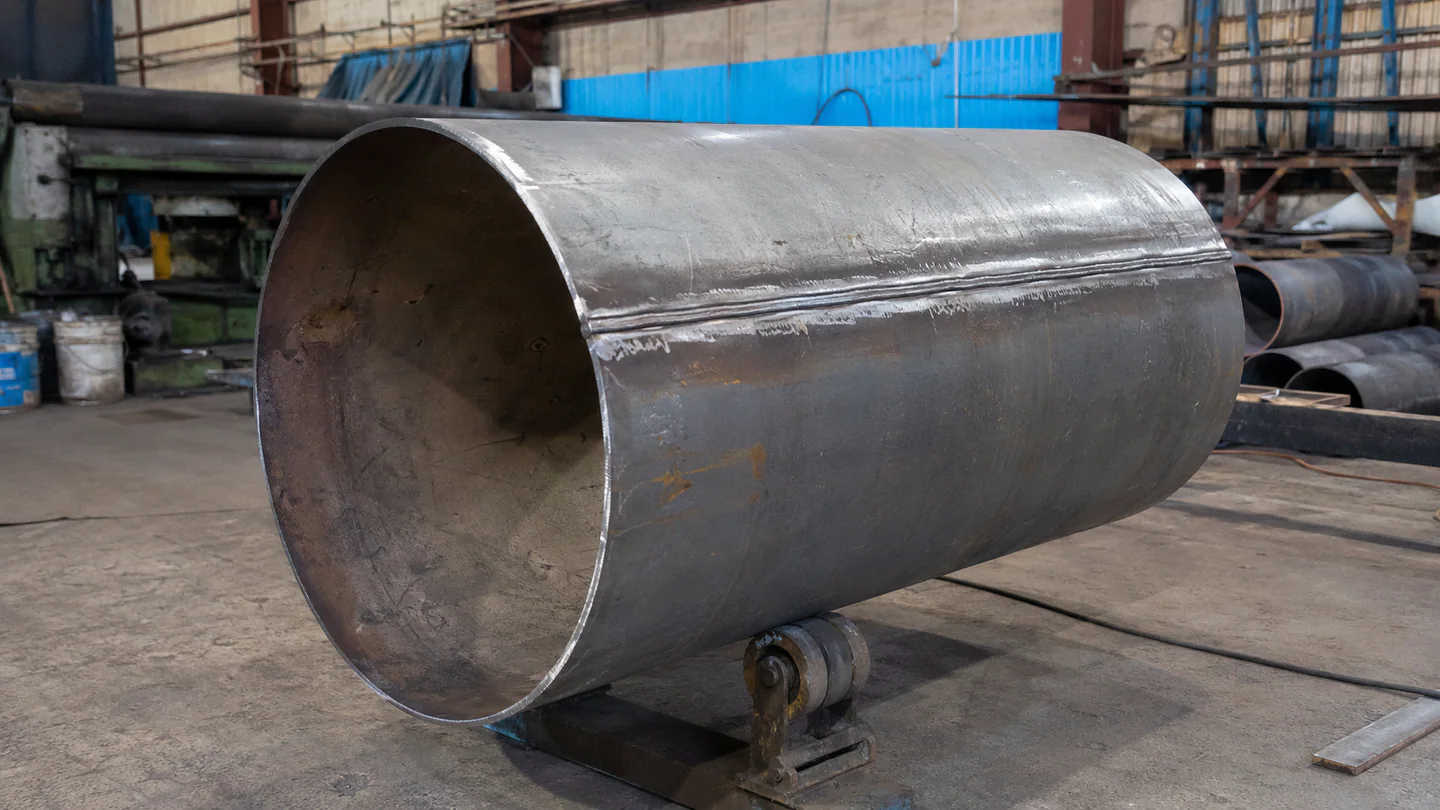
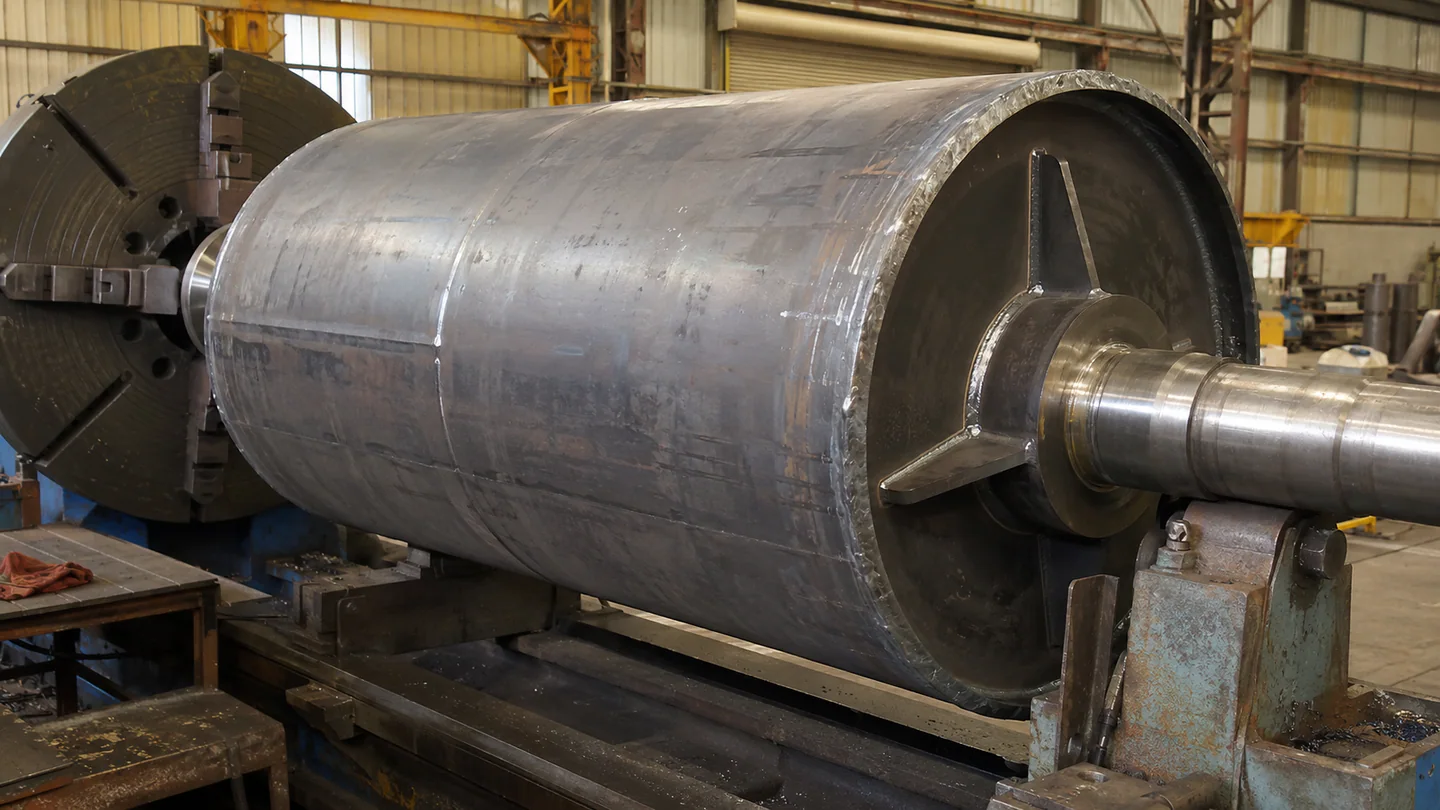
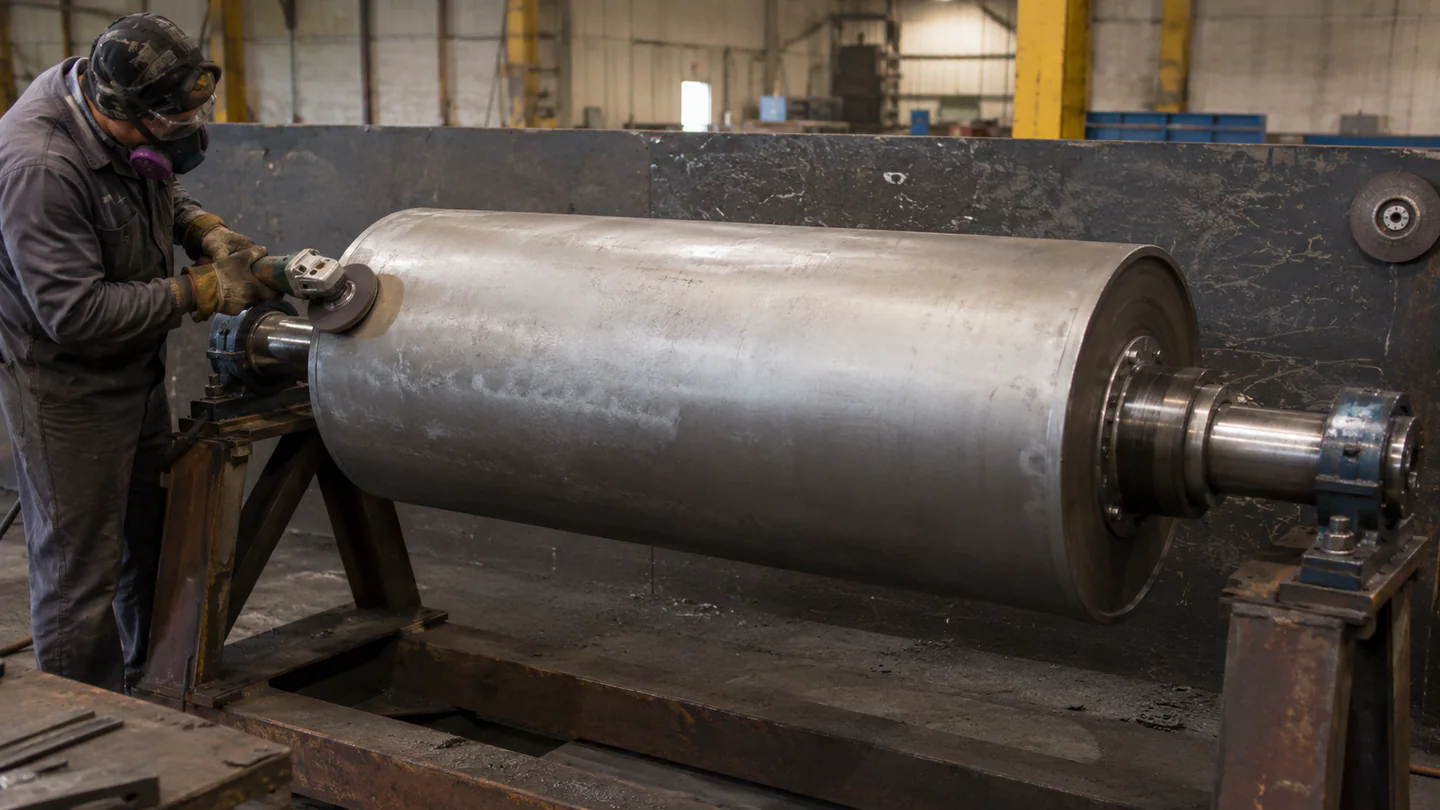
Resolve open interfaces, material notes, weld requirements, lagging and acceptance points.
Plan the relevant cutting, forming, fit-up and welding steps for the approved construction.
Machine the shaft, hub, keyway and other defined interfaces against the project reference.
Prepare the surface and apply coating or lagging only when included in the quoted scope.
Complete the agreed checks, records, protection and export packing for the order.
The quotation confirms the manufacturing equipment, sequence and hold points applicable to the specified pulley.
Inspection follows the drawing and quoted scope. Tell us which methods, records and hold points are required before production begins.
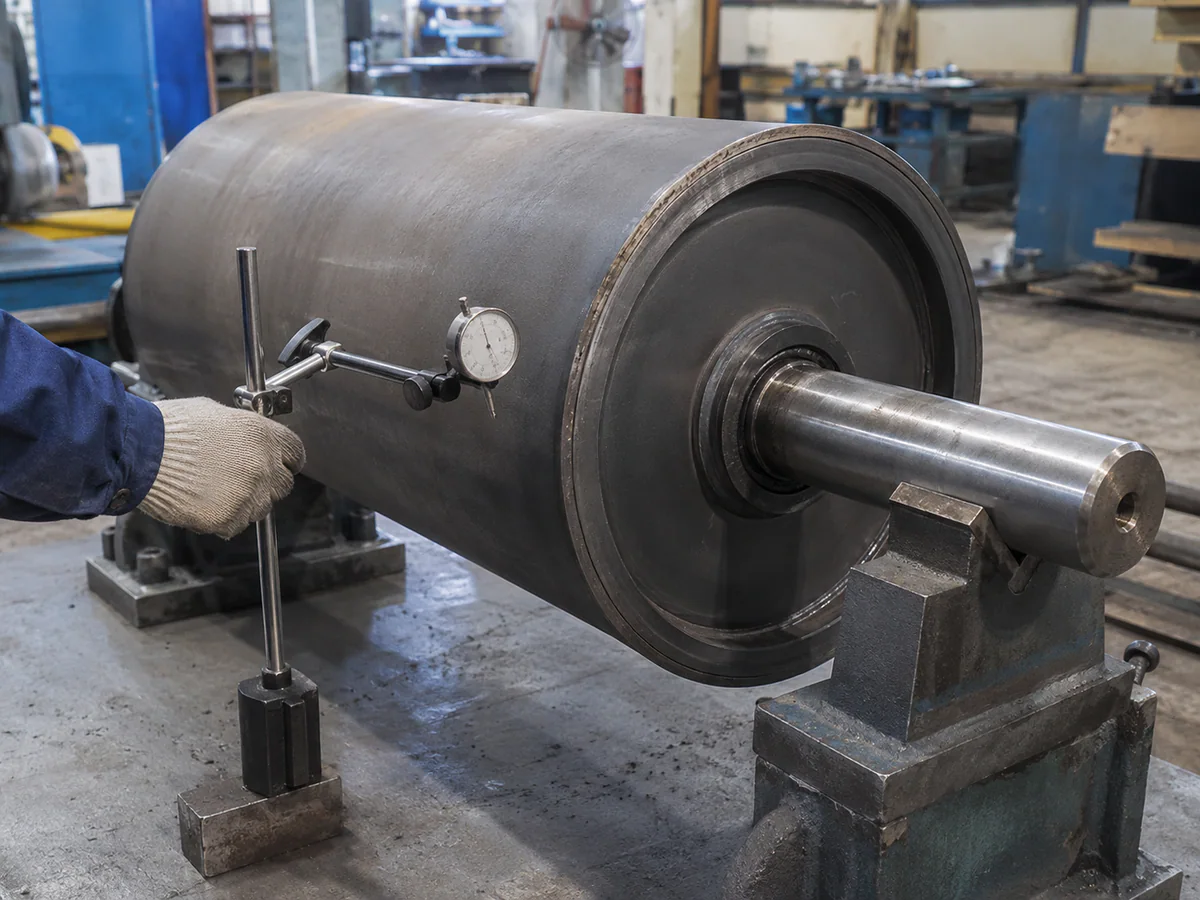
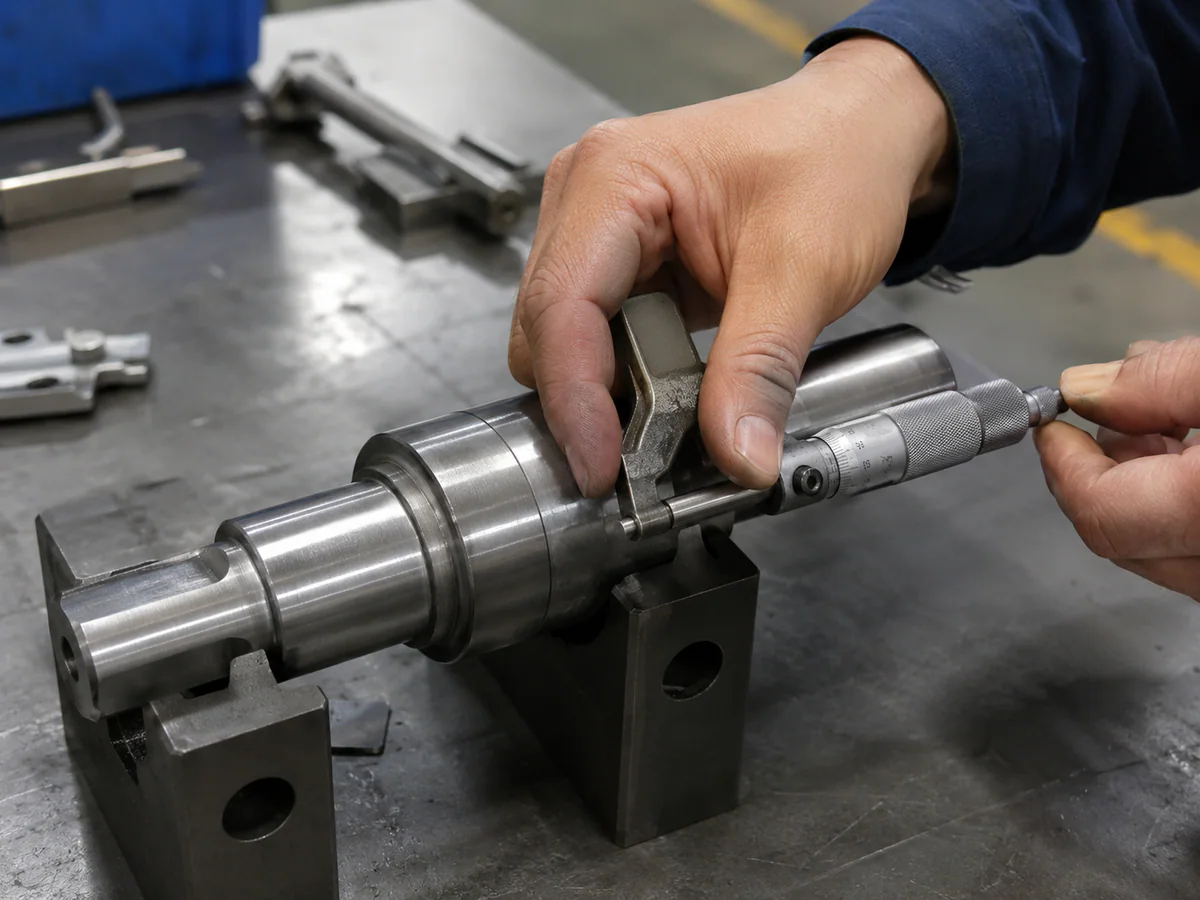
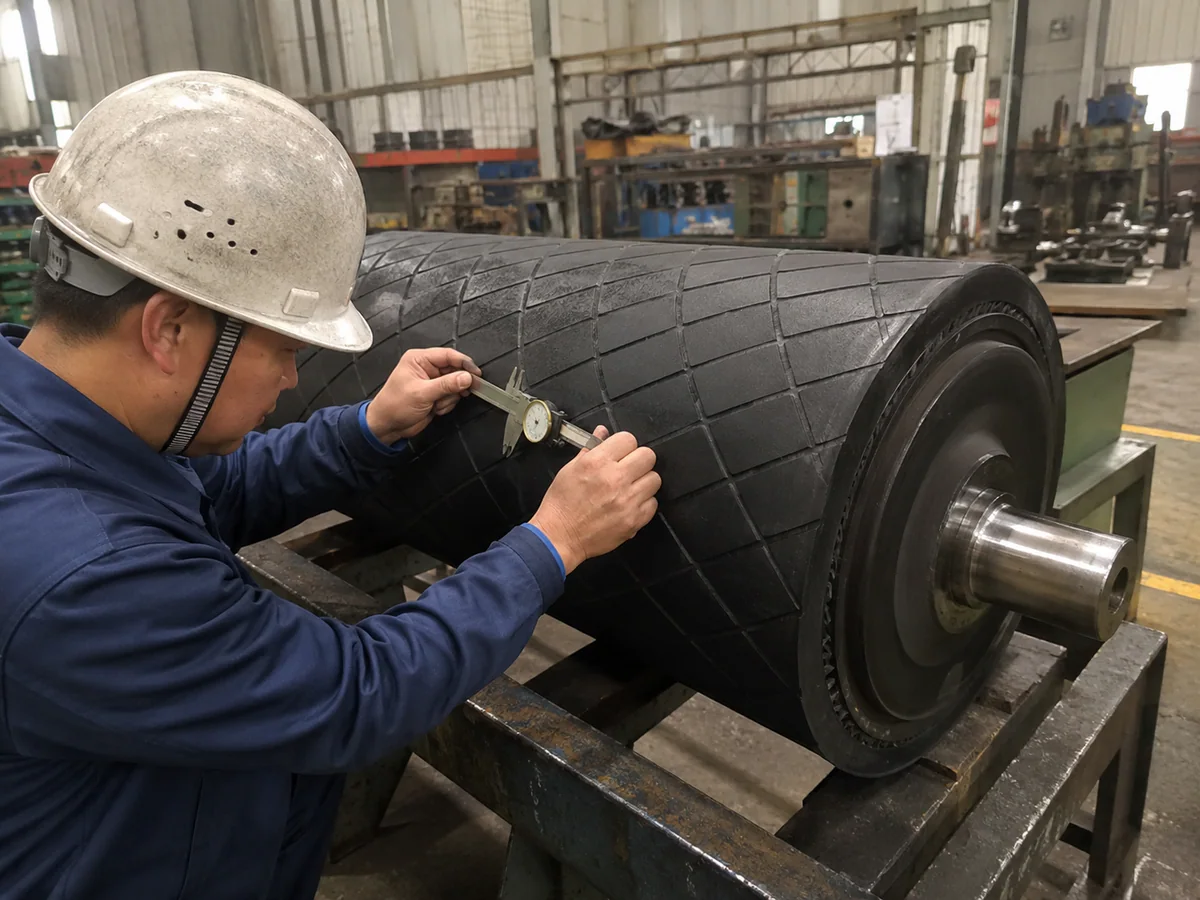
Check the critical dimensions identified for the assembly.
Verify the defined mating and drive features against the approved reference.
Include these checks where the project specifies a method and acceptance criteria.
Plan visual inspection, NDT or supporting records where applicable and requested.
Define the surface, pattern, thickness or bond-related checks required for the order.
If required, the buyer may arrange an inspector, nominate an inspection body or ask ROCKVANTA to coordinate with a suitable provider. Timing, scope and cost must be agreed before the order or shipment. Inspection, reinspection and report fees are buyer-paid.
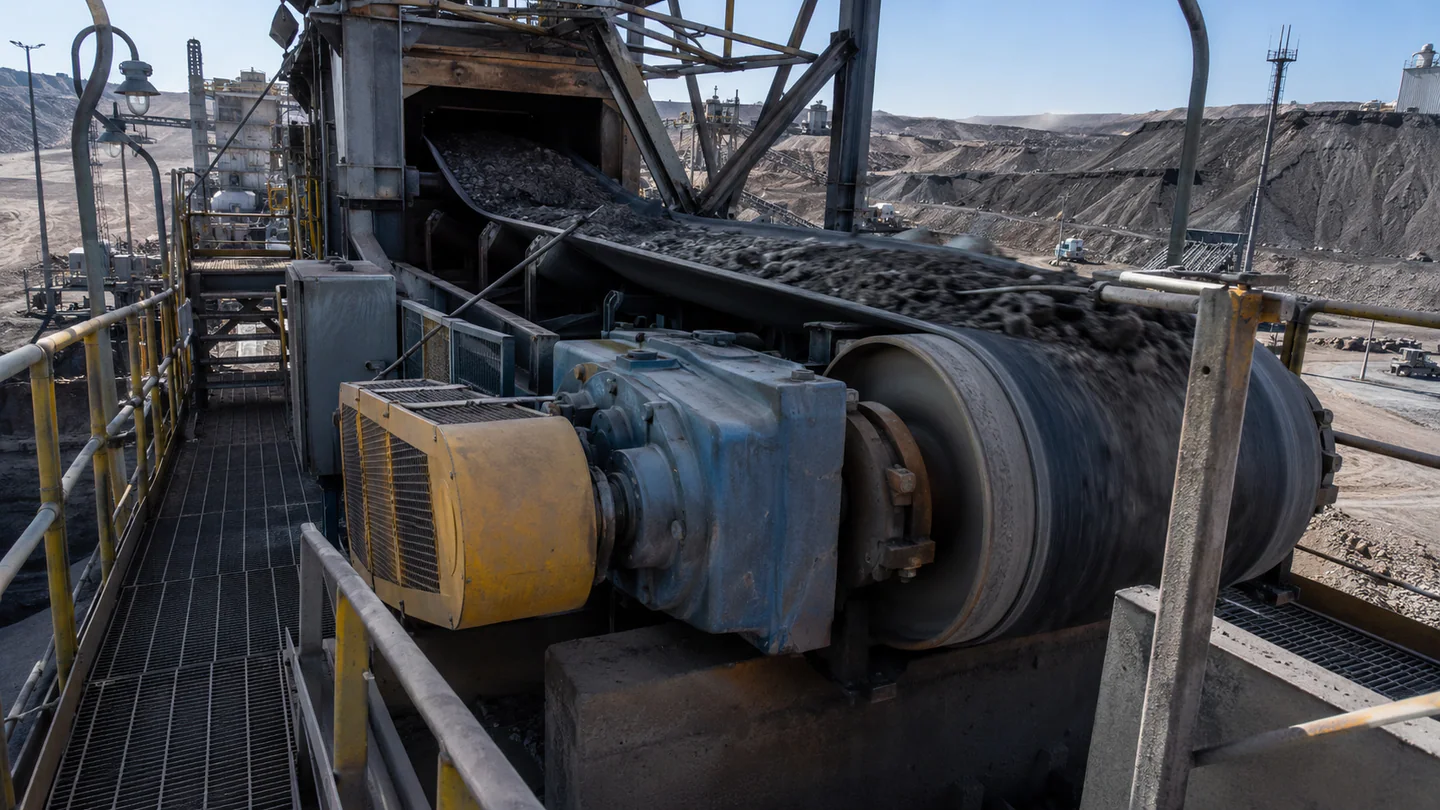
Use an application photograph to show the pulley position and surrounding interfaces. Add the drawing, equipment reference, transmitted-load inputs, shaft and bearing details, alignment, belt condition, lagging specification and the dimensions that control installation.
ROCKVANTA owns and operates five specialized manufacturing bases. Our team reviews the pulley drawing, material, fabrication, machining, surface and inspection requirements, assigns the relevant base and coordinates any supporting work.
Production scope, available capacity and timing are confirmed for the specific RFQ.
How We Select a Manufacturing Base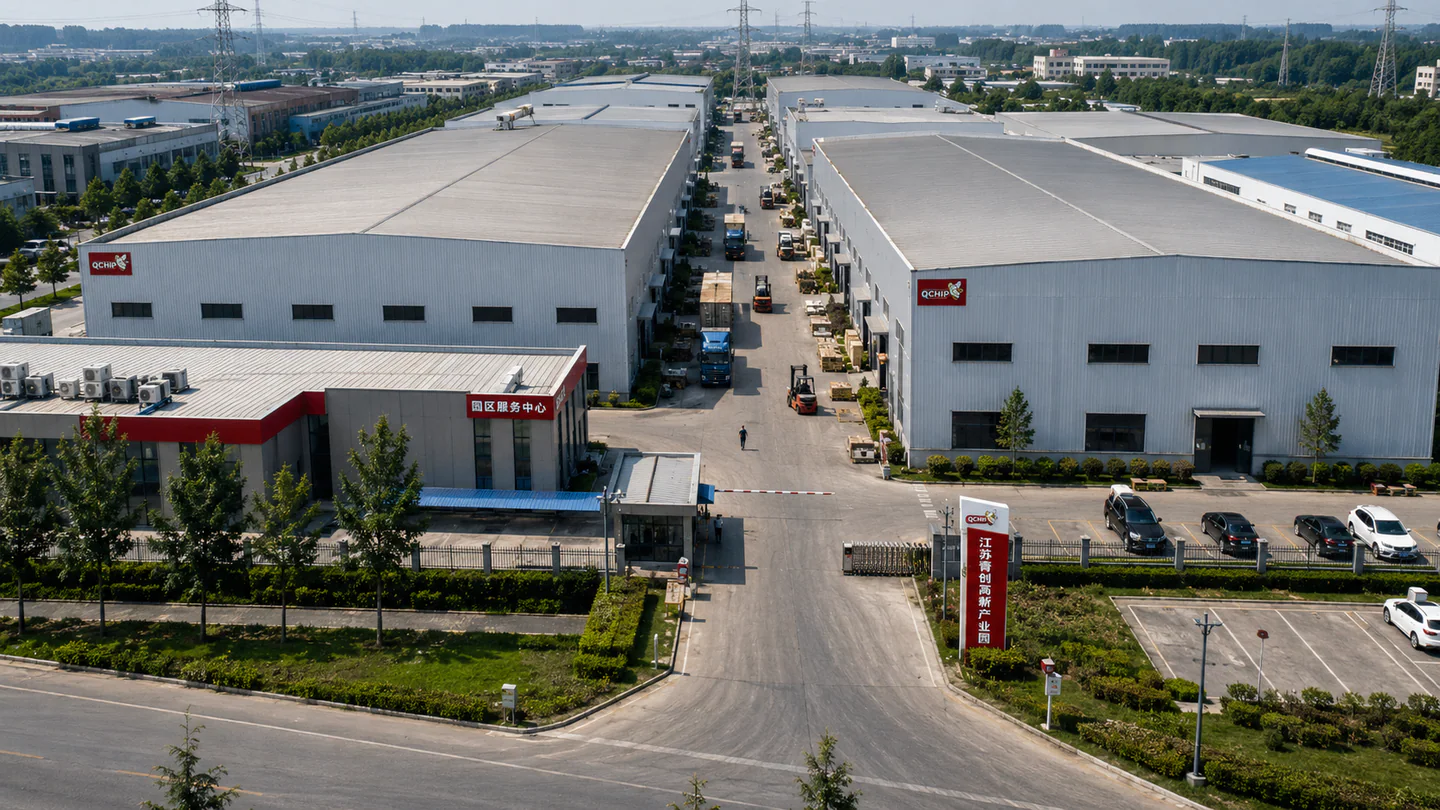
Review the pulley definition
Assign the relevant base
Coordinate production and supporting work
Confirm inspection, packing and project scope
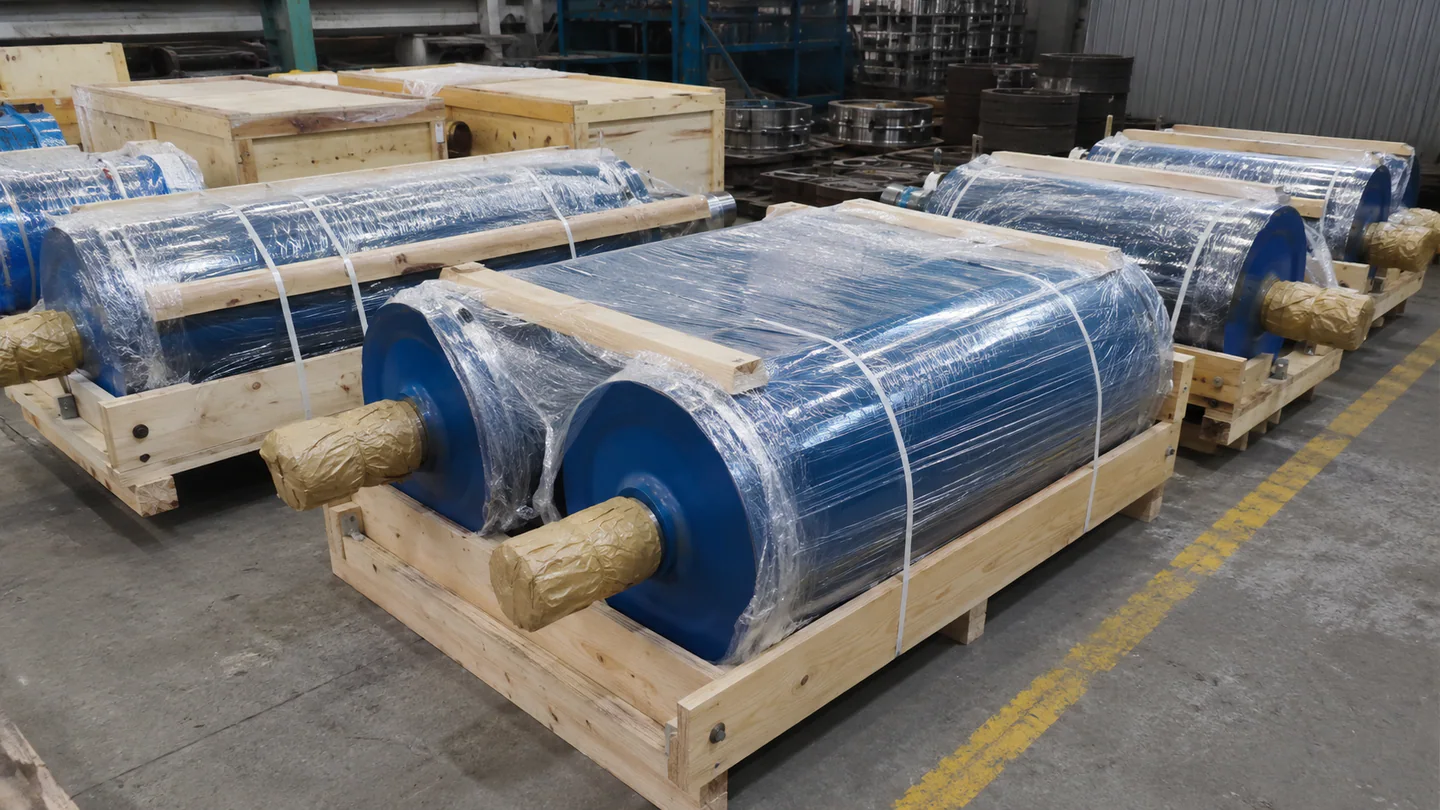
Lead time, MOQ, inspection scope, documentation and packing are confirmed for the specific RFQ.
Conveyor pulley lagging selection guide →
ROCKVANTA Machinery — presented with EONBIRD GLOBAL LIMITED.